NCOER And OER Differences Army Personnel Should Know
Army performance evaluations document a service member’s duty performance, leadership, potential, and professional development. The two reports can look similar because both use a formal rating chain and contribute to career decisions, but they serve different populations and evaluate different leadership expectations.
An NCOER is designed for noncommissioned officers, while an OER is used for commissioned officers and warrant officers. Understanding the distinction helps Soldiers prepare for counseling sessions, review their records, and identify errors before an evaluation affects assignments, promotions, or selection boards.
These reports are administrative records rather than personal awards. They should reflect observed performance during a defined rating period, supported by counseling, duty accomplishments, and the rating officials’ assessments. General guidance from Army administrative guides can provide useful background, but official regulations, current forms, and unit procedures remain the controlling sources.
Who Receives Each Evaluation
NCOERs generally apply to noncommissioned officers in the ranks covered by the Army’s NCO evaluation system. The report focuses on how an NCO performs assigned duties, leads Soldiers, develops others, and contributes to the organization. The assessment should match the NCO’s grade, position, responsibilities, and opportunities during the rating period.
OERs apply to commissioned officers and warrant officers. An officer’s evaluation considers performance in the assigned role, leadership, character, intellect, presence, and potential for greater responsibility. The report also places the officer’s achievements in the context of the position and the expectations associated with the officer’s grade.
The distinction is therefore based primarily on status and evaluation framework, not simply on whether the person supervises others. A staff sergeant and a captain may both lead a team, but their reports use different forms, competencies, and career-development language.
Forms And Evaluation Focus
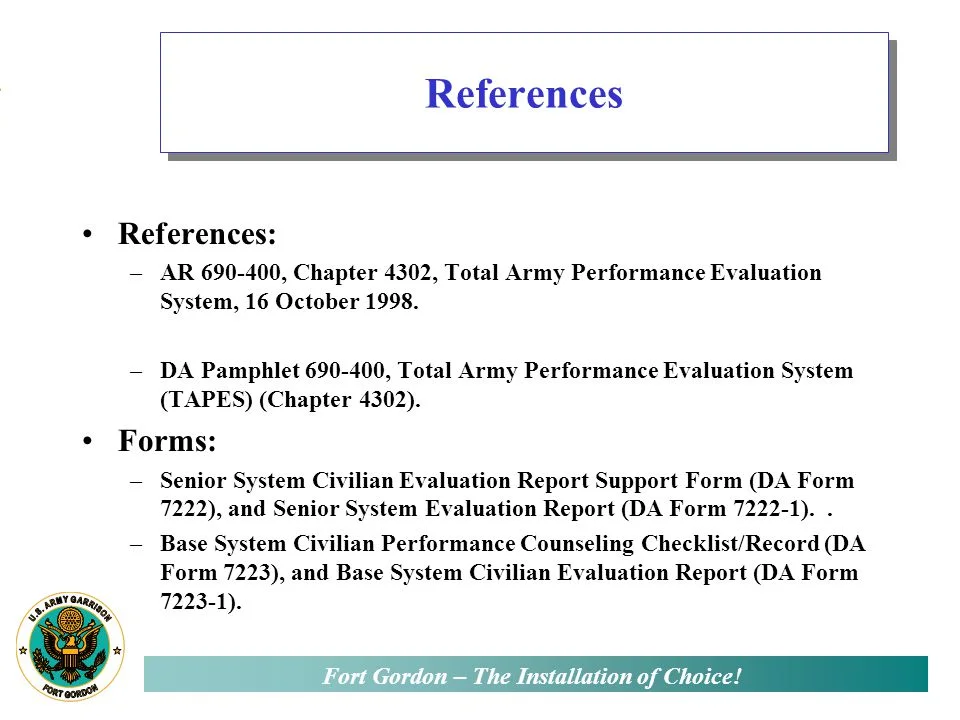
The NCOER uses the DA Form 2166-9 series. Its structure includes duty description, performance goals, counseling information, attributes and competencies, overall performance, and potential. The exact form version and supporting documents can depend on the Soldier’s grade and current Army policy.
The OER uses the DA Form 67-10 series. It addresses the officer’s character, intellect, leadership, development of others, and achievement, along with performance and potential assessments. The narrative should explain what the officer accomplished, how effectively the officer led, and what future responsibilities may be appropriate.
Both systems rely on specific, supportable evidence. Strong comments usually identify the action, the result, and the effect on the unit or mission. General praise without measurable context is less useful than a concise description of improved readiness, successful training, operational performance, or development of subordinates.
Rating Chains And Senior Assessments
An NCOER commonly includes a rater, senior rater, and supplementary reviewer when required. The rater observes day-to-day performance and provides the closest assessment of how the NCO executed duties. The senior rater evaluates broader potential and future service prospects within the applicable rules.
An OER also uses a formal rating chain, with a rater and senior rater and, when applicable, an intermediate rater or supplementary reviewer. The officer’s rating chain must meet eligibility and supervision requirements. A rating official should normally have sufficient observation, responsibility, and authority to make a credible evaluation.
The senior-rater portion is especially important for officers because profile management and comparative assessments affect how an OER is interpreted. An NCOER does not use the officer OER senior-rater profile in the same way. Soldiers should therefore avoid assuming that procedures for officer evaluations automatically apply to NCO evaluations.
Career Effects And Record Accuracy
Both reports can influence promotions, assignments, schooling, retention, and selection-board decisions. An OER may be reviewed through an officer’s career progression and senior-rater history, while an NCOER forms part of an NCO’s performance record and can affect centralized or decentralized personnel actions.
The report should be reviewed carefully for administrative accuracy, including name, rank, duty position, organization, rating period, and rating officials. Substantive comments should also be checked for factual errors, unsupported claims, omitted achievements, or language that does not match the person’s actual responsibilities.
A missing or improperly filed evaluation can create problems even when the original report was completed correctly. Guidance on a missing NCOER record can help explain practical record-checking steps, although personnel offices and official Army systems should be used for authoritative corrections.
Key Differences At A Glance
The similarities between the reports can make them easy to confuse. This comparison highlights the primary differences while recognizing that current regulations and form instructions control specific cases.
| Area |
NCOER |
OER |
| Intended population |
Noncommissioned officers |
Commissioned officers and warrant officers |
| Main form family |
DA Form 2166-9 series |
DA Form 67-10 series |
| Core emphasis |
NCO attributes, competencies, performance, and potential |
Officer character, intellect, leadership, development, achievement, performance, and potential |
| Senior-rater context |
Assesses performance and potential under the NCO evaluation framework |
Includes officer senior-rater assessment and applicable profile considerations |
| Common career use |
NCO promotions, assignments, development, and selection actions |
Officer promotions, command or key assignments, schooling, and selection actions |
| Supporting process |
Counseling, performance goals, duty description, and rating-chain review |
Counseling, support form, duty description, and rating-chain review |
Counseling, Appeals, And Common Errors
Counseling is a central part of both evaluation systems. Initial and periodic counseling help establish expectations, identify objectives, and create a record of performance discussions. Counseling does not guarantee a favorable report, but it gives the Soldier and rating officials a clearer basis for evaluating progress.
A disagreement with an evaluation does not automatically make the report invalid. Appeals generally require evidence that the report contains a material error, injustice, or inaccurate information, and the appropriate process depends on the type of report and the applicable regulation. A Soldier should preserve supporting documents, counseling records, award citations, duty products, and statements from individuals with firsthand knowledge.
Common problems include late counseling, vague bullets, inconsistent rating-chain information, inflated claims, and attempts to compare an NCOER directly with an OER. Another mistake is waiting until a promotion board is approaching to discover that a completed evaluation is absent from the official record.
Practical Review Steps
Use a consistent review process before signing or filing an evaluation:
- Confirm the rating period, duty title, rank, organization, and rating officials.
- Compare the duty description and accomplishments with counseling records and assigned responsibilities.
- Check that performance comments are specific, accurate, and supported by results.
- Review the potential assessment separately from the performance assessment.
- Verify that the completed report appears in the appropriate official personnel record.
An evaluation signature generally acknowledges review rather than agreement with every statement. If a Soldier believes the report is inaccurate, the person should use the available comment, rebuttal, inquiry, or appeal procedures instead of altering the document informally.
Know which evaluation applies to your status, read the current form instructions, and review every report before it enters your permanent record. Early attention to rating-chain issues, factual accuracy, and filing errors can protect the value of an NCOER or OER throughout an Army career.