Using ACT to Check Sergeant Promotion Point Status
The Army Career Tracker (ACT) can help Soldiers review career information connected with progression to Sergeant. It is useful for checking training, assignments, goals and selected qualifications, but it should not be treated as the final authority for a promotion point total.
For an accurate status, compare ACT with the official promotion documents and personnel systems used by your unit. This is especially important for Australian-based readers supporting U.S. Army personnel, because Australian Defence Force processes, ranks and promotion rules operate under a different framework.
What ACT Shows
ACT brings career information into one place so Soldiers can see how their experience aligns with an Army career path. Depending on the account and data available, this may include military education, civilian education, assignments, certifications, individual development goals and career milestones.
The system can highlight information that may support promotion eligibility, but it does not automatically guarantee that every item has been accepted for promotion points. A completed course might appear in ACT while still requiring verification in another personnel record.
Getting Into ACT
Access generally requires an authorised Army account and the appropriate sign-in method. Use an approved device and current Army authentication instructions rather than relying on an old bookmark or a saved login on a shared computer.
Australian users may be working from Sydney, Brisbane or Melbourne while coordinating with a U.S. unit several time zones away. Check messages and system maintenance notices against the relevant U.S. time zone, and allow extra time when a deadline falls near an Australian public holiday or outside normal local working hours.
Check Career And Training Data
After signing in, review the sections covering military education, civilian education, credentials, assignments and career objectives. Look for incomplete entries, duplicated courses, incorrect dates and qualifications that have not been linked to the right record.
ACT can be particularly useful as a personal audit tool. A Soldier preparing for Sergeant should compare the displayed information with course certificates, transcripts, award documents and the latest promotion point worksheet. Keep clear copies in a secure location rather than relying on a screenshot alone.
Understand Promotion Points
Promotion points are calculated from authorised categories and current Army rules. Depending on the promotion system and Soldier status, relevant areas may include military training, civilian education, awards, physical fitness, weapons qualification and other approved achievements.
ACT may help identify career development gaps, but it is not necessarily the system that determines the final Sergeant promotion standing. Check the official worksheet or personnel record supplied through the chain of command, S1 section or current Army personnel platform. If ACT and the official record disagree, the discrepancy needs to be investigated rather than averaged or guessed.
Compare Supporting Records
Use ACT alongside the records that substantiate each claimed achievement. Training dates should match certificates, college credits should match accepted transcripts, and awards should appear in the personnel file in the correct format. A qualification shown in a profile may still be unusable if its documentation is missing or expired.
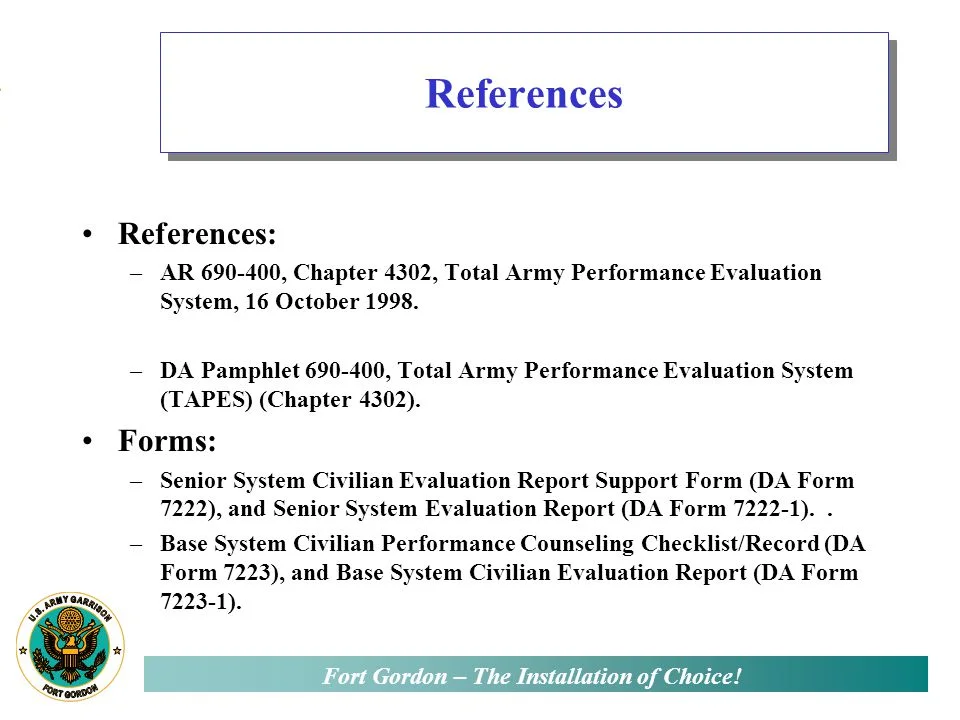
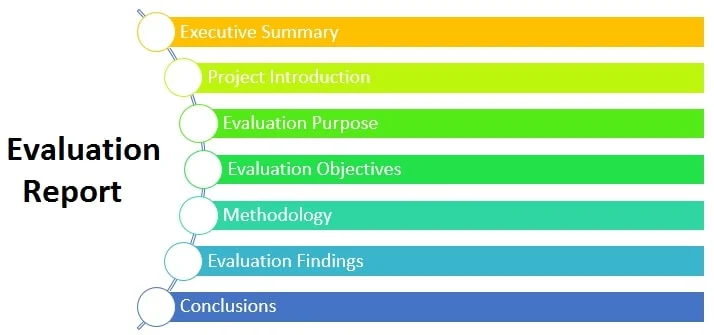
Evaluation reports also matter to a Soldier’s broader career record. Before sending a report for processing, review guidance on how to submit an evaluation and confirm that signatures, dates and routing details are correct. EES Army is an informational resource, not an official Army portal, so unit instructions and current Army policy take priority.
Fix Missing Or Incorrect Data
When a record is wrong, capture the specific problem: the item name, completion date, document reference and the system where the error appears. This gives the S1 or personnel administrator enough detail to trace the source instead of receiving a general request to “update ACT.”
Do not upload sensitive personal information to unapproved websites or send identity documents through ordinary personal email. Australian readers should also remember that the Privacy Act 1988 governs many Australian organisations handling personal information, while U.S. Army systems follow their own access, privacy and records rules. Secure handling remains important when copies are stored on an Australian laptop, phone or cloud account.
Practical Checks Before You Rely On The Result
ACT should be treated as one part of a promotion review, not as a substitute for the official promotion point calculation. A careful comparison can reveal missing education, outdated training or an administrative error early enough for the unit to correct it.
For Australian-based personnel, everyday access may involve an NBN connection at home, a mobile network while travelling between bases, or a work computer shared across a small office. Use an approved connection, sign out after checking records and avoid saving documents to an unprotected device.
- Confirm that your name, rank and service details are correct in ACT.
- Review military and civilian education entries against certificates and transcripts.
- Compare ACT information with the latest official promotion point worksheet.
- Check that awards, qualifications and fitness-related records are current.
- Record missing or incorrect items before contacting the S1 or personnel office.
- Keep promotion documents in an approved, secure storage location.
A Soldier reviewing evaluation history should also understand which report applies to the position held. The NCOER and OER guide can help explain the distinction, although the chain of command remains responsible for applying current Army requirements.
Once corrections are submitted, retain the transaction details and check the relevant system again after the expected processing period. The final Sergeant promotion status should be based on the authorised record and current eligibility rules, with ACT serving as a practical way to monitor career information and identify questions for official follow-up.