Submitting a DA Form 2166-8 for a Deployed Soldier
A DA Form 2166-8 is the legacy Noncommissioned Officer Evaluation Report (NCOER) used to record an NCO’s performance, potential, and professional development. A deployed rating period requires extra coordination because the rated soldier, rater, senior rater, and reviewing officials may be separated by location, time zone, or limited connectivity.
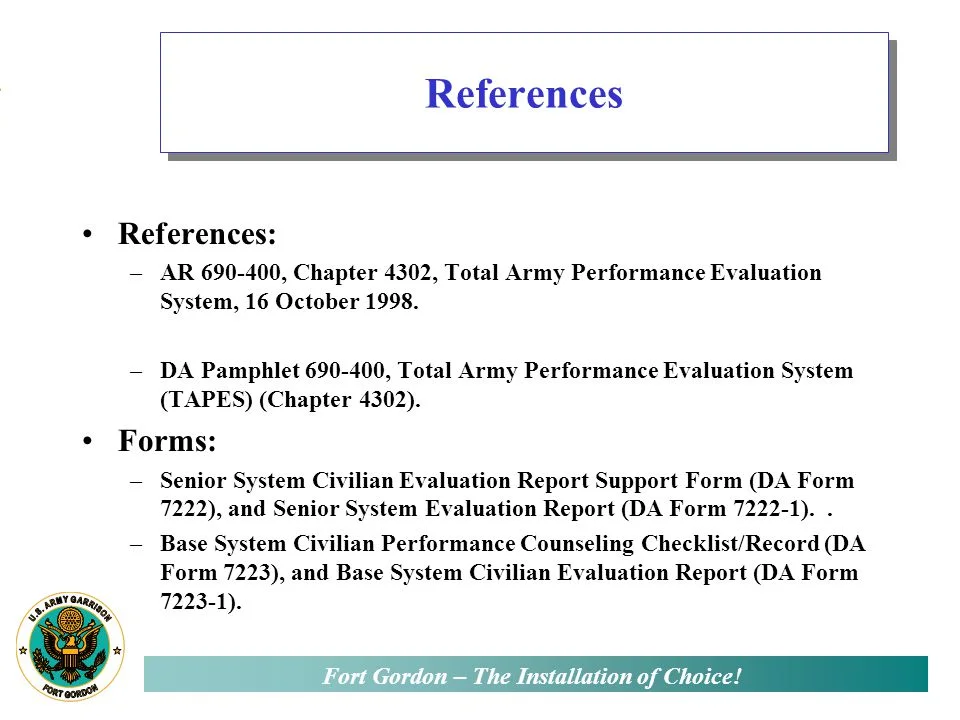
The process should begin by confirming which evaluation form and electronic workflow apply to the rating period. The form may be associated with older records or a particular administrative requirement, while current evaluations generally use the DA Form 2166-9 series. EES Army provides general guidance rather than official government processing, so unit S-1, military personnel office, or the applicable Army regulation remains the controlling source.
What DA Form 2166-8 Covers
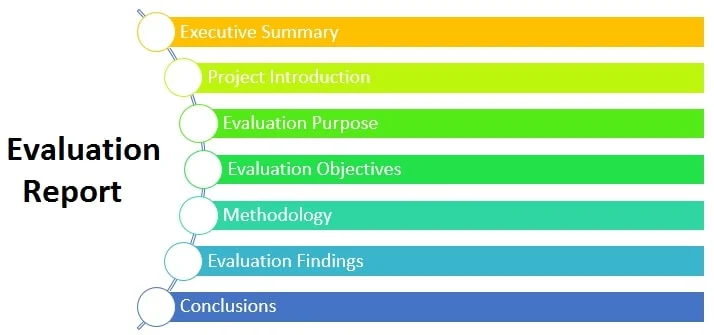
The report documents an NCO’s duty performance during a defined period. It normally includes administrative details, duty description, performance objectives, assessments, senior rater comments, authentication, and required counselling information. Deployment status does not remove the requirement for an accurate rating chain or a complete evaluation.
Before preparing the report, identify the rated NCO, rater, senior rater, and reviewer. Confirm rank, primary duty, organisation, location, and the beginning and ending dates of the rating period. A deployed soldier may work under a temporary command arrangement, but the official rating chain must be established according to Army policy rather than assumed from daily supervision.
Confirm the Form and Rating Period
Check whether the command specifically requested DA Form 2166-8 or whether the evaluation should be completed on a newer NCOER form. The correct choice can depend on the period being evaluated, the system available to the unit, and whether the report is an annual, change-of-rater, relief-for-cause, or other type of evaluation. An incorrect form can cause rejection or require the report to be rebuilt.
Review the applicable local policy, rating scheme, and submission deadline. If the soldier is supporting a US activity in Sydney, Brisbane, Perth, or Darwin, the local clock may differ significantly from the command’s headquarters time. Record deadlines in both time zones and allow for weekends, public holidays, and periods when the deployed network is unavailable.
For an explanation of how a related officer evaluation is generated, consult this OER preparation guide. The workflow is different, but it illustrates why the form, rating chain, and electronic record should be checked before signatures are requested.
Build Evidence While Deployed
A strong NCOER should be based on specific results, not broad claims about effort. Keep a working file containing mission outcomes, training completed, readiness improvements, safety achievements, leadership examples, and feedback from supported units. Include dates, measurable effects, and the NCO’s role in the result.
Evidence can be collected during the deployment through approved Army systems, official email, counselling records, award recommendations, and command documents. Avoid placing sensitive operational information in an unapproved personal account or consumer cloud service. Australian personnel assisting with administration should also distinguish US Army records from Australian Defence Force records; an ADF process or service number does not replace the US Army evaluation workflow.
Evidence Worth Preserving
- Duty results with measurable figures, dates, or mission effects
- Counselling records and documented performance objectives
- Training, qualifications, inspections, awards, and recognised achievements
- Examples of leadership, team development, resource management, and problem-solving
Coordinate Rater and Senior Rater
The rater should prepare the evaluation from firsthand observation and authorised input. A deployed NCO may have a rear-detachment supervisor, mission commander, or temporary duty supervisor who sees daily performance, but that person does not automatically become the official rater. Resolve any change through the command’s rating scheme and personnel channels.
The senior rater reviews the overall assessment, potential, and narrative consistency. Rater and senior rater comments should support the same factual picture without copying identical language. If the chain is separated between Australia and a deployed location, schedule a secure video call or use approved messaging to settle discrepancies before the report enters the signature stage.
Family members may need separate identification support while a soldier is away. A guide to requesting a dependent ID card may help with that separate task, but an ID-card request does not substitute for NCOER authentication or personnel-system submission.
Enter and Route the Evaluation
Use the authorised EES or unit-directed personnel system to create the evaluation, selecting the correct report type and rating period. Enter names, ranks, duty positions, organisation details, and dates exactly as they appear in official records. Small differences in spelling, duty title, or dates can create a mismatch with existing personnel data.
Review every narrative field for clarity, grammar, and unsupported statements. The report should show what the NCO did, how well it was done, and what effect it had. Save drafts in the approved system, then route the report through the required order: normally the rated NCO review, rater authentication, senior rater authentication, and any mandated reviewer action.
Electronic Routing Checks
- Verify every signer’s role, email address, and system access
- Confirm the report is attached to the correct soldier and rating period
- Check that all required blocks, comments, and dates are complete
- Retain the transaction or routing reference supplied by the system
Australian readers should be cautious when relying on mobile data from the local telco market, especially at remote training areas or outside major centres. A prepaid SIM or personal hotspot may be useful for ordinary communication, but it should not be used to bypass Army cyber-security rules or upload official evaluation files through an unapproved service.
Handle Signatures and Corrections
The rated NCO should have the opportunity to review the report and provide any permitted comments or acknowledgement. A signature generally confirms review or receipt, not automatic agreement with every assessment. If the soldier cannot access the system during a mission, the unit must follow the authorised alternative procedure rather than inserting a signature or forwarding credentials.
Correct errors before final submission whenever possible. If a mistake is discovered after authentication, do not edit a signed document informally or circulate multiple competing copies. Contact the S-1, servicing personnel office, or system administrator to determine whether the report must be reopened, corrected, re-signed, or processed through an amendment or appeal channel.
Privacy also matters when a report is handled in Australia. The Privacy Act 1988 (Cth) and workplace expectations reinforce the need to limit access to personal information, although US Army records remain governed by the applicable US rules and command procedures. Avoid sending an NCOER to a personal Gmail address, printing it in a shared workplace, or leaving it on a family computer.
Protect and Retain the Record
After final approval, confirm that the evaluation reached the authorised personnel record and was not merely saved as a local draft. Keep the final copy, routing confirmation, and any correction correspondence in approved storage. The soldier should know where to find the official record and whom to contact if it does not appear.
A soldier leaving service may need to retrieve records later through the appropriate channel. Guidance on accessing an iPERMS record can be useful after separation, although iPERMS availability, indexing, and document correction procedures should be confirmed with the responsible Army office.
Maintain a simple audit trail showing the form version, rating dates, signers, submission date, and final storage location. That record is especially valuable when a deployed evaluation crosses financial years, command changes, Australian and US time zones, or periods of interrupted network access.