Getting a Military ID Card for a Child Under 10
A child under 10 may be eligible for a United States military identification card, but an ID is not automatically issued at birth or at the time of DEERS enrolment. In many families, children younger than 10 are recorded in the Defense Enrollment Eligibility Reporting System (DEERS) without receiving a physical card unless there is a clear need.
The process usually involves confirming the child’s eligibility, preparing identity and relationship documents, and arranging an appointment with a Real-Time Automated Personnel Identification System (RAPIDS) site. Requirements can vary by service branch, duty station and overseas location, so checking with the responsible ID card office before travelling is essential.
For families in Australia, the practical details matter. A household in Canberra, Sydney or Brisbane may need to contact a US installation, defence liaison office or another authorised issuing location well in advance. A local Australian birth certificate can support the application, but the issuing office will decide which original documents or certified copies it accepts.
When a Young Child Needs a Military ID
Children under 10 are commonly enrolled as military dependants in DEERS, even when they do not have their own Uniformed Services Identification and Privilege Card. A physical card may be useful when the child needs regular access to a military installation, medical treatment, pharmacy services, travel support or other benefits that require identity verification.
The age threshold is not an absolute substitute for a needs assessment. A parent may request a card before the child turns 10 when the child has a specific medical, access or administrative requirement. The sponsor should explain that reason to the ID card facility, because the office may need to approve an exception or record the request in a particular way.
A military ID is different from an Australian Medicare card, passport or state-issued proof of age. It confirms an eligible relationship with the US military and is normally connected to the sponsor’s DEERS record.
Documents to Prepare Before Applying
The child’s original birth certificate is usually the key relationship document. Depending on the circumstances, the office may also require a passport, adoption paperwork, court order, custody document or other evidence showing legal dependency. Documents in another language may need an acceptable English translation.
The sponsoring service member generally needs a current military ID. If the sponsor cannot attend, the parent or guardian may need a valid power of attorney or another authorisation accepted by the issuing facility. A non-military parent should bring their own government-issued photo identification as well.
A name change, divorce, adoption or guardianship arrangement can create extra checks. It is wise to compare the child’s name and date of birth across every document before the appointment. Families dealing with US personnel records may also find it useful to review iPERMS award records, particularly when broader administrative paperwork needs to be organised.
DEERS Enrolment and the DD Form 1172-2
The first administrative step is usually adding the child to DEERS. DEERS records eligibility; RAPIDS produces the physical ID card. These are connected processes, but completing one does not always mean the other is complete.
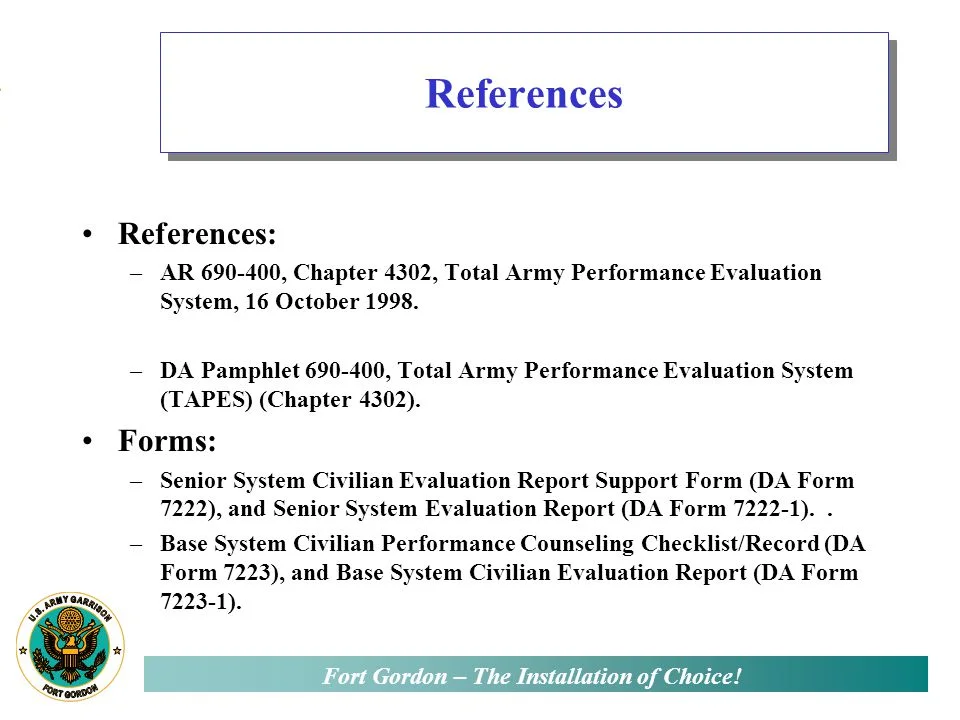
The sponsor may need to initiate or approve a DD Form 1172-2, Application for Identification Card/DEERS Enrollment. The form can often be prepared through an authorised personnel system or at a military identification facility. The issuing office will verify the sponsor, the child and the relationship before printing the card.
Do not assume that an Australian US consulate provides the same service as a military ID office. A family near Canberra might need to ring ahead to determine whether the relevant service is available locally, while someone in Sydney or Brisbane may need to coordinate with a regional US defence office or travel to an approved RAPIDS location. Appointment availability can be limited around Australian public holidays and US federal holidays.
Booking the RAPIDS Appointment
Use the official RAPIDS Site Locator or instructions from the sponsor’s personnel office to identify an authorised location. Select the service for a dependent ID card, then confirm whether the site handles children under 10 and whether it accepts walk-ins. Many offices operate strictly by appointment, so “just dropping by” may not work.
Ask the office what it wants brought to the appointment, whether the child must attend, and whether the sponsor has to be present. Some sites may need the child for identity verification or a photograph, while others apply local procedures for young children. Confirm these points by phone or email rather than relying only on an online booking screen.
For families travelling from regional New South Wales or Queensland, the journey may involve flights, accommodation and time away from work or school. Keep the appointment email, document checklist and contact details together, and allow extra time for security screening at a military facility.
What Happens After the Card Is Issued
At the appointment, staff normally verify the documents, confirm the child’s DEERS record, obtain any required signature or biometric information, and issue the appropriate USID card if the request is approved. A child under 10 may receive a card with different features from an adult common access card, and the card’s privileges depend on the child’s recorded eligibility.
Check the printed name, date of birth, relationship and expiration date before leaving. Report errors promptly to the issuing office. Store the card securely and avoid sharing images of it online, since it contains personal and military-related information.
The card does not replace a passport when the family travels between Australia and the United States. It also does not independently establish permission to cross a border or prove Australian immigration status. For broader Army administration, keep this request separate from career paperwork such as CW2 promotion point calculations, which follow different records and eligibility rules.
| Situation |
Likely action |
Important point |
| Child under 10 has no special access or medical need |
Enrol the child in DEERS |
A physical card may not be necessary |
| Child needs regular treatment or installation access |
Request a dependent USID card |
Explain the practical need to the issuing office |
| Sponsor attends the appointment |
Bring sponsor’s current military ID |
Bring the child’s original relationship documents |
| Sponsor cannot attend |
Ask about DD Form 1172-2 and authorisation |
A power of attorney may be required |
| Family is in Australia |
Confirm the nearest authorised RAPIDS service |
Consulates and military ID facilities may offer different services |
Practical Preparation Checklist
- Confirm that the child is enrolled in DEERS or arrange enrolment before requesting the card.
- Gather the original birth certificate, passport and any custody, adoption or name-change documents.
- Check whether the sponsor, child and non-military parent must attend.
- Book an authorised RAPIDS appointment and verify overseas document requirements.
- Bring appointment details, government-issued identification and any approved DD Form 1172-2.
- Check every detail on the printed card before leaving the facility.