How to Use iPERMS to View Your Award Documentation
The Integrated Personnel Electronic Records Management System, commonly called iPERMS, is one of the main places Army personnel can review documents maintained in their official military record. Award certificates, DA Form 638 recommendations, orders, and related supporting paperwork may appear there after they have been processed and uploaded.
Reviewing your award documentation is useful before a promotion board, reassignment, separation, or records review. It can also help identify missing pages, incorrect award levels, unreadable scans, or documents filed in the wrong section of your Army Military Human Resource Record.
iPERMS is an official records platform, but individual units and personnel offices remain important parts of the submission process. A document will not appear simply because an award was approved locally; it generally must be finalized, transmitted, and indexed correctly.
Access Your iPERMS Account
Begin by using the current Army-approved iPERMS access page and an authorized login method, such as a Common Access Card when required. Access procedures can change as Army identity systems and personnel platforms are updated, so use official Army instructions or your unit S-1 if the sign-in page does not work.
After signing in, allow the system time to load your record. A slow connection, browser compatibility issue, expired certificate, or card-reader problem can interrupt access. Use a supported browser, confirm that your CAC certificates are available, and avoid saving military records to a shared or public computer.
Your record may contain sensitive personal information. Do not forward award files through unsecured personal email or store them indefinitely on an unencrypted device. Download a copy only when necessary, and protect it as carefully as any other personnel document.
Locate Awards and Supporting Documents
The document view normally organizes records by folders, categories, or document types. Award paperwork may be located in the performance portion of the AMHRR, although the exact placement can depend on the document and how it was indexed. Look for award certificates, DA Form 638 documents, permanent orders, citation pages, and approval memoranda.
Use search and filtering tools when available. Search by the award date, document title, award name, or issuing organization. If a search for “Army Commendation Medal” does not produce a result, try related terms such as “ARCOM,” “certificate,” “permanent orders,” or the order number.
Open each likely file and check all pages. A record may include a certificate without the citation, or a recommendation without the final approval page. Confirm that the recipient’s name, rank, service number or identifier, award level, period covered, and approval authority are accurate.
Check the Record for Accuracy
An award document should be legible and complete. Compare the iPERMS copy with your original certificate, orders, unit award tracker, or personal service records. Pay close attention to missing signatures, incorrect dates, misspelled names, incorrect periods of service, and awards that were approved but never posted.
The document’s location also matters. Some records may be filed under a category that is different from what you expect, and a document can be present without being easy to find through a basic search. Review nearby files and confirm that the item belongs to your official record rather than a duplicate or unrelated scan.
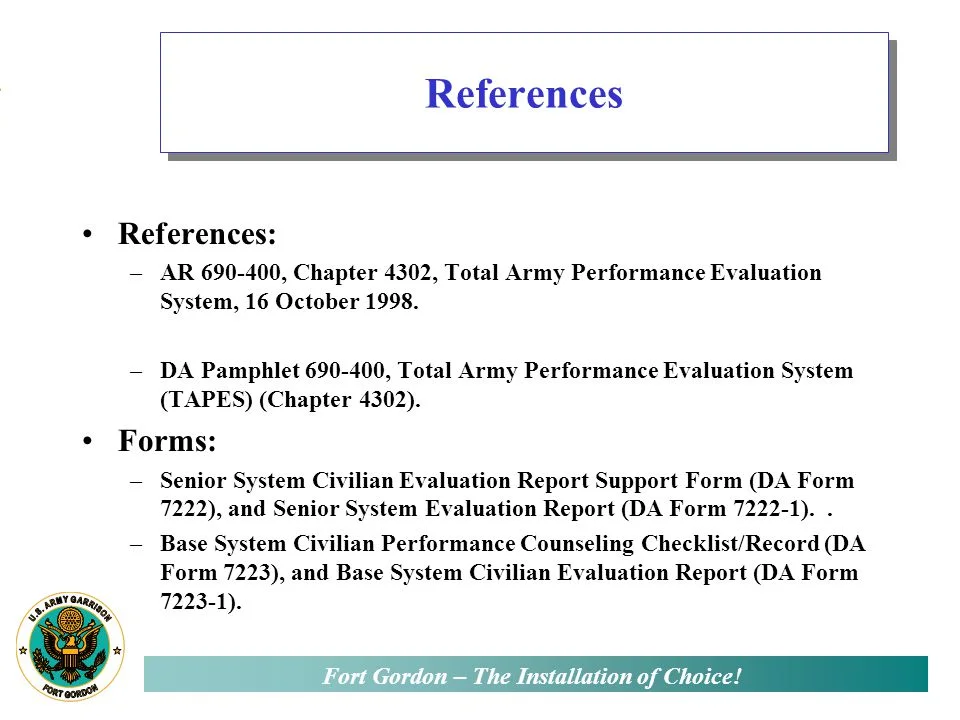
iPERMS records can support personnel actions, but they do not replace every Army administrative system. Evaluation information, promotion data, and award-related actions may be handled through separate processes. For broader evaluation-system guidance, review the Army evaluation system information alongside your personnel record review.
| Document |
What to Verify |
Common Issue |
| Award Certificate |
Name, rank, award level, date, and wording |
Misspelled name or incorrect award |
| DA Form 638 |
Recommendation, approval, signatures, and dates |
Missing final approval page |
| Permanent Orders |
Order number, issuing authority, award, and recipient |
Orders not uploaded or poorly indexed |
| Award Citation |
Name, service details, and approved text |
Citation absent from the scan |
| Supporting Memorandum |
Unit, date, authority, and relationship to the award |
Filed under an unexpected category |
Request Corrections or Missing Files
If an award is missing, first gather proof of the completed action. Useful evidence may include a signed DA Form 638, permanent orders, the certificate, citation, award approval memorandum, and a statement from the unit that processed the award. Keep the original documents and make clear, readable copies for submission.
Contact your unit S-1, battalion or brigade administrative office, or the appropriate records-management personnel. Explain what is missing, identify the relevant dates, and provide the document title or order number. Ask whether the award was uploaded, rejected, indexed under another category, or sent for correction.
When the problem involves a broader personnel-record dispute, maintain a written record of your requests and responses. Records issues can affect evaluations and career decisions, so personnel should understand the available administrative channels; the guidance on requesting a board of inquiry provides related context for formal record concerns.
Follow Up After Submission
After your S-1 or records office submits a correction, allow time for processing before checking iPERMS again. Upload and indexing timelines vary based on workload, document quality, approval requirements, and the organization responsible for the transaction.
Sign back in and search using several terms if the file does not appear immediately. Once located, review the complete document again and save a secure personal copy if permitted. Record the date you checked the system and the result, especially when an award is needed for a board packet or separation requirement.
If the item still does not appear, send a concise follow-up that includes your name, organization, award type, submission date, and prior ticket or correspondence number. Avoid submitting multiple conflicting versions of the same document because duplicates can make later record correction more difficult.
Build a Reliable Records Review Habit
A regular review helps catch administrative errors before they become urgent. Consider checking your award documentation after a promotion, permanent change of station, transfer between components, major award approval, or preparation for a centralized selection board.
Use these practical steps:
- Compare iPERMS entries with your personal award file and DA Form 638 records.
- Confirm that certificates, citations, and permanent orders are all present when applicable.
- Report missing or inaccurate documents through your S-1 or designated records office.
- Keep copies of submission emails, correction requests, and supporting evidence.
- Review the record again after the expected processing period.
Keep Your Award Record Ready
iPERMS gives Army personnel a practical way to inspect the documents supporting their service history, but accuracy depends on proper submission, indexing, and follow-up. Finding an award is only the first step; confirming that every page is readable and correctly associated with your record is equally important.
Log in during your next records review, verify each award against your source documents, and begin the correction process promptly for anything missing or inaccurate. A current award record can make future administrative actions faster and help ensure your service achievements are properly documented.