Reading Active Duty Time on Your Promotion Point Slip
A promotion point slip is a snapshot of the personnel data used to assess an Army enlisted promotion packet. For active-duty soldiers, the service-time section can affect eligibility, points, and the date on which a record is considered complete. Reading it carefully helps identify errors before a promotion board or monthly promotion cycle.
The document may show several dates that appear similar but serve different purposes. Pay Entry Base Date, Basic Active Service Date, enlistment dates, and time in grade can each influence a personnel record, while breaks in service, prior active duty, or administrative corrections may complicate the calculation.
Australian readers assisting a US Army member should remember that this is a US military process, not an Australian Defence Force promotion record. ADF terms and systems do not map perfectly to Army terms, so official personnel records and the soldier’s servicing S-1 or career counsellor should settle any dispute.
Find The Service-Time Fields
Start by locating entries labelled Time in Service, service computation, active service, or a similar phrase. The exact layout can vary depending on whether the document was produced through a current Army personnel system, a local administrative workflow, or an older worksheet.
Look for the underlying dates as well as the displayed points. A total such as “years and months” is useful, but the date used to produce that total is more important. Compare the slip with the soldier’s official record brief, leave and earnings statement, enlistment paperwork, and any approved correction documents.
Separate Active Service From Total Service
Active duty time is not always the same as total military service. A soldier may have reserve service, inactive status, prior enlisted service, or a break between periods of duty. Some periods count for one personnel purpose but not another, so adding every day shown on a career timeline can produce the wrong result.
The key date may be the Active Duty Service Date, often called the ADSD, or another service computation date established by Army policy. Do not assume the earliest enlistment date is automatically the date used for promotion calculations. Reenlistments, transfers, commissioning events, and corrected records can change how time is credited.
Understand TIS And TIG
Time in service, or TIS, generally refers to creditable military service. Time in grade, or TIG, refers to the period spent in the soldier’s current grade. A promotion point slip may display both because the Army can use them for separate eligibility or scoring rules.
A recent promotion policy, rank, or component can change how TIS and TIG are treated. Point values and eligibility requirements should therefore be checked against the applicable Army publication or promotion message for the relevant month. Avoid relying on an old worksheet saved by a colleague or downloaded from an unofficial forum.
The record should also be consistent with the soldier’s current grade and date of rank. If the date of rank is wrong, the TIG calculation may be wrong even when the active-duty start date is accurate.
Check Dates Against Official Documents
Compare the slip with the soldier’s record brief and the dates shown in the Army’s personnel systems. Pay particular attention to initial entry training, prior-service contracts, mobilisations, deployments, and periods of leave or status change. A short administrative gap can matter when a calculation is made on a specific cutoff date.
If the soldier served in more than one component, gather documents showing each transition. Orders, discharge documents, contracts, correction memoranda, and approved service-credit determinations can help the S-1 trace the history. Keep copies in a secure folder rather than relying on a photograph stored in a general messaging app.
A soldier who is temporarily in Sydney, Brisbane, or Perth may need to work across Australian Eastern or Western time zones when contacting a US unit. Send requests early enough to account for the difference between local business hours and the unit’s duty day.
Read The Cutoff Date And Status
A promotion point slip is usually tied to a particular reporting date, board, or monthly cycle. Confirm the “as of” date, suspense date, and status of the record. A newly approved award, completed course, or corrected service date may not appear until a later update.
Check whether the document is marked eligible, ineligible, incomplete, or pending verification. An apparently low total may reflect missing data rather than a final decision. The same applies when active-duty time appears lower than expected: the worksheet may be using a date that has not yet been corrected in the personnel system.
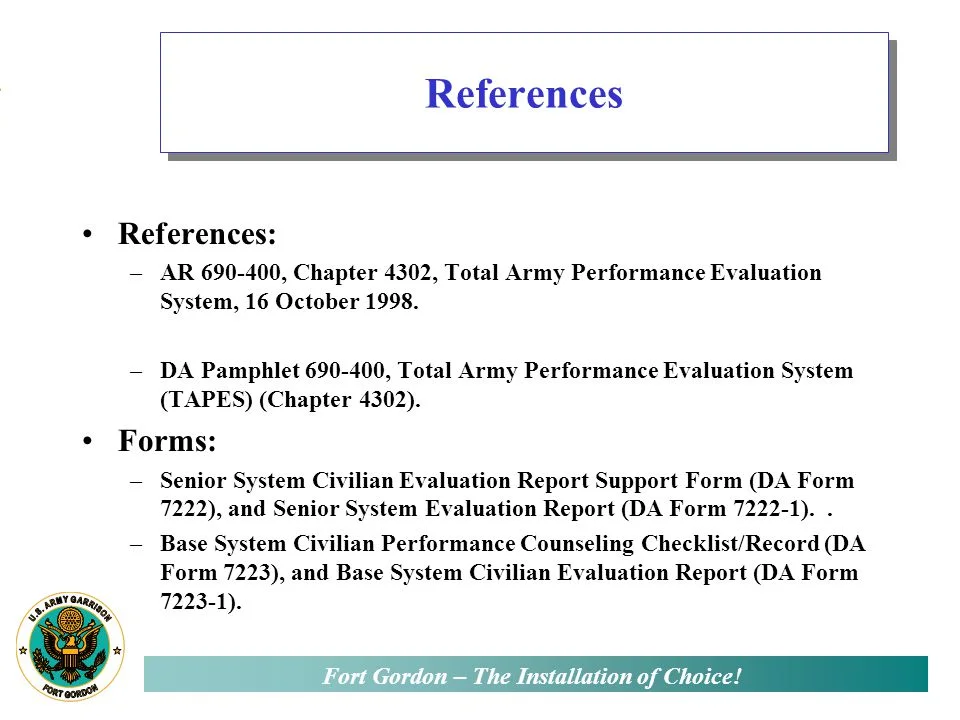
Promotion records can also interact with evaluation information. If the slip or packet references an evaluation issue, this guide to senior rater potential can help explain the related terminology, although it does not replace the governing Army regulation.
Protect Personal Records In Australia
When handling a promotion point slip outside the United States, remove unnecessary personal identifiers before emailing or printing it. A document may contain a full name, DoD identification number, grade, unit, dates of service, and other sensitive details. Australian readers should treat it carefully under the principles of the Privacy Act 1988, especially when using a shared household computer or a commercial scanning service.
Officeworks and similar Australian retailers can be convenient for printing or scanning, while Australia Post may be used for physical correspondence. These options do not make a retailer an authorised Army records office. Use a private device, check the recipient address character by character, and avoid uploading personnel records to an unknown document-conversion website.
A replacement military ID can create a separate access problem for a family living locally. Guidance on a temporary military ID may be useful, but identity-card procedures and promotion-point corrections are different processes.
Fix A Calculation Error
Write down the exact discrepancy before contacting the unit. State the date shown on the slip, the date you believe is correct, the source document supporting your position, and the effect on TIS, TIG, eligibility, or total points. A clear comparison is easier for an S-1 clerk or career counsellor to investigate than a general claim that the record is wrong.
Use the unit’s official administrative channel and retain the submission, attachments, and response. If the issue is not resolved, ask what escalation route applies, such as the servicing personnel office, human resources specialist, or formal records-correction process. Do not alter the worksheet yourself or substitute an estimated service date.
Practical Checks Before Submission
- Confirm the slip’s reporting or cutoff date.
- Compare the active-duty date with the official record brief.
- Separate total military service from creditable active service.
- Check the current grade and date of rank for TIG accuracy.
- Gather orders, contracts, discharge papers, and correction documents.
- Remove unnecessary personal information before sharing copies.
- Keep the submission receipt and follow-up correspondence.
A careful review is especially useful before a monthly promotion action, because a correction submitted after the cutoff may not affect that cycle. The authoritative answer will come from the Army personnel system and the responsible officials, while the slip serves as a practical tool for spotting inconsistencies early.