Temporary Military ID Cards While a Replacement Is Pending
A lost, damaged, expired, or malfunctioning military identification card can affect access to installations, medical facilities, commissaries, exchanges, lodging, and other services. The replacement process may take time, but eligible service members, retirees, dependents, and authorized beneficiaries may be able to receive temporary credentials or alternative access documentation.
The exact solution depends on the card type, your status, the reason for replacement, and the policy of the installation’s ID card office. A temporary credential is not always issued automatically, and it may have a shorter validity period or fewer privileges than a permanent Common Access Card (CAC) or Uniformed Services ID card.
Knowing which office to contact, what paperwork to bring, and how to protect your identity can make the transition smoother while your replacement military ID is being processed.
Why Temporary Access Matters
A military ID is used for much more than visual identification. It can support access control, healthcare eligibility, benefit verification, travel, morale and welfare services, and account authentication. Losing the card may therefore create practical problems even when a replacement appointment is already scheduled.
If a CAC is lost or stolen, report the incident promptly according to local command and installation procedures. The card may need to be revoked so another person cannot use it. A security desk, unit security manager, help desk, or military police office may provide instructions based on the type of credential involved.
Do not assume that a photocopy or a picture of the old card will serve as a valid substitute. Those items may help establish your identity during the replacement process, but access personnel generally decide whether they can be accepted.
Confirm What You Need
Start by identifying whether you need a replacement CAC, a dependent ID, a retiree or dependent credential, or a temporary installation access pass. These documents are issued through different processes, and a temporary visitor pass is not the same as a temporary military identification card.
Contact the nearest Real-Time Automated Personnel Identification System (RAPIDS) site or military ID card facility before traveling there. Many offices require appointments, and some handle only specific populations or card types. The Defense Enrollment Eligibility Reporting System (DEERS) record must generally be current before a replacement can be issued.
Your unit or sponsor may also need to verify your status. For a dependent or beneficiary, the sponsor may have to be present or provide an authorization, depending on the installation and transaction. Call ahead to learn whether remote verification, a power of attorney, or a sponsor statement will be accepted.
Gather Documents Before the Appointment
Bring a government-issued photo ID if you have one, such as a driver’s license or passport. If the military card was lost or stolen, bring any incident report or notification provided by your unit, security office, or law enforcement. A damaged card should usually be brought to the appointment when possible.
The ID card facility may request two forms of identification, proof of eligibility, marriage or birth documentation, guardianship records, or other supporting paperwork. Requirements vary, so check the facility’s current list rather than relying on an old appointment notice.
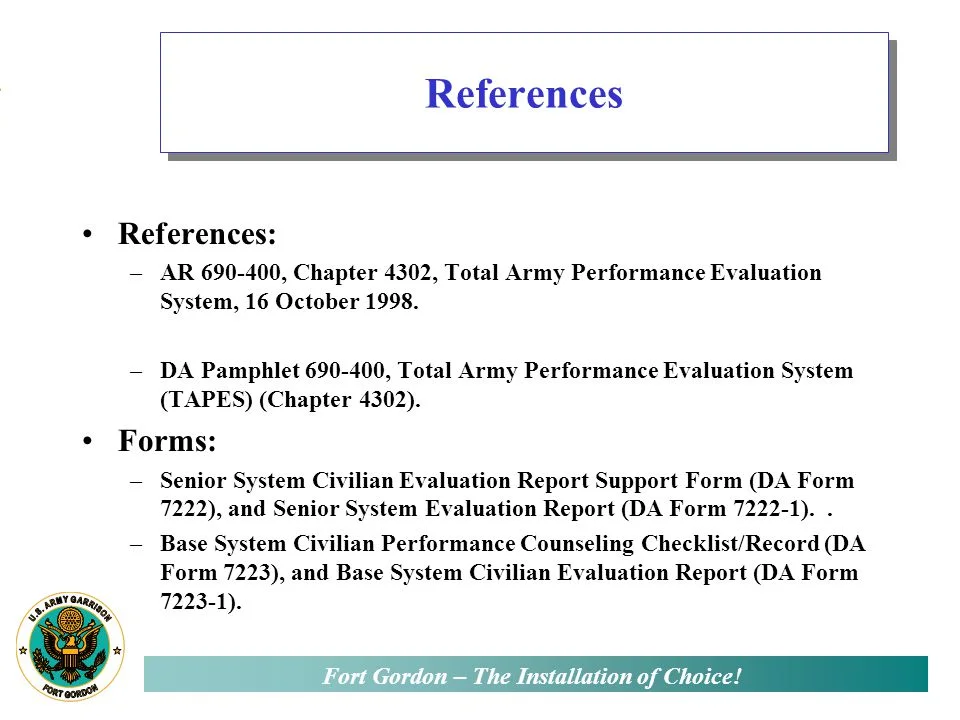
Keep digital copies of important records in a secure location, but do not email sensitive documents casually. For broader personnel administration, accurate records matter as well; the Army performance evaluation guide can help explain how administrative documentation fits into a service member’s official file.
Visit the Correct Office
The RAPIDS or military personnel office is normally the starting point for a replacement military ID. Staff can review your DEERS eligibility, verify identity, cancel a lost credential, and determine whether a temporary credential or another form of access support is available.
Some installations issue a paper authorization, temporary credential, or limited-use pass while the permanent card is being produced. Others may direct the individual to the visitor control center for installation access and require separate arrangements for medical care, base shopping, or restricted facilities.
Ask the issuing office what the temporary document allows, when it expires, and whether it must be surrendered when the replacement arrives. Clarify whether it works at other installations, with healthcare providers, or only at the location that issued it.
Compare Available Access Options
The most appropriate temporary solution depends on the type of lost card and the purpose for which access is needed. A visitor pass may permit entry through a gate but will not necessarily prove healthcare eligibility or provide CAC authentication for computer systems.
| Temporary or alternative option |
Usually helps with |
Important limitation |
| Temporary paper credential |
Short-term identity or eligibility verification |
May be limited to a specific installation or service |
| Visitor access pass |
Entry through an installation gate |
Does not replace a military ID or CAC |
| Sponsor escort or authorization |
Access for dependents or visitors |
May require the sponsor to remain involved |
| Replacement CAC appointment record |
Showing that a replacement is in process |
Is not a credential by itself |
| Local medical or benefits verification |
A specific appointment or service |
Acceptance depends on the provider |
Ask for written instructions whenever possible. A gate pass, appointment confirmation, or office-issued letter may reduce confusion, but acceptance remains subject to the facility’s rules and security requirements.
Protect Your Records During the Delay
A temporary credential does not restore the digital functions of a CAC. You may still need a separate process for network access, certificates, email, or systems that require smart-card authentication. Contact your unit information technology support team if a revoked or damaged CAC prevents official work.
Use the waiting period to review your personnel records and report unrelated discrepancies through the proper channels. If an evaluation is absent from your official record, this guidance on a missing NCOER may help you identify the documentation and follow-up needed.
Evaluation records can also be affected by administrative mistakes. Reviewing common OER errors is useful when checking whether official files contain accurate dates, signatures, ratings, and supporting information.
Steps That Reduce Delays
Prepare carefully before visiting the ID card office:
- Confirm the appointment location, hours, eligibility rules, and accepted forms of identification.
- Report a lost or stolen CAC promptly and follow instructions for account or certificate suspension.
- Ask whether your installation issues a temporary credential, paper authorization, or visitor pass.
- Bring sponsor information and supporting eligibility documents for dependent or beneficiary transactions.
- Record the temporary document’s expiration date and arrange follow-up before it lapses.
Keep the temporary credential secure and do not alter, laminate, scan, or share it unless the issuing office specifically permits those actions. If it is lost, report it just as you would report a permanent military ID.
Contact the appropriate RAPIDS site, personnel office, or visitor control center before your replacement appointment so you can confirm the available temporary access option and arrive with the correct documentation.