Preparing for a CW3 Promotion Board
A CW3 promotion board evaluates more than technical competence. It considers whether a warrant officer has demonstrated the judgment, leadership, professional credibility, and broad operational awareness expected at the next grade. Preparation should therefore connect your assignments, performance evaluations, military education, and personal presentation into one clear professional record.
The process begins well before the board convenes. Review the current promotion board announcement, eligibility criteria, suspense dates, and required documents through official Army channels. Requirements can change, and the governing MILPER message should take priority over general guidance.
Your goal is to make the board file accurate, complete, and easy to understand. At the same time, you must be ready to explain your experience in a focused interview that demonstrates technical depth, leadership maturity, and an understanding of Army priorities.
Start With The Board Announcement
Read the current MILPER message line by line and create a personal checklist. Confirm your zones of consideration, required service obligations, security clearance status, military education requirements, and any restrictions affecting eligibility. Pay close attention to the official submission window because late corrections may not be accepted.
The announcement also explains how documents must be submitted and which records the board will see. Do not rely on memory from a previous board. Compare the current message with your career timeline, then identify discrepancies early enough for your servicing personnel office, career manager, or human resources specialist to address them.
Build An Accurate Board File
Review your Official Military Personnel File, evaluation reports, awards, certificates, military education records, and assignment history. Check that documents are legible, correctly dated, and filed in the appropriate record. Missing or misfiled documents can weaken an otherwise strong career history.
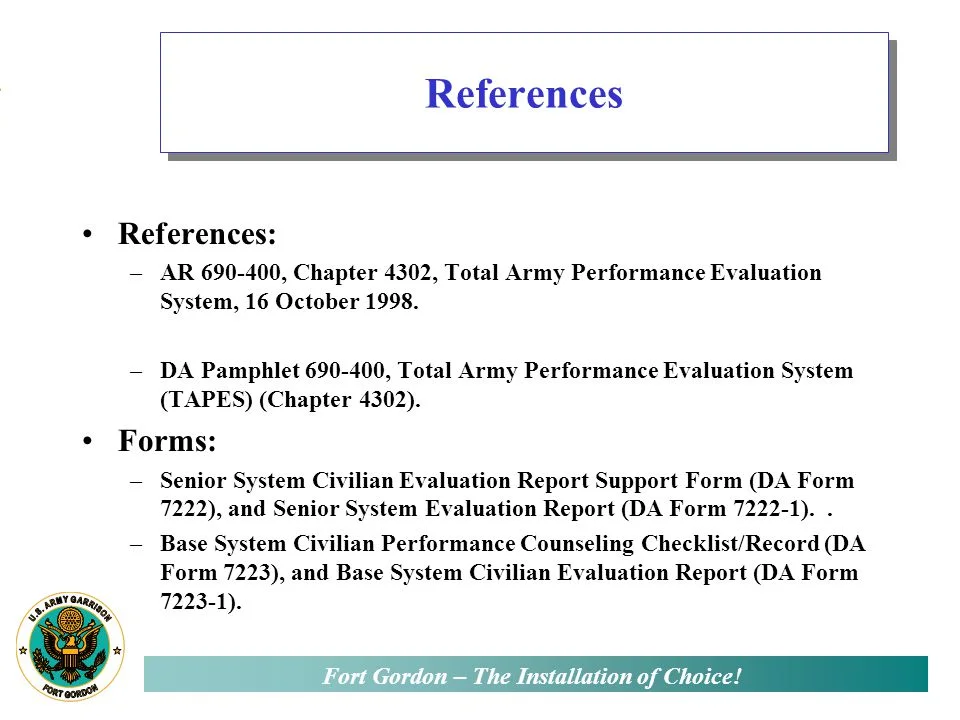
Use the EES login page as a reference point when reviewing evaluation-related administrative processes, but verify your official record through the Army systems and personnel channels designated in the board announcement. Pay special attention to NCOERs or OERs that contain incorrect duty titles, rating periods, senior rater information, or missing signatures.
A career timeline can help you find gaps. List every assignment, duty position, deployment, qualification, award, and significant leadership responsibility. Compare that list against your records and prepare correction requests as soon as possible.
Shape Your Professional Narrative
A CW3 candidate should be able to explain how technical expertise created operational value. Prepare concise examples showing how you solved difficult problems, improved readiness, trained subordinates, advised commanders, or managed risk. Strong answers include the situation, your actions, the result, and what you learned.
Your narrative should also show progression. Explain how your responsibilities expanded from individual technical performance to influencing teams, organizations, and command decisions. Board members need to see that you understand the role of a senior warrant officer as a trusted advisor, not simply as the most experienced person in a specialty.
Avoid presenting a disconnected list of accomplishments. Group your examples around themes such as mission impact, talent development, stewardship, innovation, and ethical leadership. This approach makes your experience easier to remember and demonstrates deliberate professional growth.
Prepare For Likely Interview Areas
Study Army leadership doctrine, your branch and military occupational specialty guidance, current operational priorities, and the responsibilities associated with CW3. Be prepared to discuss counseling, evaluations, mentorship, command climate, safety, readiness, and the proper response to ethical concerns.
Technical questions may address equipment, systems, maintenance, intelligence, aviation, logistics, or other branch-specific subjects. Review regulations and technical references that apply to your field, but do not limit preparation to memorized definitions. Practice explaining how you would apply doctrine and technical judgment in an ambiguous situation.
| Preparation Area |
Evidence To Review |
Practice Outcome |
| Career progression |
Assignments, evaluations, qualifications |
Explain increasing responsibility |
| Technical expertise |
Regulations, systems, mission experience |
Provide clear, practical answers |
| Leadership |
Counseling, mentorship, team results |
Show measurable people impact |
| Army knowledge |
Doctrine, policies, current priorities |
Connect decisions to Army standards |
| Professional presence |
Uniform, bearing, communication |
Project confidence and credibility |
Rehearse With Purpose
Schedule several mock boards with leaders who will challenge your assumptions. Ask them to interrupt unclear answers, request specific examples, and test your knowledge outside your immediate duty position. A practice board should feel demanding enough to reveal habits that need correction.
Record or observe your responses when possible. Look for excessive detail, weak openings, filler words, defensive language, or answers that fail to identify results. Aim for a direct response followed by one or two supporting examples. If you do not know an answer, acknowledge the limitation and explain how you would find the correct information.
Practice your biography, career summary, leadership philosophy, and reasons for seeking promotion. These answers should sound natural rather than memorized. Confidence comes from repeated preparation, not from reciting a script.
Finish Administrative Readiness
Inspect every item that affects your professional appearance and board-day readiness. Confirm your uniform fits correctly, awards and badges are authorized and placed properly, grooming meets standards, and required identification is current. Resolve administrative issues before the final week.
Family and personnel documents can also create avoidable distractions. If a dependent needs an updated credential, review replacement ID guidance early and use the appropriate official installation process. Keep copies of submitted requests and track appointments or follow-up actions.
Create a final packet containing the board announcement, submission confirmations, record corrections, talking points, uniform checklist, travel details, and contact information for responsible offices. Protect personal information and use approved systems when transmitting documents.
Recommendations For The Final Weeks
- Review the current board announcement and create a deadline-driven preparation calendar.
- Audit OMPF, evaluations, awards, education, and assignment records for errors or omissions.
- Prepare concise examples that demonstrate technical expertise, leadership, ethics, and mission results.
- Conduct multiple mock boards with leaders from inside and outside your specialty.
- Complete uniform, identification, travel, and administrative checks before the final week.
A CW3 promotion board is an opportunity to demonstrate readiness for greater influence and responsibility. Begin with the official requirements, correct the record, refine your professional narrative, and rehearse until your answers are clear and authentic. Use the final days to stay organized, rested, and focused on presenting the officer your record already supports.