Getting a Military ID Card as a Retiree
A military retiree identification card provides access to eligible benefits, installations, commissaries, exchanges, medical services, and other military privileges. The card is issued through the Defense Enrollment Eligibility Reporting System (DEERS) at a Real-Time Automated Personnel Identification System (RAPIDS) site.
The process is usually straightforward when your retirement status and family relationships are correctly recorded. You will need to confirm eligibility, collect acceptable identification documents, schedule an appointment, and complete verification in person.
Requirements can vary by branch, installation, and personal circumstances. This guide offers general information for retired service members and their eligible dependents; the issuing office remains the final authority on acceptable documents and card procedures.
Confirm Your Eligibility
Retired members of the U.S. Army and other uniformed services generally qualify for a Uniformed Services Identification (USID) card after completing an eligible retirement. Certain retired reservists and National Guard members may have different eligibility rules based on retirement status, age, and benefit entitlement.
Eligible spouses, former spouses who meet specific requirements, surviving spouses, and dependent children may also qualify. A dependent’s eligibility can change because of age, marriage, school enrollment, disability, divorce, or the death of the sponsor.
Before making an appointment, check that your status appears correctly in DEERS. Retirees can contact a personnel support office, a RAPIDS site, or the Defense Manpower Data Center for help with records that are missing or inaccurate.
Gather the Required Documents
Bring original documents or certified copies whenever possible. Most applicants need two forms of identification, including one government-issued photo ID. A state driver’s license, U.S. passport, or prior military identification card may satisfy part of this requirement, but local offices can apply specific standards.
A retiree may also need proof of retirement or service, such as retirement orders, a DD-214, or another official record. If the retirement status is already confirmed in DEERS, the office may not request every document, but carrying supporting paperwork can prevent a second visit.
Dependent applications often require relationship documents. These may include a marriage certificate, birth certificate, adoption paperwork, divorce decree, or proof of full-time student status. Names must match across documents, or you may need legal name-change records.
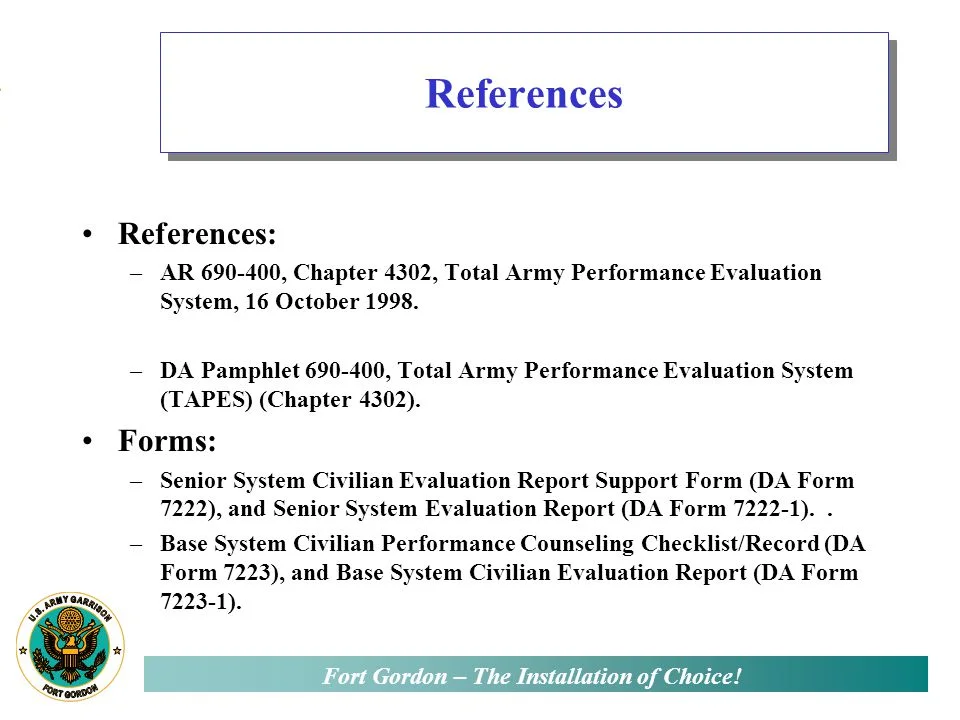
Keep personnel and benefits records organized before visiting the ID office. For broader Army administrative record management, resources such as this NCOER status guide can help explain how to monitor official records, although NCOER processing is separate from military ID issuance.
Schedule a RAPIDS Appointment
Use the official ID Card Office Online locator to find a nearby RAPIDS site and review its services. Some offices accept walk-ins, but appointments are often preferred, especially during retirement seasons, school breaks, and permanent-change-of-station periods.
Select the service for a retiree or dependent identification card and read the appointment instructions carefully. A location may issue cards only to certain categories of beneficiaries or may require additional verification before booking.
If no appointment is available nearby, check surrounding installations and smaller satellite offices. Call ahead when your case involves a former spouse, incapacitated dependent, survivor benefits, foreign documents, or a record that does not appear correctly in DEERS.
Understand the Visit
At the appointment, personnel verify your identity, eligibility, and relationship to the sponsor. They may review documents, update contact information, take a photograph, capture fingerprints, and record a signature. The actual card production time depends on the office and the type of card being issued.
The cardholder should inspect the printed information before leaving. Check the name, expiration date, branch affiliation, and other visible details. Report errors immediately so the office can correct them rather than requiring a separate replacement appointment.
A retiree usually must appear in person for an initial card or renewal. A sponsor may sometimes authorize another person to complete a dependent’s transaction, but procedures differ. Ask the issuing office about a DD Form 1172-2 or other authorization requirement before the appointment.
| Applicant or situation |
Common documentation |
Important consideration |
| Retired service member |
Government photo ID and proof of retirement or service |
Eligibility should be reflected in DEERS |
| Retired member renewing a card |
Current or expired military ID plus another accepted ID |
Verify the office’s renewal rules |
| Spouse or dependent child |
Photo ID and relationship document |
Age, marriage, school, or disability status may affect eligibility |
| Former spouse |
Identification and qualifying divorce or marriage records |
Eligibility depends on specific statutory requirements |
| Surviving spouse or dependent |
Identification and survivor-benefit documentation |
DEERS and benefits records may need separate verification |
Handle Renewals and Special Cases
Check the expiration date well before travel, medical appointments, or access to an installation. Some offices allow renewal within a designated period before expiration, while others may have different scheduling rules. A lost, stolen, damaged, or expired card may require a different transaction type and additional documentation.
A dependent who reaches an age limit, marries, divorces, begins or ends college attendance, or becomes eligible through a disability may need a DEERS update. Delayed updates can affect access to benefits and may prevent the office from issuing a replacement card.
Retirees should also protect their card as they would any other identity document. Do not lend it to another person, leave it unattended, or share images of both sides online. Report a lost or stolen card promptly and follow the installation’s instructions for replacement.
Administrative deadlines can matter when records support benefits or status changes. For example, reviewing information about AER filing deadlines may be useful for retirees handling other Army-related claims, though an AER claim is separate from the identification-card process.
Prepare Before You Visit
- Confirm that your retirement, dependent, and contact information is accurate in DEERS.
- Locate the nearest RAPIDS office and schedule the correct retiree or dependent service.
- Bring two acceptable identification documents and original relationship or retirement records.
- Call the office in advance about special circumstances, name discrepancies, or missing records.
- Review the new card before leaving and report any incorrect information immediately.
A military ID card appointment is most efficient when eligibility records and supporting documents agree. Retirees who prepare early are less likely to face delays caused by incomplete paperwork, unavailable appointments, or an outdated DEERS record.
Use the official ID Card Office Online resources and your selected RAPIDS site for current hours, appointment rules, and document requirements. After receiving the card, keep it secure and monitor its expiration date so your access to eligible military benefits remains uninterrupted.