How Reservists on Active Duty Get a Military ID Card
A U.S. Army Reservist who enters active-duty status may need a Common Access Card (CAC) for installation access, secure networks, email, medical administration and other official systems. The card is issued through the Defense Enrollment Eligibility Reporting System (DEERS) and a Real-Time Automated Personnel Identification System (RAPIDS) site.
The process depends on whether your orders have been entered correctly, whether your identity records match, and whether you arrive with the right documents. A reservist travelling from Australia should allow extra time because appointment availability, time-zone differences and overseas verification can make a simple card replacement more complicated.
This guide explains the practical steps, the documents commonly requested and the issues that can delay issuance. It is general information rather than an official Army instruction, so the servicing personnel office or RAPIDS operator remains the final authority.
Confirm Your Active-Duty Status
Your military ID eligibility is usually based on a qualifying assignment recorded in Army and Defense Department systems. Bring current mobilisation, active-duty or training orders showing your status, reporting dates and unit information. If your orders have changed, carry the amendment as well as the original document.
Your unit administrator or S-1 section should confirm that your record is active in DEERS before you travel to the card office. A RAPIDS operator may be unable to issue a CAC if the orders are valid on paper but have not yet been transmitted through the personnel system.
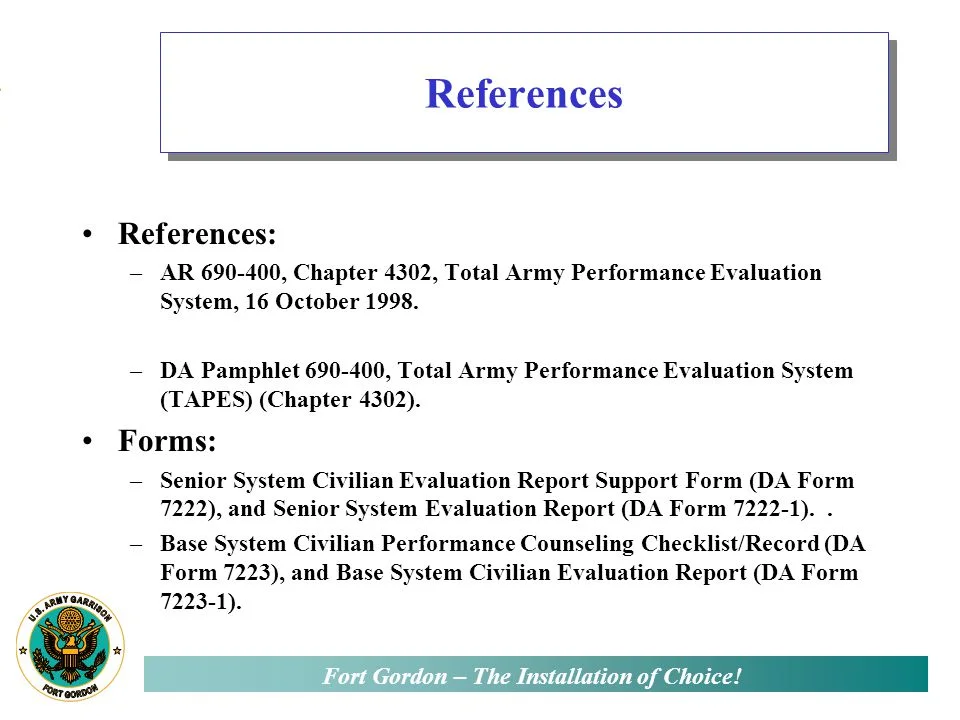
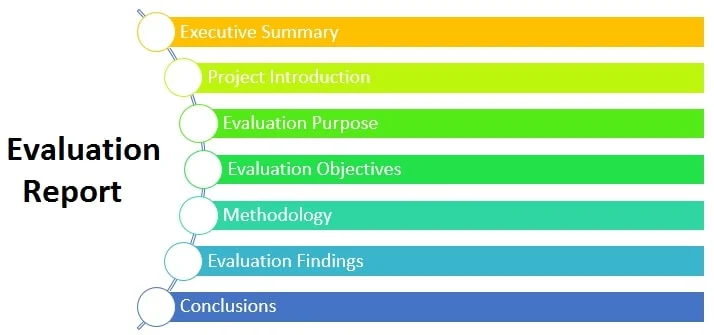
Access to Army administration can also depend on your account status. If you are managing evaluation paperwork while moving between Reserve and active-duty roles, you may need to submit evaluations to HQDA through the approved channels. A current military record does not replace the identity verification required for a CAC.
Prepare Documents Before Booking
Most applicants should bring two acceptable identity documents, with at least one containing a photograph. A passport, U.S. driver licence, state identification card or other approved credential may be accepted, but the RAPIDS site controls the final list. Your Social Security information and personnel record must also match the details in DEERS.
For an applicant based in Australia, a current Australian passport or state-issued driver licence may be useful supporting identification, but it should not be assumed to satisfy every U.S. Department of Defense requirement. An Australian Defence Force identity card is also different from a U.S. CAC and does not automatically establish U.S. military eligibility.
Keep paper and electronic copies of your orders, amendments and appointment details. A practical preparation list includes:
- Current active-duty, mobilisation or training orders
- Two approved identity documents
- Name-change evidence, if your records use different names
- Existing CAC, dependent ID or other military credential
- Unit contact details and the servicing personnel office information
Book the Correct RAPIDS Appointment
Use the official RAPIDS Site Locator or instructions from your unit to find a card-issuing facility. Select the service for a new CAC, renewal, replacement or update rather than booking a generic personnel appointment. Some sites handle DEERS updates but do not print every category of military ID.
Contact the card office before travelling if your orders are recent, your name has changed or your status is unusual. Overseas appointments can be limited, and a site near Sydney, Melbourne, Brisbane or Perth may have different operating arrangements from a U.S. installation. Do not assume that an appointment listed in a U.S. time zone corresponds to the same date in Australia, particularly during daylight-saving changes.
Technical problems with Army portals are separate from card issuance. If a records website or account is not working, use the EES help desk for system guidance, while sending DEERS and CAC questions to the personnel or RAPIDS office.
Complete Identity Verification
At the appointment, the operator normally verifies your identity, eligibility and biographical information. You may be asked to confirm your name, rank, branch, component and expiration date. Follow the instructions for a photograph, electronic signature and personal identification number setup.
Review the information on the screen and printed receipt before leaving. Errors in name spelling, component, rank or expiration date can create problems with network access and installation entry. Tell the operator immediately if the information does not match your orders or official record.
A reservist on active duty may receive a CAC with an expiration date connected to the qualifying orders or personnel status. If your tour is extended, the card may need to be updated or reissued rather than simply continuing automatically.
Protect the Card and Update Your Records
The CAC is a controlled government credential. Do not lend it to another person, leave it unattended in a vehicle or store its PIN with the card. Report loss, theft or suspected compromise promptly through your chain of command and the issuing office. A replacement may require a loss statement or additional approval.
The card supports access to Army systems, but it does not replace careful records management. Keep your orders, amendments and appointment paperwork in a secure location. If you need a copy of an evaluation for your own records, follow the instructions for printing your NCOER through iPERMS rather than relying on a card office to provide personnel documents.
Australian residents should also consider privacy when storing scans. The Australian Privacy Act 1988 may apply to Australian organisations handling personal information, while U.S. military systems operate under their own federal rules and security controls. Avoid uploading orders or identity documents to commercial storage services unless authorised.
Compare Common ID Situations
The correct action depends on whether you are receiving a card for the first time, replacing an expired credential or correcting a personnel record. A local Australian driver licence may help establish identity, but eligibility still comes from the U.S. military record.
Everyday habits can affect preparation. Many Australians use digital licences, Medicare cards or wallet apps, yet a RAPIDS office may require physical, approved documents. Commercial printing shops such as Officeworks can help produce readable copies of orders, but a printed copy does not substitute for an official electronic record or an original identity credential.
| Situation |
What to bring or confirm |
Likely action |
| First CAC on active duty |
Current orders and two approved IDs |
DEERS verification, identity proofing and card issue |
| Expired CAC |
Expired card, new orders or status evidence, approved ID |
Renewal after eligibility is confirmed |
| Lost or stolen CAC |
Replacement ID and unit or security report if required |
Deactivation and replacement |
| Changed name or details |
Legal name-change evidence and current orders |
Record correction before or during issuance |
| Orders not visible in DEERS |
Orders, amendments and unit administrator contact |
Personnel update before card printing |
A military ID card as a Reservist on active duty is therefore a personnel-record process as much as a printing appointment. Confirm the active-duty entry, assemble acceptable documents, book the appropriate RAPIDS service and inspect the finished card before departing.