Getting a Military ID Card as a 100% Disabled Veteran
A veteran with a 100% service-connected disability rating may qualify for a United States Department of Defense identification card. This card can provide access to certain military benefits, including commissary, exchange, and morale, welfare and recreation facilities, although eligibility depends on the precise VA status and the current DoD category.
For Australians living in Sydney, Melbourne, Brisbane, Perth, or regional areas, the process can require extra planning. The card is issued through the US military identification system, not through the Australian Defence Force or Services Australia. Before travelling, confirm the correct office, documents, appointment rules, and overseas access arrangements.
| Item |
What to know |
| Main eligibility |
Usually a veteran with a qualifying 100% VA service-connected disability status |
| Issuing system |
Defense Enrollment Eligibility Reporting System (DEERS) and a RAPIDS or ID Card Office |
| Common proof |
VA benefits letter, DD-214, government photo identification, and supporting records |
| Card type |
A DoD Uniformed Services ID card, subject to the current issuance category |
| Overseas issue |
Availability varies; contact the relevant US installation or consular support channel before travel |
| Australian alternative |
A DVA Veteran Card is separate and does not replace a US DoD identification card |
Confirm The Disability And Benefit Category
The first step is confirming that the VA has recorded the disability rating in a category that permits a DoD card. A 100% rating can involve different circumstances, including temporary status, permanent and total status, individual unemployability, or combined service-connected disabilities. These distinctions can affect eligibility and the benefits attached to the card.
Download a recent VA benefits verification letter from VA.gov and check the exact wording. The document should show the veteran’s name, service-connected disability information, and current status. If the letter is unclear, contact the VA or the military ID office before booking flights from Australia.
A DoD card is different from a Veterans Affairs health care card and from an Australian DVA Veteran Card. Australian legislation and benefit programs do not automatically confer US military privileges, even when a person has served with US forces or receives a disability-related payment in Australia.
Gather Documents Before Booking
Identification offices generally need original documents or approved certified copies. Names must match across the DD-214, VA records, passport, and other identity documents. A middle name omitted from one record, a changed surname, or a marriage record that has not been updated can delay enrollment in DEERS.
Prepare a document pack with the following materials:
- A valid passport or other government-issued photo identification
- DD-214 or equivalent separation documentation
- Current VA benefits or disability verification letter
- Social Security number or other information needed to locate the record
- Marriage, divorce, or name-change documents where applicable
A US passport is often the simplest primary identity document for an Australian resident who holds dual nationality. An Australian passport may help establish identity, but the issuing office can impose its own requirements for citizenship, identity, and record matching. Do not assume that a digital scan on a phone will be accepted.
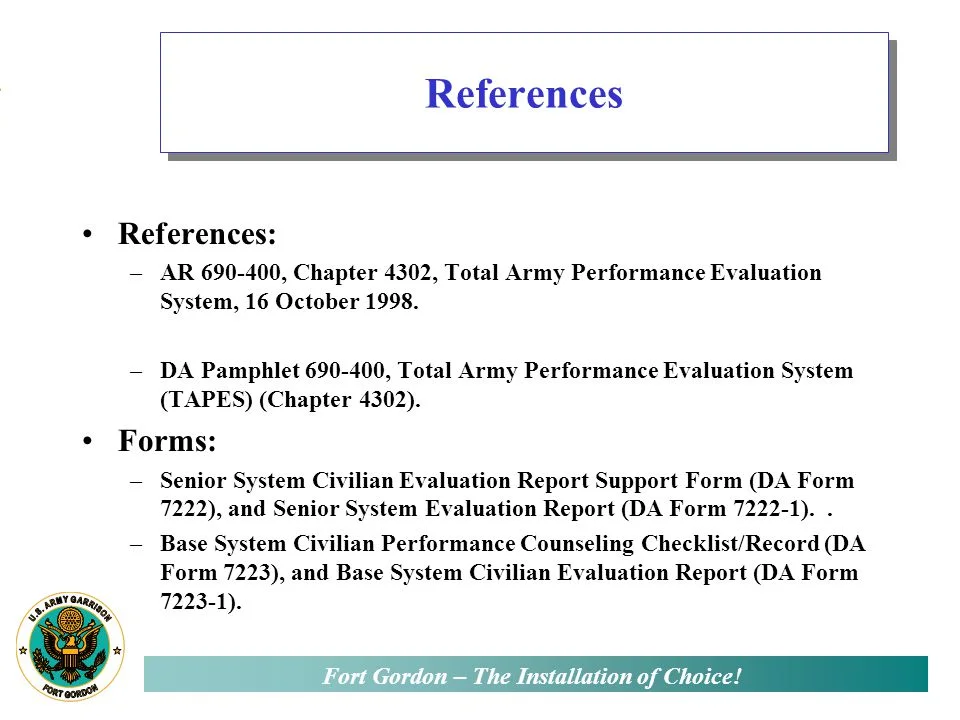
Personnel records can also contain errors that complicate verification. Veterans who are reviewing their wider administrative history may find a guide to NCOER application useful when checking whether service documents are complete and consistent.
Locate An Authorized ID Card Office
DoD identification cards are normally issued through a RAPIDS site or another authorized ID Card Office. Use the official ID Card Office Online locator to find a suitable location and determine whether appointments are available. A US embassy or consulate may provide information, but it will not necessarily print the card.
For someone in Australia, the nearest practical location may not be nearby. Sydney and Melbourne residents should check US military liaison channels and installation access procedures before making arrangements. A person in Adelaide, Perth, or Darwin may face longer travel and should combine the visit with other planned US administrative business.
Australian everyday habits can create small but important differences. Many people rely on mobile identity documents, electronic Medicare records, or Australia Post-certified copies, while a US ID office may insist on physical originals. Call ahead, ask about acceptable Australian documents, and allow time for security screening and entry procedures at a US facility.
Attend The Appointment And Enrolment
At the appointment, staff normally verify identity, confirm eligibility, review the VA documentation, and enrol or update the person in DEERS. The process may include photographs, fingerprints, and an electronic signature. Bring every document requested in the appointment confirmation, even if the VA has already sent information electronically.
The veteran should state clearly that the request concerns a disability-related DoD identification card and provide the current VA status letter. If the office cannot verify the eligibility category, ask what specific record or letter is missing rather than leaving with an informal explanation. Request the name of the office, the reason for the decision, and the next document needed.
The card’s privileges may be narrower than expected. Access to a US commissary or exchange can depend on installation rules, local agreements, and whether the veteran is accompanied. A card does not guarantee entry to every base, and it is not an Australian security credential.
Keep Records Current And Use Benefits Carefully
A disability rating can be reviewed, changed, or reclassified. Keep the VA decision letters, benefits verification letters, DD-214, and card correspondence in a secure folder. Store encrypted digital copies as a backup, but keep the originals available for future identity checks.
The same record-checking discipline helps with other Army administrative matters. Veterans who still manage personnel documents may want to check promotion points or review historical evaluation paperwork, especially when a discrepancy affects retirement or benefit records.
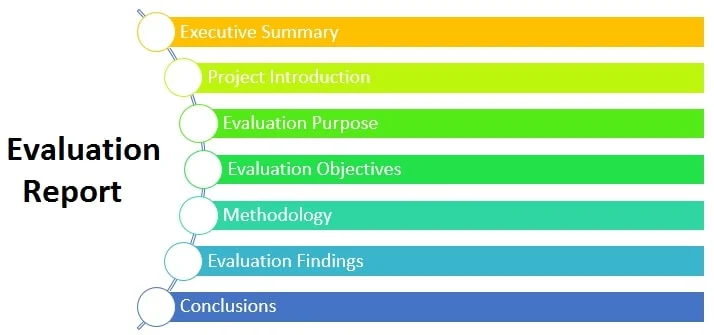
Before signing or submitting any document that could affect the service record, read every line and compare dates, duty information, and personal details with official files. A practical OER review guide can help former officers understand the importance of checking evaluation records, even after leaving active service.
Australian residents should also consider privacy and travel arrangements. The Privacy Act 1988 governs much personal information held in Australia, but US military offices follow US and DoD rules for their systems. Avoid emailing sensitive documents to unofficial addresses, and do not post VA letters or identification details in public veteran forums. The Australian dollar exchange rate, international postage costs, and long travel distances can make a second appointment expensive, so careful preparation is worthwhile.