How to Get a Dependent ID Card for Your Spouse
A dependent ID card allows an eligible military spouse to access authorized benefits, facilities, medical services, and other programs connected to the service member’s status. The card is generally issued through the Defense Enrollment Eligibility Reporting System (DEERS) and produced at a Real-Time Automated Personnel Identification System (RAPIDS) site.
The service member usually sponsors the enrollment, although an authorized representative may complete some steps when the sponsor cannot attend. Requirements can vary by installation, so checking the appointment office’s instructions before traveling can prevent delays.
This guide covers the documents, enrollment process, appointment requirements, and follow-up actions involved in obtaining a military dependent identification card. It is general information rather than official Army guidance, so confirm current rules with a personnel office or ID card facility.
Confirm Eligibility In DEERS
A spouse must be legally recognized as the service member’s dependent before an ID card can be issued. The marriage must be recorded in DEERS, which is the central system used to verify eligibility for military benefits. If the marriage has not been added, the sponsor should contact the appropriate personnel or military identification office first.
The sponsor’s status also affects the type and duration of benefits available. Active-duty members, National Guard and Reserve members, retirees, and certain other eligible categories may follow different procedures. A spouse may receive a DD Form 1173, United States Uniformed Services Identification and Privilege Card, once eligibility is confirmed.
Keeping personal information current is important. A change in name, marital status, address, or eligibility category should be reported promptly because inaccurate DEERS data can affect healthcare access and other benefits.
Gather The Required Documents
The exact document list can differ by service branch and location, but the spouse will commonly need an original or certified marriage certificate. The sponsor should also bring a valid military ID, and the spouse should bring acceptable identity documents, such as a passport, driver’s license, or certified birth certificate.
Some offices require two forms of identification, with at least one containing a photograph. A Social Security card or other document showing the Social Security number may also be requested. Documents written in another language may need a certified English translation, and foreign marriage documents may require additional validation.
Before the appointment, review the installation’s accepted-document list. Names and dates should match across all records. A discrepancy between the marriage certificate, passport, and DEERS record can require additional verification or a return visit.
Schedule A RAPIDS Appointment
Use the official ID card appointment system or contact a nearby RAPIDS site to find availability. Many facilities require appointments, while some offer limited walk-in hours. The sponsor and spouse should attend together unless the office confirms that a power of attorney or another authorization is acceptable.
Choose a location that can support the required transaction. Some offices handle only renewals, while others can add dependents, update DEERS records, or issue first-time cards. Bring every original document requested, even if some information appears in existing military records.
At the appointment, personnel verify the relationship, confirm eligibility, capture the spouse’s photograph, and issue the card when the record is complete. The spouse may also establish or update a personal identification number and sign required forms.
Know What Happens During Enrollment
The ID card office first checks whether the spouse is already listed in DEERS. If the record is incomplete, the staff may need to enter the marriage information before producing the card. The process can take longer when records must be corrected or supporting documents require review.
The spouse should carefully check the printed card before leaving. Verify the name spelling, expiration date, and other visible information. Report errors immediately so the office can correct the record and determine whether a replacement card is necessary.
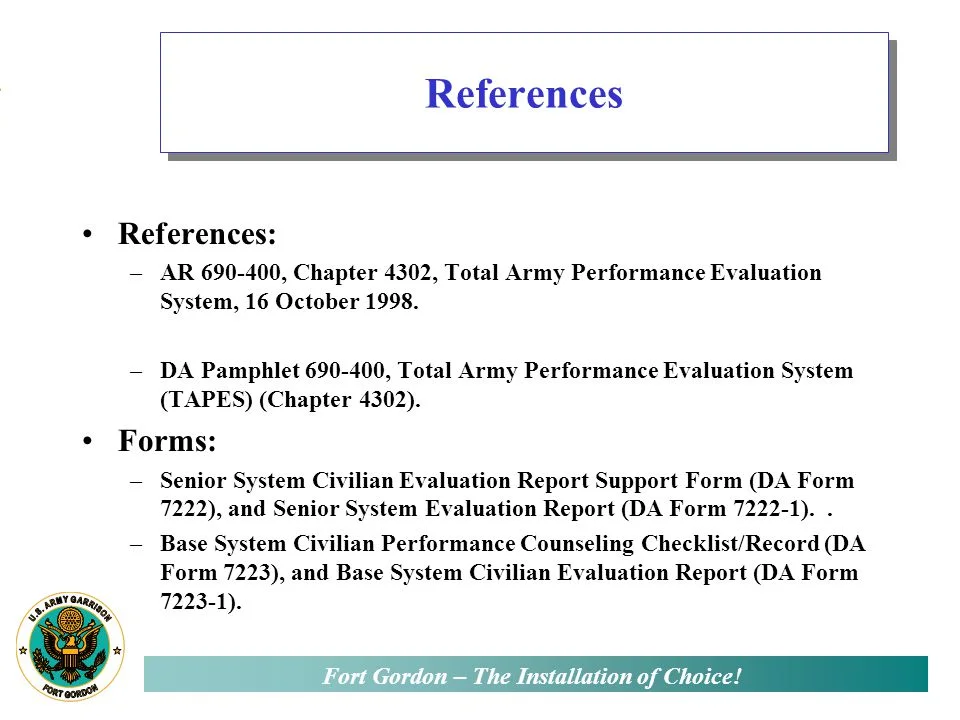
Military administrative records often connect to several systems. Soldiers managing broader personnel documentation may also benefit from Army evaluation guidance, particularly when reviewing how official records and supporting information are maintained.
| Situation |
Common action |
Documents or details to verify |
| First-time spouse enrollment |
Add the spouse to DEERS and issue a dependent card |
Certified marriage certificate, sponsor ID, spouse identification |
| Name change after marriage |
Update DEERS and request a replacement card |
Legal name-change document, updated identification |
| Expired card |
Renew eligibility and produce a new card |
Current ID, existing dependent card, updated records |
| Lost or damaged card |
Report the problem and request replacement |
Spouse identification and sponsor authorization if required |
| Remote or separated sponsor |
Ask the ID office about authorized alternatives |
Power of attorney, verified forms, or remote-enrollment instructions |
Handle Special Circumstances
If the sponsor is deployed, hospitalized, geographically separated, or otherwise unable to attend, the spouse should contact the RAPIDS site before scheduling. Some offices accept a valid general or specific power of attorney, while others require digitally signed documents or coordination through the sponsor’s unit.
A spouse who changes their legal name should update government identification and DEERS records before requesting a new card whenever possible. The marriage certificate alone may not establish the complete name-change trail required by the issuing office.
For a lost card, report it promptly and ask whether a temporary credential or replacement procedure is available. Do not assume that another installation will follow the same process. Written authorization and identity-verification rules can differ by office and eligibility status.
Keep Supporting Records Organized
Maintain copies of the marriage certificate, identification documents, power-of-attorney paperwork, and appointment correspondence in a secure location. Do not place sensitive documents in unsecured email or public file-sharing services. The spouse should also know where the sponsor stores key personnel records in case renewal or replacement becomes necessary.
When documents must be added to an official military record, follow the applicable system’s instructions carefully. Guidance on upload iPERMS documents can help service members understand the general process for submitting record materials, although an ID card office may use different systems and requirements.
Administrative disputes and record corrections should be documented with dates, office names, and copies of submitted paperwork. If a broader personnel record issue affects benefits or eligibility, reviewing navigating an NCOER appeal may provide useful context about preserving evidence and following formal military procedures.
Prepare For A Smooth Appointment
Use this checklist before visiting the ID card facility:
- Confirm that the marriage is recorded in DEERS or ask how to add it.
- Gather the original or certified marriage certificate and acceptable identification.
- Check whether the spouse needs one or two forms of ID, including a photo ID.
- Schedule with a RAPIDS office that handles dependent enrollment.
- Bring power-of-attorney documents if the sponsor cannot attend.
- Review the new card for spelling, dates, and other errors before leaving.
Start by verifying DEERS eligibility and contacting the nearest RAPIDS site for its current document requirements. Arriving with complete records and the correct authorization is the most reliable way to receive a spouse’s dependent ID card without an avoidable second appointment.