How to Get a Copy of Your DD-214 for VA Benefits
A DD-214, officially called the Certificate of Release or Discharge from Active Duty, summarizes a service member’s military career at separation. It usually lists dates of service, character of discharge, military occupational specialty, awards, deployments, and the separation code.
The document is commonly requested when applying for VA disability compensation, education assistance, home loan eligibility, health care, employment preferences, or other veteran benefits. The VA can often verify military service through its own systems, but having an accurate copy can make an application easier to document.
Several offices may be able to provide the record, depending on when and where you separated. Start with the fastest sources available to you, then use an official records request if those options do not work.
Check Your Existing Military Records
Before submitting a new request, search personal files, secure cloud storage, email attachments, and paperwork received during out-processing. Many veterans received multiple DD-214 copies, including a member copy and a copy intended for the Department of Veterans Affairs.
Army personnel may also find separation documents in their official military personnel record. Access depends on current system availability and your status, so a missing file in one portal does not necessarily mean the record was lost. If you recently changed units, reviewing guidance on how to transfer your iPERMS record may help you understand how Army documents are organized and moved.
Keep the original document in a secure location and use a scan or certified copy when an agency requests supporting evidence. A clear copy should show every page, including the character-of-service and separation information.
Request Records Through the National Archives
The National Personnel Records Center is a primary source for veterans seeking older military service records. You can submit a request online through eVetRecs or use Standard Form 180, Request Pertaining to Military Records. The request should identify you clearly and state that you need a copy of your DD-214 for VA benefits.
Include your full name used during service, Social Security number or service number, branch, dates of service, date and place of birth, and last duty station when available. Sign the request if a signature is required. Missing identifying details can make it harder for staff to locate the correct file.
Veterans generally have broader access to their own records than members of the public. Records involving privacy restrictions may require proof of identity or authorization. If the request involves a deceased veteran, next of kin may need to provide additional documentation.
Compare the Main Ways to Obtain the Document
The best method depends on whether you need a routine copy, a fast copy for an active claim, or a replacement for a damaged document. A county or state veterans service office may also help prepare a request at no cost, particularly when a veteran is already working with an accredited representative.
| Source |
Best use |
Information to prepare |
Typical consideration |
| Personal files |
Fastest option when available |
Existing DD-214 or scanned copy |
Check that all pages are readable |
| Army personnel records |
Recent Army service and separation documents |
Login credentials and service information |
Access and document availability can vary |
| National Archives or NPRC |
Official replacement or historical record |
SF-180 or online request details |
Processing time may vary |
| VA or accredited representative |
Supporting a current VA claim |
Claim information and authorization |
The VA may verify service independently |
| County or state veterans office |
Help with forms and benefits |
Identification and service details |
Services and appointment policies differ |
When comparing copies, pay attention to the separation date, discharge characterization, and service periods. A short form or employment copy may omit information that a benefits office needs. If a form asks specifically for a “Member 4” copy, provide the version that contains the full separation details, when available.
Support a VA Benefits Application
A DD-214 can support applications for disability compensation, pension, education benefits, health care, and housing programs. It helps establish qualifying service, but eligibility requirements differ by benefit. The VA may also request medical records, dependency documents, financial information, or evidence connecting a current condition to service.
If you do not have the DD-214 when filing, do not automatically delay a time-sensitive claim. Submit the application with accurate service details and explain that the separation document has been requested. The VA can often obtain or verify military service records, although providing your own copy may reduce follow-up requests.
Check that the character of discharge does not create a benefits issue. A general discharge may qualify for many benefits, while an other-than-honorable or punitive discharge can require a separate eligibility review. A veterans service organization or VA-accredited representative can explain how discharge status may affect a particular claim.
Keep Personnel Documents Consistent
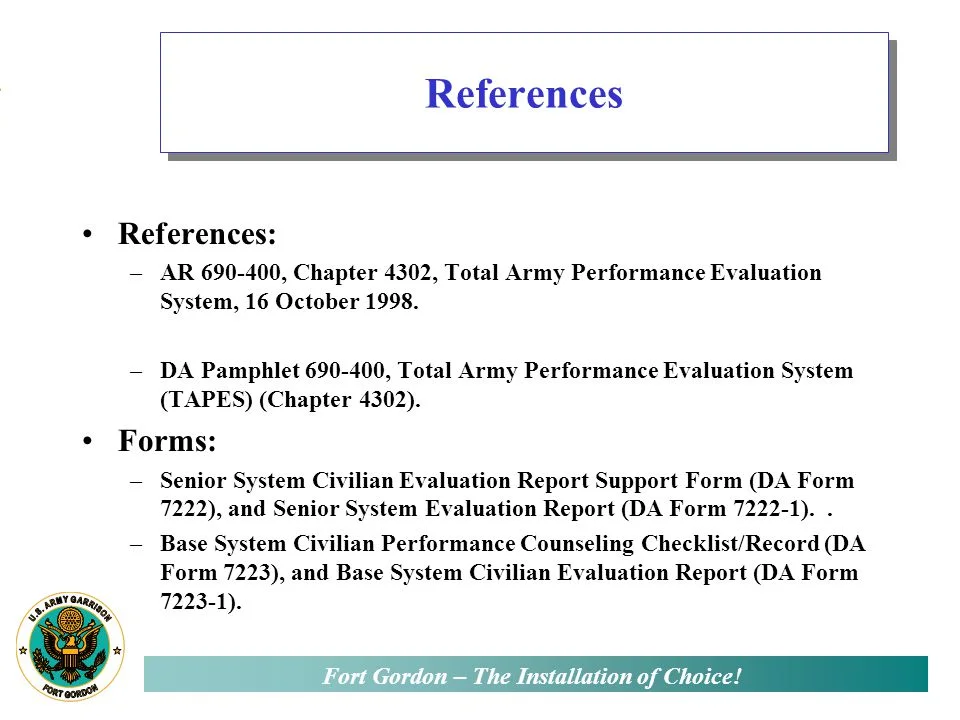
Errors in names, dates, awards, or duty information can appear across military records. Compare the DD-214 with your personnel file, medical records, orders, and prior benefits paperwork. If you are still serving, maintaining accurate administrative records is important; resources about signing an NCOER electronically illustrate why reviewing official personnel documents before submission matters.
Some veterans need more than a DD-214. Reserve and National Guard service may involve documents such as an NGB Form 22, separation orders, retirement points records, or active-duty orders. A VA benefits reviewer may request these records when the DD-214 does not cover every period of qualifying service.
Also distinguish between an NCOER, OER, and separation document. Evaluation reports describe performance, while the DD-214 verifies a period of release from active duty. Understanding the difference between OER and NCOER support forms can help prevent unrelated evaluation documents from being submitted as proof of discharge.
Prevent Delays and Protect Your Information
Use one consistent version of your legal name and service identifiers on every request. Review the completed form before sending it, and retain a copy of the request, confirmation number, mailing receipt, or online submission record. If a benefits deadline is approaching, document when you requested the DD-214 and notify the VA or representative handling your claim.
Avoid posting a DD-214 publicly or sending it through unsecured channels. The document may contain personally identifiable information, including a Social Security number or sensitive service details. Send it only through an official government portal, verified representative, or secure method requested by the agency.
- Search personal files and military record systems before starting a replacement request.
- Submit complete identifying information with an eVetRecs or SF-180 request.
- Give the VA your service dates and explain if the DD-214 is still being obtained.
- Compare the copy with other records and report apparent errors to the appropriate records office.
- Store a protected digital backup and a paper copy for future applications.
Begin by locating the copy you already have, then submit a properly completed records request if necessary. Keep the confirmation and provide the DD-214 through the VA’s secure application process or to an accredited representative when supporting your benefits claim.