How to File a Missing Document Request with iPERMS
iPERMS, the Interactive Personnel Electronic Records Management System, is the Army’s primary electronic repository for many personnel and career documents. A missing award, evaluation, training certificate, or separation record can affect promotion points, assignments, pay actions, and retirement preparation.
Filing a missing document request starts with identifying the exact record, confirming that it belongs in your Army Military Human Resource Record, and sending it through the correct administrative channel. The process may vary by unit and document type, so keep copies of everything you submit.
This guide explains how to prepare a request, where to send it, how to monitor the result, and what to do when a document is rejected or does not appear after submission.
Confirm What Is Missing
Sign in to iPERMS and review the appropriate record sections carefully. Search by document type, date, subject, and issuing organization. A document may be present under an unexpected category or may have been uploaded with an incorrect date or description.
Compare your iPERMS file with personal copies, your local personnel file, evaluation history, award records, and documents available through your unit S1 or human resources office. Check whether the issue is a missing document, a duplicate upload, an unreadable image, or an incorrect filing location.
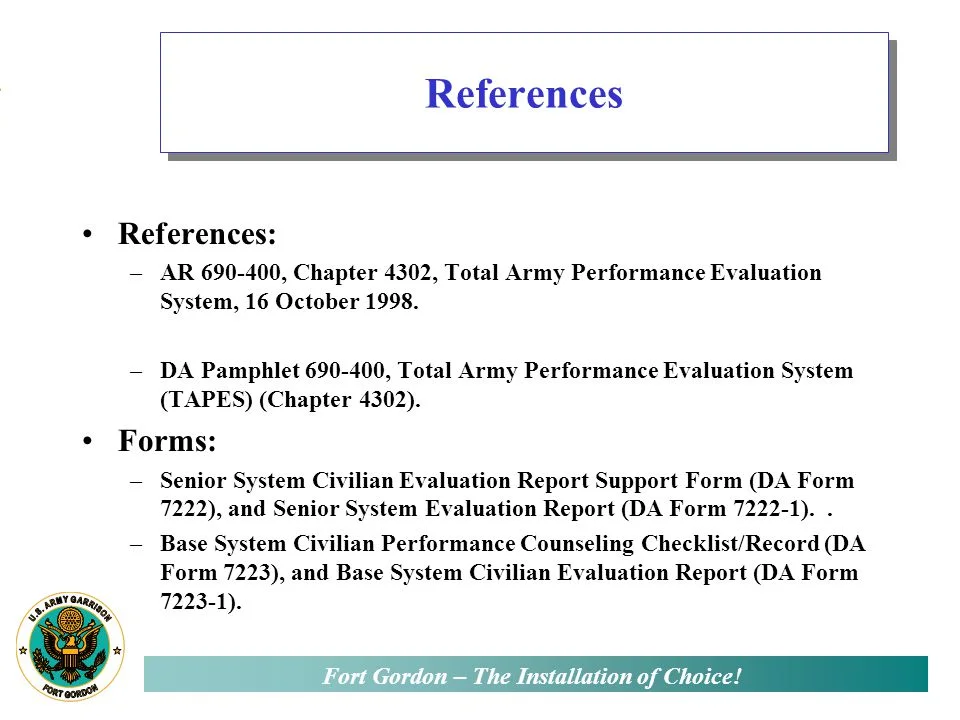
The document may also require action outside iPERMS. For example, an evaluation that was never completed or authenticated may need correction through the evaluation support process before it can be filed. Understanding the rating chain can help when an NCOER or OER problem involves the rater, senior rater, or supplementary reviewer; the rating chain guide provides related administrative context.
Gather Supporting Evidence
A strong request includes a clear copy of the missing record whenever possible. Use the original PDF or a high-quality scan. Make sure every page is visible, signatures are readable, and the document is not password protected or damaged.
Collect supporting information that helps the records specialist validate the submission. Useful details can include your full name, rank, military identification number, unit, document title, effective date, issuing authority, and the approximate date it should have entered your record. Do not send unnecessary sensitive information through an unsecured channel.
If the document has multiple pages or attachments, keep them together in the proper order. For an award, include the certificate and citation if both are part of the official record. For an evaluation, retain the complete signed form and any required authentication or correction paperwork.
Submit Through the Correct Channel
Most soldiers should begin with their unit S1, servicing military personnel division, or another authorized records manager. Explain that you are requesting the document be added to your Army personnel record in iPERMS, and provide the document and identifying details in the format the office requires.
Some personnel may have an approved self-service submission route or a designated agency for specific records. Follow the current instructions provided by your unit or servicing human resources office rather than sending the same request repeatedly through unrelated channels. The receiving office may need to validate the document before forwarding it for upload.
Keep a dated copy of the email, ticket, form, or transmittal used to submit the request. Ask for a case number or acknowledgment when available. A simple request should state what is missing, why it belongs in the official record, what evidence is attached, and how you can be contacted.
| Request detail |
What to provide |
Why it matters |
| Soldier identification |
Name, rank, and approved identifying information |
Helps match the record to the correct service member |
| Missing record |
Document title, date, and issuing office |
Defines exactly what needs to be located or uploaded |
| Supporting file |
Complete, legible PDF or scan |
Allows the records office to review and process the request |
| Impacted action |
Promotion, separation, assignment, or personnel update |
Helps establish urgency when deadlines apply |
| Submission proof |
Email, ticket number, or acknowledgment |
Creates a record for follow-up and escalation |
Track Processing And Verify Filing
After submitting the request, allow the servicing office time to review and forward the record. Processing speed can depend on document type, staffing, system availability, and whether corrections or authentication are required.
Check iPERMS periodically rather than relying only on an email notification. Once the document appears, open it and verify that every page is readable and that the document is associated with the correct record section. Confirm that the name, date, rank, and document type are accurate.
If the record does not appear after the stated processing period, follow up using the original case number or submission trail. Include the date of the first request and attach the prior acknowledgment. Avoid creating multiple versions of the same request unless the records office directs you to do so, since duplicates can complicate record maintenance.
EES Army’s Army records resources can also provide broader background on military administrative records and related personnel actions. Use general online guidance to prepare, but rely on your servicing personnel office for current submission instructions.
Handle Rejections And Incorrect Records
A rejected upload does not always mean the document is invalid. It may be incomplete, illegible, incorrectly signed, assigned to the wrong category, or missing required supporting pages. Read the rejection explanation carefully and correct the specific issue identified.
If the document contains an error, determine whether it is an administrative filing problem or a substantive correction. A wrong date or missing page may be resolved through the records office. An inaccurate evaluation, award, or service entry may require review by the issuing authority, chain of command, or a formal correction process.
For evaluation-related problems, keep the original form, counseling records, correspondence, and any evidence supporting the correction. A guide to an AER correction process may help explain the type of documentation commonly needed when an evaluation record is incomplete.
Protect Deadlines And Career Records
Do not wait until a promotion board, separation date, or retirement transition is imminent. iPERMS corrections can require coordination between the soldier, unit administrators, records custodians, and the organization that created the document.
Review your record before important career events and keep a personal archive of awards, evaluations, training certificates, orders, and separation paperwork. Personal copies do not replace the official record, but they make it easier to prove what is missing and reconstruct the submission history.
Use these practices when preparing a missing-document request:
- Identify the exact document and record section before submitting anything.
- Provide a complete, legible copy with supporting pages and signatures.
- Send the request through your unit S1 or authorized records manager.
- Save the original request, attachments, acknowledgment, and case number.
- Verify the document in iPERMS after processing and report any remaining error promptly.
A carefully prepared request gives the records office enough information to act without unnecessary delays. Begin by reviewing your iPERMS record, gather the supporting file, and submit a documented request through the appropriate Army personnel channel.