Calculating Promotion Points on the Path to First Sergeant
The phrase “promotion points for 1SG” can be misleading because first sergeant is a duty position, not a separate enlisted rank. A first sergeant normally serves in an E-8 position, while the promotion process is tied to master sergeant eligibility, centralized boards, and command selection procedures.
For that reason, there is no single point threshold that guarantees selection as a 1SG. A soldier may need a competitive record for promotion to master sergeant, followed by consideration for a first sergeant assignment or slate. The exact process depends on the career field, component, command, and current Army guidance.
A useful calculation begins with identifying the correct promotion pathway. Junior enlisted promotion points are different from the records reviewed for senior NCO advancement. Reviewing the Army’s current rules, your Soldier Talent Profile, evaluation history, and personnel file can prevent a misleading score from shaping your career plan.
Understand What 1SG Selection Means
First sergeant is a leadership assignment associated with responsibility for a company, battery, troop, or similar organization. The rank normally associated with the position is master sergeant, although an eligible promotable sergeant first class may sometimes be considered under applicable assignment policies.
Promotion points can support advancement to E-8, but they do not automatically place an NCO into a first sergeant position. The Army may consider leadership performance, assignments, military education, disciplinary history, evaluations, qualifications, and the needs of the organization when filling the role.
Identify Your Actual Promotion Category
The first step is determining whether you are calculating points for a junior enlisted promotion or preparing for a senior NCO board. The Army’s point-based system is generally associated with promotion to ranks such as sergeant, staff sergeant, or sergeant first class. Master sergeant and sergeant major advancement is normally managed through centralized selection procedures rather than a simple monthly cutoff score.
If you are a promotable SFC seeking a first sergeant assignment, your promotion points may be relevant to your earlier advancement, but they are not the complete measure of your 1SG competitiveness. If you are already an MSG, your focus should shift toward the quality and completeness of your official record and your command’s slating process.
Review the Categories That Build Your Record
For point-based promotions, common categories include military training, civilian education, awards and decorations, physical fitness, weapons qualification, and other achievements authorized by current policy. The value of each item can change when Army regulations or implementation guidance changes, so old worksheets should not be treated as permanent references.
For the 1SG path, the most important records often extend beyond a calculated total. NCOERs should show increasing responsibility, sound stewardship, organizational results, counseling skills, and successful leadership at higher levels. PME completion, broadening assignments, instructor or observer-controller experience, and relevant functional qualifications may also strengthen the file.
Verify Records Before Counting Anything
A promotion calculation is only as reliable as the documents supporting it. Check your official military personnel file, iPERMS, Army Training Requirements and Resources System records, awards history, civilian transcripts, and evaluation documents. Confirm that names, dates, identification numbers, duty titles, and completion dates are correct.
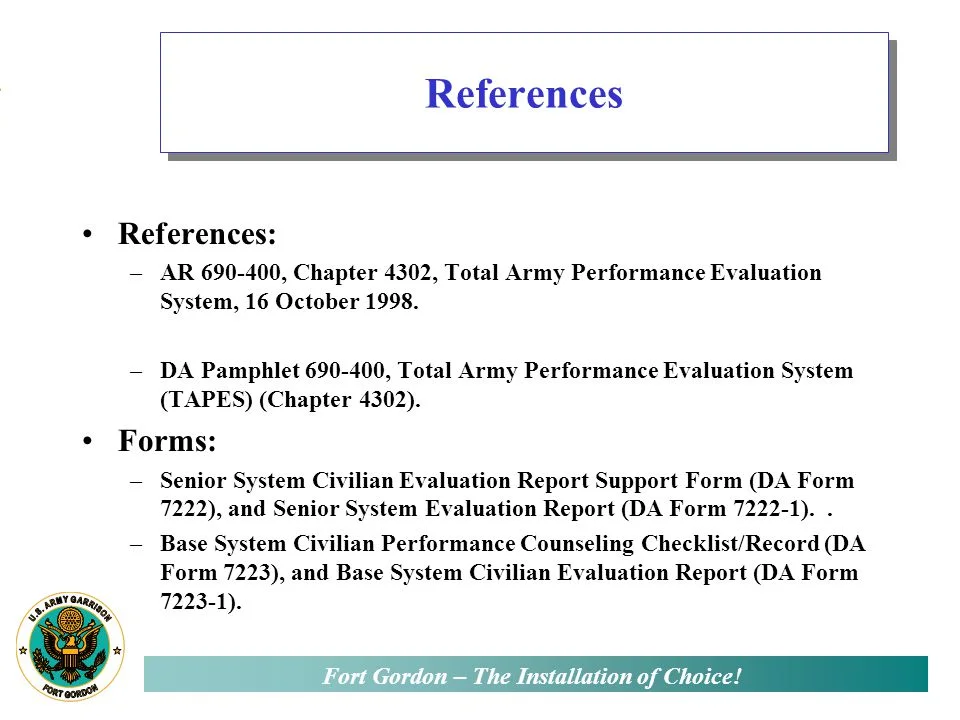
An incomplete evaluation or missing supporting document can affect both administrative scoring and the board’s view of your record. If an AER or other evaluation contains an error, review a practical AER correction guide before submitting a correction request. Keep copies of every form, endorsement, appeal, and receipt.
| Record area |
What to verify |
Why it matters for the 1SG path |
| Military education |
PME completion, resident courses, and validated training |
Demonstrates preparation for increasing responsibility |
| Civilian education |
Transcripts, degree completion, and credit hours |
May contribute to point-based promotions and board strength |
| Evaluations |
NCOER accuracy, senior rater comments, and rating history |
Shows leadership potential and performance progression |
| Awards and assignments |
Decorations, command roles, special duties, and broadening experience |
Documents recognition and operational breadth |
| Personnel records |
Rank, dates, MOS, qualifications, and administrative data |
Prevents errors that can delay or weaken consideration |
Use the Correct Promotion Worksheet
When a point-based promotion applies, use the current Enlisted Promotion Point Worksheet or the official personnel system designated by the Army. Enter only eligible achievements supported by documentation. Do not award yourself points for a course, badge, certificate, or award until you confirm that it is recognized under the current rules for your grade and component.
The worksheet should be treated as an audit tool rather than a prediction. Compare the displayed information with source documents, then ask your S-1, career counselor, or servicing personnel office to resolve discrepancies. The official Army site and related administrative resources can help you locate current guidance; EES Army guidance can also provide general explanations of NCOERs, promotion records, and personnel documentation.
Separate Eligibility From Competitiveness
Eligibility answers whether you meet the administrative requirements to be considered. Competitiveness answers how your record compares with other qualified NCOs. A strong point total cannot compensate for an incomplete record, missing PME, adverse information, weak senior-rater narrative, or inconsistent performance history.
For first sergeant consideration, examine the record as a commander or board member might see it. Look for a clear progression from team-level leadership to platoon, operations, first sergeant, or other positions of increasing scope. Ensure that evaluations explain measurable results, not just duties, and that awards and assignments support the leadership story shown throughout the file.
Build a Practical Calculation and Review Routine
Begin with the promotion requirement that actually applies to you, then create a spreadsheet with the authorized categories, the claimed value, the supporting document, and the date it was verified. Mark uncertain entries for review instead of adding them to the total. This method makes it easier to identify missing records and explain discrepancies to personnel officials.
Use these actions to keep your career record ready:
- Confirm whether your goal is promotion to MSG, selection for a 1SG assignment, or both.
- Pull your latest official record and compare every major entry with your personal documents.
- Verify PME, civilian education, awards, qualifications, and evaluation dates.
- Ask your S-1 or career counselor to validate disputed promotion entries.
- Review current Army policy before relying on an older point worksheet or online calculator.
A precise number is useful only when it belongs to the correct promotion system. Start by identifying your eligibility category, validate every supporting record, and then assess the broader leadership profile expected of a first sergeant. Regularly reviewing your file through official personnel channels and reliable Army administrative resources will give you a clearer, more defensible path toward MSG promotion and 1SG selection.