How to calculate promotion points after basic combat training
Graduating from Basic Combat Training (BCT) is an important milestone, but it does not automatically create a large promotion-point balance. A new Soldier’s eligibility depends on rank, time in service, time in grade, military qualifications, education, awards, physical fitness results and the promotion system currently in effect.
For a Soldier living in Australia, the process can feel less familiar because U.S. Army administration operates separately from Australian Defence Force procedures. Whether the Soldier is stationed near Sydney, Brisbane or another location, the safest method is to use the official Army records system, confirm the current requirements with the unit and keep supporting documents from Australian schools or training providers.
Know which promotion applies
BCT graduates usually enter service as a private or private first class, depending on enlistment qualifications and Army policy. Advancement to private second class, private first class and specialist or corporal is generally driven by time in service, time in grade, performance and commander actions rather than a competitive points total.
Promotion points become especially important when competing for promotion to sergeant or staff sergeant. At that stage, a Soldier’s Promotion Point Worksheet (PPW) brings together several categories. The required score is not fixed forever; it can change with Army policy, the military occupational specialty (MOS), available vacancies and the monthly cutoff score.
A BCT diploma should therefore be treated as proof of completed initial training, not as a guarantee of a specific promotion score. A graduate may receive credit in a military-training category when the current worksheet permits it, but the exact value must be checked in the applicable Army system.
Separate eligibility from the points total
The first calculation is not arithmetic. It is a check that the Soldier is eligible for the promotion pathway. Confirm the current rank, date of rank, total active federal service, required schools, medical readiness and any flags or adverse actions that could suspend favourable personnel actions.
A Soldier who has just completed BCT may still need advanced individual training, an MOS qualification or a minimum time requirement before competing for a higher grade. Time spent waiting for orders, attending training or moving between locations does not always create the same promotion opportunities as completed, documented service.
For junior enlisted promotions, commanders may have limited waiver authority under current rules. That means a Soldier in Perth or Melbourne should not rely on an informal estimate from another unit or an old social-media post. The unit S-1, career counsellor or current Army regulation should control the decision.
Build the promotion point worksheet
For a competitive promotion, gather every category shown on the current PPW. Common areas include military training, civilian education, awards and decorations, physical fitness, weapons qualification, leadership courses and board results. Some systems also apply limits within each category, so extra achievements may not increase the final score after the cap is reached.
BCT may contribute to the military-training record, but it is only one part of the calculation. Advanced Individual Training, Airborne School, Ranger training, the Basic Leader Course and approved technical courses may carry different values. Do not add points for a course until the personnel office confirms that it is authorised, completed and entered correctly.
Civilian education can be particularly important for Soldiers using Australian study options. A TAFE certificate, diploma or university subject may need an official transcript, an evaluation or a determination that the programme fits Army rules. The Australian Qualifications Framework helps describe local awards, but it does not automatically decide how the U.S. Army will credit them. Keep certified records and ask the education centre about acceptable documentation.
A simple working formula is:
Total promotion points = military training + civilian education + awards + fitness and weapons results + leadership or board points
The categories, maximums and terminology must come from the current worksheet. Avoid copying a calculation from a previous year because policy changes can remove, cap or reweight a category.
Verify records before asking for a correction
The score is only as reliable as the underlying records. Check the Soldier’s personnel file, training history, awards, weapons qualification, fitness data and education entries. A missing award or an incorrect course date can affect eligibility even when the Soldier performed well.
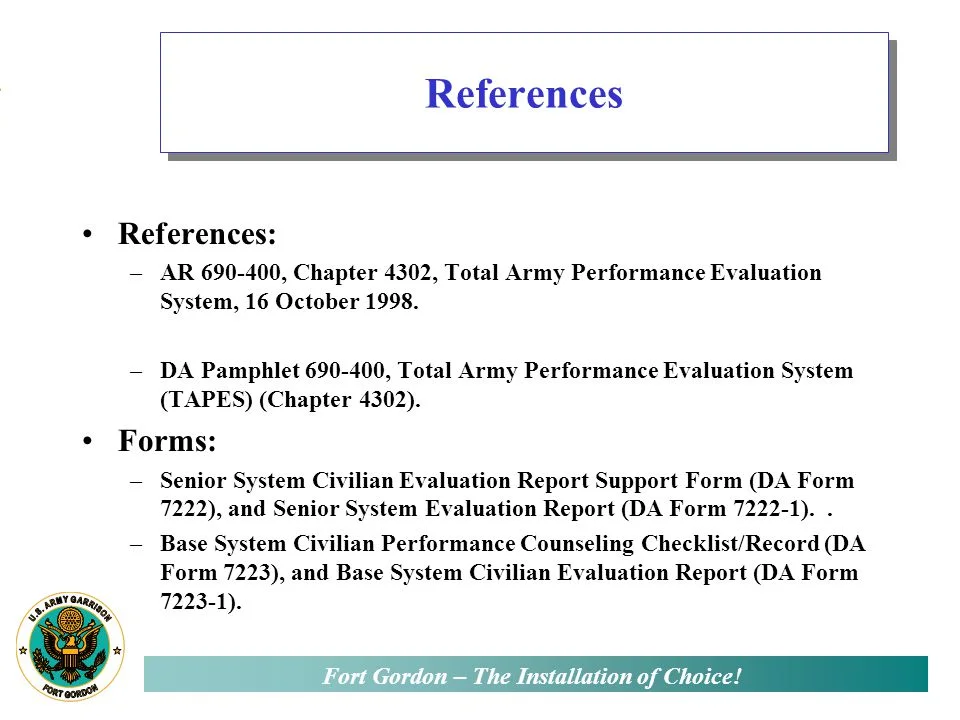
Administrative guidance from Army personnel resources can help explain related records, evaluation documents and common Army processes. The site is informational rather than an official government portal, so final decisions should come from the chain of command, S-1 or authorised Army systems.
Australian-based Soldiers should also allow for practical delays. A transcript from a TAFE campus in Adelaide or a university in Brisbane may need to be sent electronically, certified or reviewed across time zones. Australian privacy requirements, including obligations under the Privacy Act 1988, may affect how a school releases personal records, while Army documentation rules determine what the Soldier must submit.
Before requesting a recalculation, assemble:
- The latest PPW or promotion-point printout
- BCT and MOS training completion documents
- Certificates and transcripts from TAFE or Australian universities
- Award orders, weapons qualification records and fitness documentation
- The current date of rank and service information
- Written clarification from the unit S-1 when a category is disputed
Compare the likely promotion paths
The following comparison shows why a BCT graduate should distinguish automatic or semi-automatic junior enlisted advancement from competitive promotion. Exact requirements can change, so the current regulation and unit guidance remain decisive.
| Career stage |
Main basis for advancement |
Role of BCT |
Typical records to check |
| Private to PV2 |
Time in service and command eligibility |
Establishes initial training status |
Enlistment data, date entered service, flags |
| PV2 to PFC |
Time in service, time in grade and waivers where authorised |
Confirms completion of basic training |
Date of rank, training record, commander action |
| PFC to SPC/CPL |
Time requirements, performance and Army policy |
Provides the foundation for follow-on training |
MOS qualification, date of rank, conduct |
| SPC/CPL to SGT |
Competitive promotion points and eligibility |
Usually a limited component of military training credit |
PPW, awards, education, fitness, weapons, board |
| SGT to SSG |
Competitive points, NCO development and MOS vacancies |
Indirect relevance after later schools and leadership experience |
NCOERs, leadership courses, PPW and cutoff score |
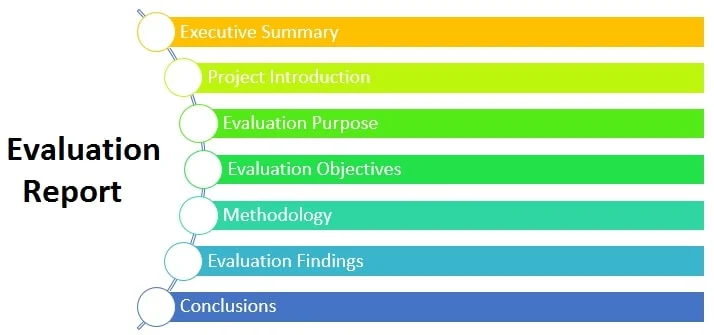
Noncommissioned officer evaluation reports can affect a later promotion record, so Soldiers should review their evaluation history and understand how reports are processed. The NCOER application may provide background on evaluation administration, but it does not replace official Army systems or the unit’s review process.
The most dependable calculation combines a current PPW with verified source documents. BCT is the beginning of the record, not the entire promotion case. Accurate dates, recognised education, completed leadership training and properly posted awards create a stronger basis for a fair score than an estimate based on graduation alone.