How to Apply for a Retiree ID Card at a RAPIDS Office
A retiree identification card provides continued access to eligible military installations, commissaries, exchanges, medical facilities, and other authorized services. The card is issued through the Defense Enrollment Eligibility Reporting System (DEERS) at a Real-Time Automated Personnel Identification System (RAPIDS) site.
The process is usually straightforward, but preparation matters. Eligibility records must be current, the appointment must be made at an appropriate location, and required identity documents must match the information in DEERS. Requirements can vary according to whether you are the retired sponsor, a spouse, a dependent, or an eligible survivor.
RAPIDS offices are official Department of Defense facilities, while informational websites such as EES Army provide general guidance rather than issuing identification cards. Always check the selected installation’s instructions before traveling.
Confirm Your Retiree Eligibility
A retired service member generally becomes eligible for a Uniformed Services identification card after completing qualifying military service and receiving an approved retirement status. The Defense Finance and Accounting Service record, retirement orders, or other official personnel records may help establish eligibility if the status is not yet visible in DEERS.
If your retirement is recent, allow time for records to transfer from the personnel system into DEERS. A RAPIDS clerk may be unable to issue the card if the retirement action, separation data, or eligibility information has not posted. Contact the appropriate military personnel, human resources, or benefits office before booking an appointment if your status appears incomplete.
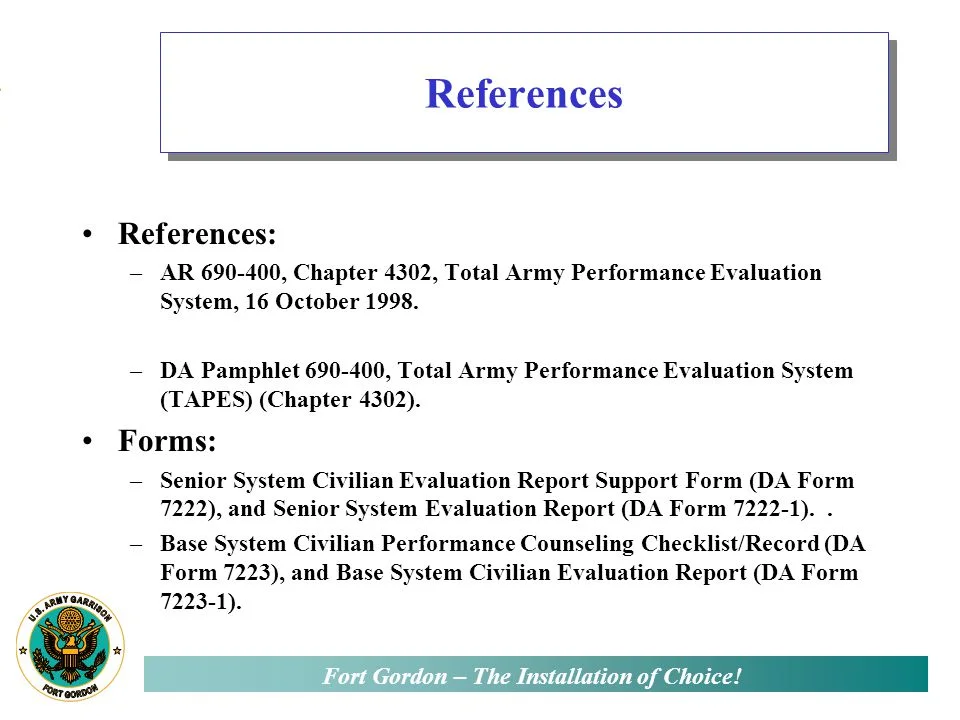
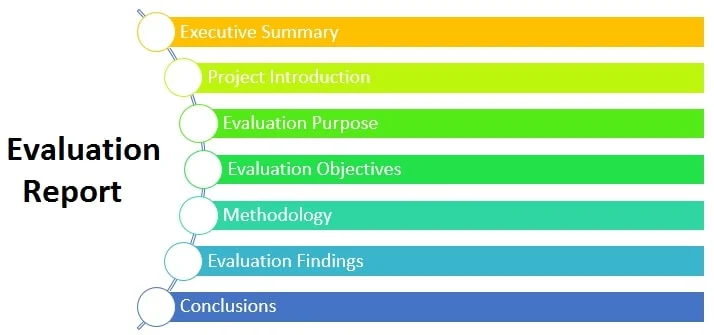
Retirees should also review their personal data before visiting. Differences in legal name, date of birth, Social Security number, or marital status can create delays. Administrative preparation habits used for evaluation records, such as those described in this evaluation records guide, can be useful when organizing supporting documents, although an OER system does not issue retiree identification cards.
Gather Required Documents
Bring original documents or acceptable certified copies whenever possible. A RAPIDS facility normally requires identity documents that satisfy federal identification standards, such as a valid state driver’s license, U.S. passport, or other government-issued photo identification. Some facilities require two forms of identification, so verify the local policy before the appointment.
Take retirement orders, a DD Form 214, or other proof of retired status if available. These records may be especially helpful when the DEERS record is new, recently corrected, or not fully synchronized. A Social Security card or another document showing the full Social Security number may also be useful when requested for identity verification.
Spouses and dependents need documentation establishing their relationship to the sponsor. Examples can include a marriage certificate, birth certificate, adoption record, or court order. Name-change documents should accompany records that use a different legal name. Do not assume that a previous military ID card alone will replace current eligibility and identity documents.
Choose And Schedule A RAPIDS Appointment
Use the official RAPIDS Site Locator to identify a nearby office that serves retirees. Search by location and review the facility’s services, hours, appointment rules, and contact information. Some sites handle retiree cards, dependent cards, and replacement cards, while others may limit appointments to active-duty personnel or specific categories.
Appointments are commonly required, and availability may be limited at busy installations. Select the correct appointment type, such as a new retiree card, renewal, replacement, or dependent ID card. If the site offers several offices, check whether the appointment is at a personnel center, visitor control facility, or another building on the installation.
Ask about installation access before arriving. A retiree may be able to enter with an existing military ID, but a visitor without valid credentials may need a gate pass, escort, or advance visitor registration. Arrive early enough to allow time for security screening and parking.
What Happens During The Visit
At the appointment, the technician verifies identity and eligibility in DEERS, reviews documents, and captures the required photograph. Depending on the card type and local equipment, the office may also collect a signature or biometric information. Make sure your name and other details are correct on the screen before approving the record.
The technician will determine whether the card is a new issue, renewal, replacement, or update. If the record contains an error, explain the problem and provide supporting documents. Some corrections can be completed at the RAPIDS office, while others must be handled by a personnel, finance, or records agency.
The retiree card is different from a Common Access Card issued to active-duty personnel and many civilian employees. Its privileges depend on the holder’s eligibility and current Department of Defense policy. It does not automatically grant access to every installation, restricted area, or service.
| Preparation Item |
Why It Matters |
What To Verify |
| Appointment confirmation |
Prevents an unnecessary trip |
Date, time, office, and appointment category |
| Government photo ID |
Establishes identity |
Name matches the DEERS record |
| Retirement proof |
Supports retired status |
Orders, DD Form 214, or other official record |
| Relationship documents |
Establishes dependent eligibility |
Marriage, birth, adoption, or court records |
| Installation access |
Allows entry to the base |
Gate rules, visitor pass, and arrival time |
Handle Problems Before Leaving
Review the printed or digital card information before departing. Check the name, expiration date, status, and other visible details. Report an error immediately rather than waiting until the card is needed for travel, medical care, or installation access.
If the office cannot issue the card, request a clear explanation of the missing requirement and the agency responsible for fixing it. The RAPIDS technician may direct you to a military personnel office, a records center, DEERS support, or another service provider. Keep copies of documents submitted and note any case or reference number.
Technical problems may involve appointment systems, login tools, or electronic records rather than the card itself. For general administrative troubleshooting, EES Army’s technical support guidance may provide useful background, but official RAPIDS and DEERS offices remain the proper source for ID-card decisions.
Keep Your Retiree Records Current
Report important life changes promptly. Marriage, divorce, death, adoption, legal name changes, and changes in dependency status can affect eligibility and the information printed on an identification card. Updating DEERS helps prevent problems with benefits and access privileges.
Protect the card as carefully as any government credential. Do not lend it to another person, photograph or share unnecessary identifying details, or leave it unsecured. Report a lost, stolen, damaged, or compromised card to the appropriate RAPIDS office and follow its replacement instructions.
Appointment Preparation Checklist
- Confirm that your retirement status and personal information appear correctly in DEERS.
- Schedule a retiree or dependent ID appointment through the official RAPIDS Site Locator.
- Bring required photo identification, retirement documentation, and relationship records.
- Verify installation entry procedures, parking instructions, and appointment arrival times.
- Review the new card before leaving and ask how to correct any error.
Prepare your documents early, verify the RAPIDS office requirements, and use official military channels for eligibility or records questions. Taking these steps can make the retiree ID card appointment faster and reduce the chance of a return visit.