How to apply for a replacement military ID card after it expires
A lapsed military identification card can complicate everything from hospital visits to base access, so replacing it promptly protects both your benefits and your credibility as a service member or dependent. Most cardholders qualify for a renewal rather than a brand-new issue, which shortens the paperwork and reduces the signatures required. The process follows DEERS enrollment standards, and the same standards apply whether you are stateside or posted thousands of kilometres away. Because the system relies on real-time database checks, any renewal delay can ripple into pay, entitlements, and family member access as well.
For personnel based in Australia, the pathway runs through the U.S. Embassy in Canberra or one of the U.S. consulates in Sydney, Melbourne, or Perth. Joint facilities, including defence cooperation sites outside Darwin, also accept renewals through the servicing personnel office. Local time zones matter: appointments in Canberra are typically set in AEST, while Perth appointments align with AWST. Allow several weeks of lead time, especially around bilateral exercises when staff are travelling. If you commute by Australian toll roads, remember that an expired ID can complicate verification processes that piggyback on the card.
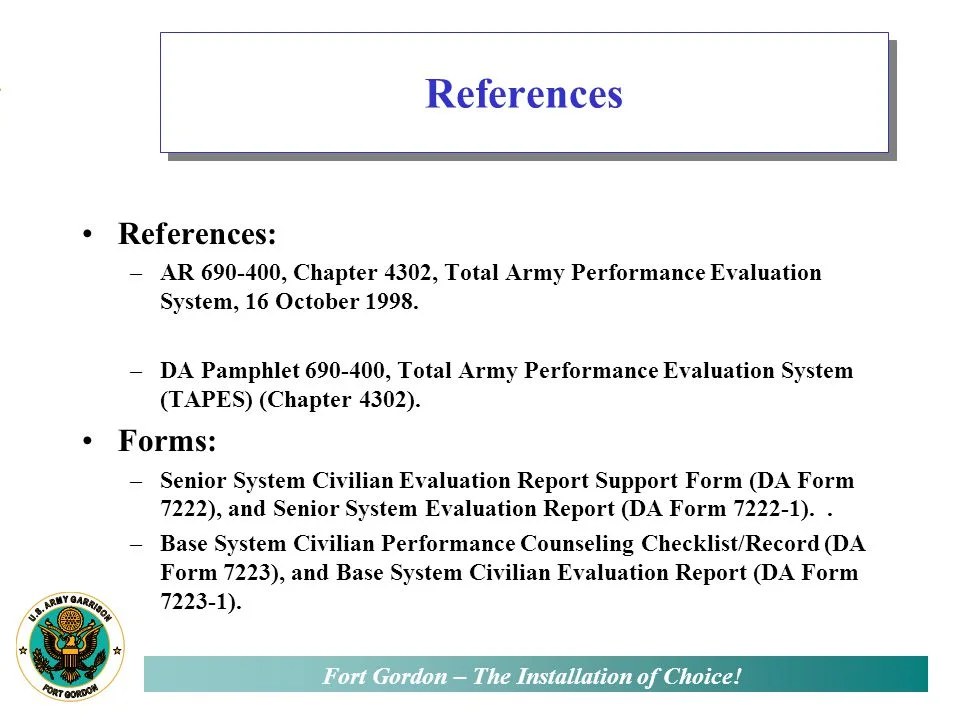
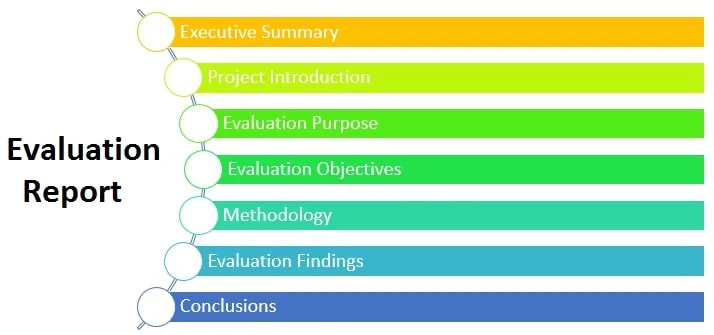
Beyond the physical card, several administrative records need to stay aligned. Soldiers preparing for upcoming NCOER or OER cycles should review their evaluation entries to confirm duty information is correct, and a quick update your unit information can prevent downstream errors that an expired card might otherwise expose.
Identifying your card type and eligibility
The first decision point is determining which kind of credential you hold. A Common Access Card (CAC) is issued to active-duty service members, DoD civilians, and selected contractors, while a Uniformed Services ID Card (USID) covers retirees, dependents, and certain Reserve members. The Veteran Health Identification Card (VHIC) is restricted to VA health-eligible veterans and behaves differently during renewal. Eligibility is verified against DEERS, so any changes in marital status, dependency, or rank should already be reflected before you request the replacement.
Eligibility rules differ for those permanently resident in Australia. Retirees who have settled in Brisbane, Adelaide, or Hobart can usually renew through the embassy or nearest consulate, provided their DEERS record is current. Dependents sometimes need additional documents, particularly if a sponsor has passed away or divorced, because the data flags attached to the record affect which transactions are permitted at the counter.
| Card type |
Typical holder |
Main use |
Renewal location |
| CAC |
Active-duty, DoD civilian, contractor |
Base entry, network access, signing |
RAPIDS site or overseas verification office |
| USID |
Retiree, dependent, Reservist |
Medical access, base entry privileges |
RAPIDS site, embassy, or consulate |
| VHIC |
VA-health-eligible veteran |
VA medical appointments only |
VA facility, sometimes embassy |
Locating the nearest verification site in Australia
The U.S. Embassy in Canberra sits on the diplomatic estate and runs a verification office by appointment. Sydney's consulate handles New South Wales residents, while Melbourne covers Victoria and Tasmania. Perth's office services Western Australia and the Indian Ocean territories. Defence cooperation liaison offices in Darwin, often linked to joint training activities, occasionally host mobile verification teams during peak rotation periods.
Smaller posts schedule verification only a few days each month, so travellers from regional Queensland or the Northern Territory often book a flight into a capital city rather than wait for a mobile team. Domestic Australian flights can be costly for last-minute bookings, so planning ahead is worth the effort. If you drive in from a regional centre, be aware that e-Tag lanes and toll-road cameras do not link to military databases, so an expired ID will not directly trigger a fine.
Preparing the required documentation
Pack two forms of identification, even though only one may be strictly required. A current driver's license, an Australian passport, or a Medicare card all serve as secondary identity proof for verification staff. Bring a printed DEERS record if you can pull one, along with the marriage certificate, divorce decree, or birth certificate that supports any dependent entries on the file. A small passport-style photo is occasionally helpful, although most sites photograph you on the spot for biometric capture.
If your previous card was stolen rather than expired, a police report helps. In Australia, that means contacting the local jurisdiction through the relevant state police service or, in some areas, the Australian Federal Police if the loss occurred in a Commonwealth place. Keep receipts for any travel costs tied to the appointment, because some cardholders can claim reimbursement through their servicing finance office.
Before you finalise the document set, double-check that nothing on your administrative file is flagged. A pending AER claim can stall a renewal if the system detects unresolved data. A quick review of how to fix an incomplete AER can save you a second trip to the office.
Attending the appointment and biometric capture
Arrive ten to fifteen minutes early, particularly if you are visiting the Canberra embassy, where security screening mirrors procedures used in Australian parliamentary buildings. You will be photographed, fingerprinted, and asked to verify personal data on screen. The verifier reads the data aloud, you confirm it, and a temporary card may be issued if the replacement cannot be printed the same day.
Family members are usually processed in the same appointment block, so children above a certain age may need their own slot if their biometrics are required. Retirees often bring grandchildren visiting on Australian school holidays to coordinate appointments, since Australian school calendars differ from U.S. district schedules.
After the card arrives: next steps
Once you receive the new card in the mail, sign the back immediately and store the activation email where you can find it. Test the card at a base access point, online login, or DEERS-dependent service before assuming everything works. If you discover an error on the card itself, return to the issuing office rather than mailing it back, since corrections are faster when handled face to face.
Destroy the old card by cutting through the chip and the magnetic stripe rather than throwing it into household recycling, which differs from Australian kerbside rules for sensitive electronics. Keep a copy of the renewal confirmation with your service records, because a future claim or audit might reference it.
Renewal checklist and common pitfalls to avoid
-
Book the appointment at least four weeks before the card actually expires.
-
Carry two photo IDs, even if only one is on the official checklist.
-
Bring marriage, birth, or divorce certificates if any dependent status has shifted.
-
Confirm DEERS contact details match your current Australian address.
-
Save embassy and consulate phone numbers in case of urgent travel.
-
Recheck evaluation entries so evaluation data stays consistent with the new card.
-
Photograph the front and back of the new card once it arrives for your own records.
-
Cut through the chip and magnetic stripe before discarding the expired card.
-
Avoid sharing the card number on websites that mirror Australian retail loyalty sign-ups.
-
Keep a printed copy of the appointment confirmation with your service file.
-
Test the card at base access and online login before assuming everything works.
-
Notify the verifier of any address change tied to a move between Australian states.