Double ball roulette side bets explained for online players
Double ball roulette is a roulette variant in which two balls are released on the same spin. Instead of waiting for a single winning number, players can often win when either ball lands on their chosen number, or when both balls produce a qualifying combination. This extra outcome changes the rhythm of the game and creates room for special wagers beyond standard red, black, odd, even, and number bets.
Side bets can make the layout more exciting, but they also require careful attention to payouts, rules, and the house edge. This guide explains how the format generally works, what to check before playing, and how it compares with Booongo’s 15 Dragon Pearls slot for Australian players.
What the double-ball format changes
In conventional roulette, one ball determines the result. A double-ball table produces two results on each spin, which may be settled separately or used together for combination wagers. The exact rules depend on the casino and software provider, so the game’s paytable should always be read before placing a bet.
A common attraction is that a straight-up number selection may have two chances to appear. However, that does not automatically make every wager profitable. The probability of specific combinations, such as both balls landing on the same number, can be much lower than the chance of either ball hitting a selected number.
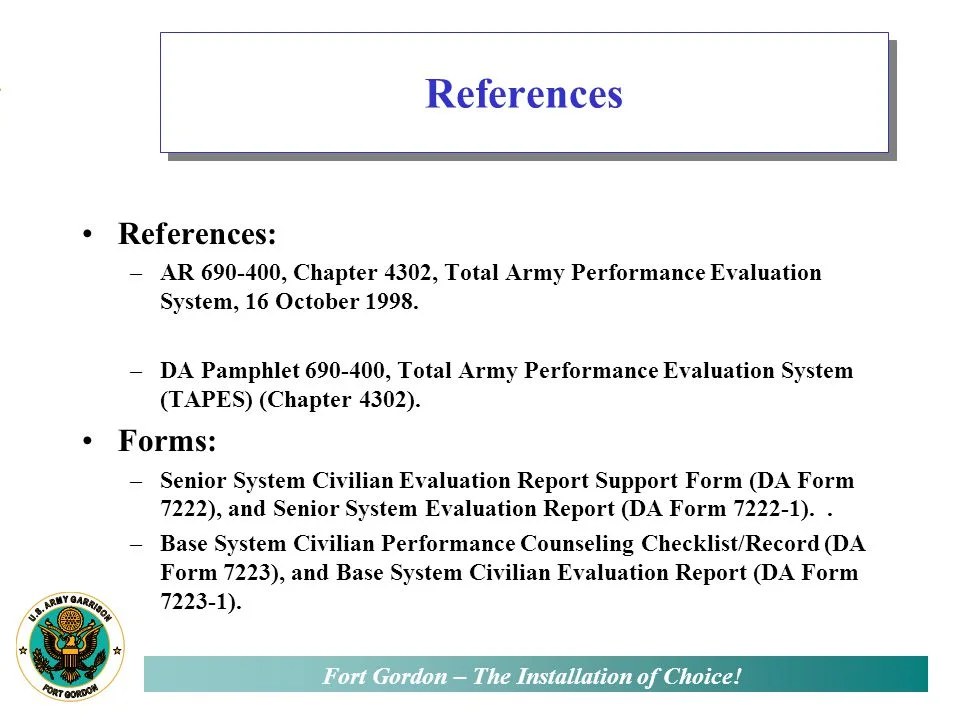
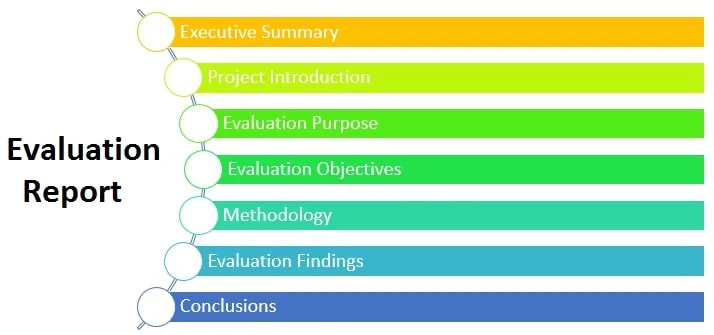
Players who prefer a methodical approach may find it useful to verify every rule in the same way they check administrative information. For Army personnel reviewing evaluation records, a rater profile guide shows the value of confirming details before submitting or relying on a record.
Common side wagers and payout logic
Double-ball roulette side bets can include matching-number wagers, colour combinations, total-number bets, and special outcomes such as both balls landing in the same section. Some versions also offer bets connected with neighbouring numbers or paired results. Because there is no universal ruleset, the label used by one casino may describe a different wager elsewhere.
The payout should be considered alongside the probability of winning. A large advertised return may reflect a rare outcome, while a modest payout can occur more frequently. Look for the table limit, maximum payout, whether both balls must qualify, and whether a winning side bet is paid independently from the main roulette wager.
This is similar to checking the processing details of official paperwork: the headline result is only part of the picture. Anyone dealing with military records can review a practical DD-214 timeline, while roulette players should inspect settlement conditions before treating a side bet as straightforward.
House edge and bankroll considerations
The presence of two balls does not remove the mathematical advantage held by the casino. In fact, special wagers can carry a higher house edge than familiar even-money bets. A bet that appears to offer two opportunities to win may also have a payout adjusted to account for the increased frequency of certain results.
A sensible bankroll plan starts with a fixed entertainment budget and a stake size that can be repeated without chasing losses. Side bets are usually best treated as optional additions rather than the foundation of every spin. Setting a session limit, avoiding borrowed money, and taking breaks can help keep the activity recreational. Gambling should be restricted to adults in jurisdictions where it is legal.
How the game compares with standard roulette
Single-ball roulette is easier to analyse because its outcomes and payout structure are widely recognised. Double-ball versions provide more possible result patterns, which may appeal to players who enjoy frequent action and additional markets. They can also feel more complicated when a table includes several combination bets.
Before choosing a live or online table, check whether it uses European or American wheel rules, how the two balls are settled, and whether side bets are optional. A clear interface should show the stake, potential return, and result history without forcing players to guess how a wager was calculated.
Where 15 Dragon Pearls fits in
Booongo’s 15 Dragon Pearls is a slot rather than a roulette game, so it does not use balls, roulette numbers, or side-bet markets. Its appeal comes from reels, paylines, an Asian-inspired theme, and the Hold and Win feature. The reviewed version gives Australian players the chance to try a free demo before considering real-money casino play.
The game’s RTP, volatility, betting range, jackpot features, and maximum win potential are central to evaluating it. High volatility can mean longer stretches between notable wins, while the Hold and Win mechanic may create extra anticipation when special symbols appear. Players comparing casino products can explore 15 dragon pearls on mobile app information to see how the game works on smaller screens and how its interface presents the available features.
Checking a casino game before playing
A useful review should separate entertainment value from mathematical expectations. For 15 Dragon Pearls, that means checking the published RTP, minimum and maximum stake, bonus terms, jackpot conditions, and any restrictions attached to promotional offers. A demo mode can explain the reels and feature triggers, but it does not reproduce the financial consequences of wagering real money.
The same principle applies to roulette side wagers: read the rules, confirm the licensed operator, and understand withdrawal conditions before depositing. Players who also manage Army documentation can consult an NCOER submission guide for process-focused information, while casino users should rely on the operator’s official terms for account and payment decisions. The clearest choice is one made with defined limits and no expectation that a game will provide guaranteed income.