What to Include in an NCOER Senior Rater Comment
An NCOER senior rater comment should give a clear, credible assessment of an NCO’s potential for increased responsibility. It should complement the rater’s performance narrative, explain future potential, and help centralized selection boards understand where the Soldier may succeed next.
The strongest comments are specific, concise, and supported by the record. They connect demonstrated leadership, technical ability, and results to realistic recommendations for promotion, schooling, assignments, or broader duties.
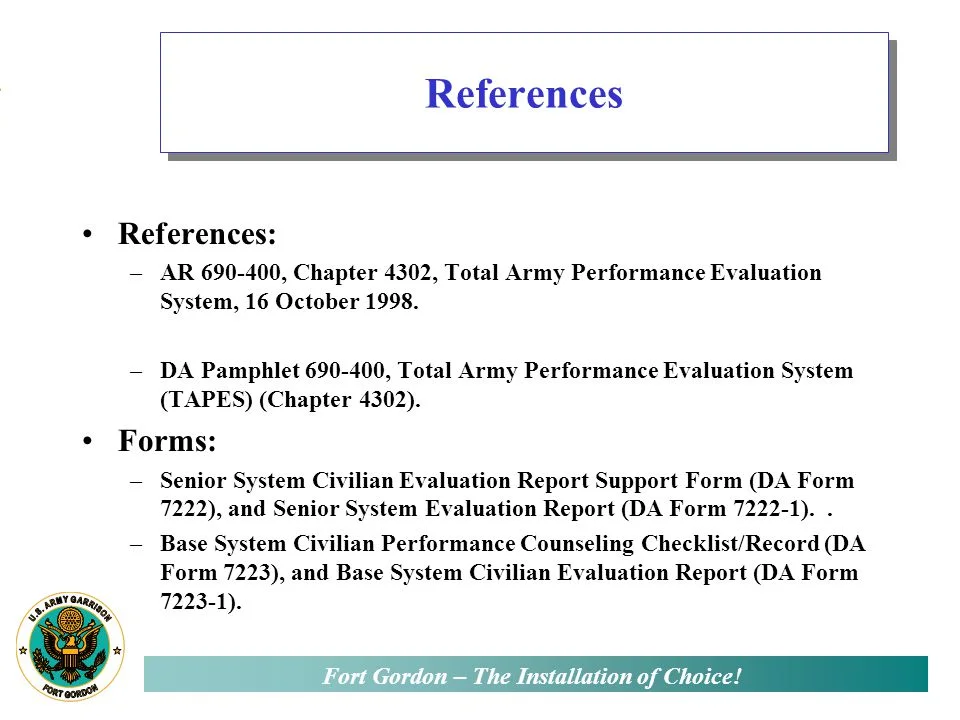
Because evaluation forms and administrative guidance can change, Soldiers and leaders should compare their draft with current Army policy. The EES Army resource provides general information about evaluation and personnel processes, while official regulations remain the controlling authority.
Clarify The Senior Rater’s Perspective
The senior rater should assess the NCO’s potential, not simply repeat the rater’s description of completed tasks. A useful narrative explains how the Soldier’s performance indicates readiness for greater scope, complexity, or authority.
The comment should also reflect the senior rater’s direct observation and reasonable knowledge of the rated NCO. If the senior rater has limited interaction with the Soldier, the narrative should still be grounded in counseling, records, accomplishments, and input from the rating chain rather than unsupported praise.
Connect Performance To Future Potential
A strong narrative links results to future assignments. For example, an NCO who improved training readiness, developed subordinate leaders, or managed a demanding mission may be ready for a platoon sergeant position, first sergeant duties, or a key staff assignment, depending on rank and career field.
Use language that distinguishes current achievement from future capacity. Phrases such as “demonstrates the potential to serve successfully at the next level” are more useful when followed by a specific recommendation and a reason. The senior rater should explain what the Soldier is prepared to do, not merely state that the Soldier is outstanding.
Include Promotion And Development Recommendations
Promotion potential is often central to the senior rater assessment. The narrative can state whether the NCO should be considered for promotion, increased responsibility, or competitive selection. The recommendation should match the senior rater’s profile and the overall evaluation.
Professional development also deserves attention. Mention appropriate military education, broadening opportunities, special assignments, or functional training when the Soldier’s record supports them. A recommendation becomes more persuasive when it identifies the leadership behaviors or accomplishments that justify the next step.
Use Evidence Without Repeating The Rater
The senior rater comment should add value instead of copying bullets from the rater’s portion. Select one or two significant themes, such as organizational impact, leader development, mission accomplishment, or adaptability, and interpret their importance.
Specific evidence improves credibility. Include measurable outcomes when available, such as improved readiness, reduced processing time, successful inspections, qualified personnel, or mission completion. Avoid turning the senior rater narrative into a complete duty description; its purpose is to evaluate potential and provide a concise career recommendation.
| Element |
What It Should Show |
Example Direction |
| Potential |
Capacity for greater responsibility |
Ready for duties at the next leadership level |
| Promotion |
Senior rater’s career assessment |
Strongly recommend promotion when eligible |
| Assignment |
Best use of the NCO’s abilities |
Assign to a demanding operational or staff role |
| Education |
Development needed for future growth |
Encourage required or advanced NCO professional military education |
| Evidence |
Reason for the recommendation |
Improved readiness, developed leaders, or delivered measurable results |
Avoid Common Senior Rater Errors
Vague superlatives weaken an evaluation. Words such as “excellent,” “outstanding,” and “the best” have limited value without context. A board member should be able to identify the NCO’s strengths, potential, and recommended next assignment from the narrative alone.
The comment should also avoid contradictions. A strong promotion recommendation can appear unreliable if the senior rater’s box check, profile, or narrative suggests hesitation. Check names, ranks, duty positions, dates, and career recommendations carefully before signing. Avoid mentioning personal characteristics, protected information, or matters that do not belong in an official evaluation.
Match The Comment To The NCOER Record
The senior rater narrative should be consistent with the NCO’s duty description, performance evaluation, counseling, awards, and documented achievements. It should reflect the rating period and avoid presenting future plans as completed accomplishments.
Leaders should review the current version of AR 623-3, DA Pam 623-3, and applicable HRC instructions before finalizing an evaluation. Administrative resources, including Army personnel guidance, can help explain related processes, but they should supplement rather than replace official Army guidance.
Drafting Recommendations For Leaders
Use the following checks when preparing or reviewing the narrative:
- State the NCO’s potential for increased responsibility in direct language.
- Recommend promotion, schooling, or assignments only when supported by performance.
- Include one or two measurable results that distinguish the Soldier’s contribution.
- Avoid repeating the rater’s bullets or using unsupported superlatives.
- Confirm that the narrative agrees with the senior rater assessment and official records.
A practical draft often follows this sequence: overall potential, evidence of readiness, and recommended next step. For example, a senior rater might identify an NCO as a decisive leader who improved unit readiness, developed capable subordinates, and is prepared for a more demanding leadership assignment. The exact wording should reflect the Soldier’s grade, career field, accomplishments, and realistic career path.
Review the completed NCOER with the rating chain before submission, correct factual or administrative errors, and retain supporting documentation according to Army procedures. Careful preparation ensures the senior rater’s assessment communicates the Soldier’s value and future potential with clarity.