How to Use iPERMS to Store Your Deployment Orders
Deployment orders are important evidence of a soldier’s service history. They can support awards, promotion decisions, mobilization records, medical claims, transition benefits, and corrections to an official military file. Keeping these documents in iPERMS helps place them where authorized Army personnel can review them when needed.
iPERMS, the Interactive Personnel Electronic Records Management System, stores documents in the Army Military Human Resource Record. It is designed for long-term personnel record management, but a successful upload still depends on using readable files, accurate document categories, and the correct submission process.
Your unit S1, HR professional, or servicing records office may provide the most current instructions for submitting documents. Procedures and access options can change, so use official Army guidance when a system prompt or local policy differs from general guidance.
Identify The Orders That Belong In Your Record
Start by gathering every document connected to the deployment. This may include the original mobilization or deployment order, amendments, extensions, revocation notices, demobilization orders, and documents that identify changes to duty location or reporting dates. Keep related enclosures when they establish the purpose or validity of the order.
Review the paperwork for your full name, rank, identification information, order number, effective dates, issuing authority, and signatures or authentication markings. A page that appears repetitive may still contain important legal or administrative information, so avoid removing pages unless an authorized records professional advises you to do so.
If the deployment resulted in an award, combat service entry, or other personnel action, collect those records separately as well. Orders prove the assignment or duty status, while award certificates, citations, and personnel forms document related accomplishments.
Prepare A Clear Digital File
Scan paper orders at a readable resolution and save them as PDF files when possible. Make sure every page is upright, complete, and legible. Dark shadows, cut-off signatures, missing continuation pages, or blurred dates can cause delays during review and may require a second submission.
Use a simple filename that identifies the document without exposing unnecessary personal information. For example, a practical format might include the order type, order number, and effective year. Avoid symbols that a records system may reject, and check that the file opens correctly before uploading it.
Keep the original paper copy and an additional secure digital copy until the document appears correctly in your official record. Guidance on related submissions is available in this explanation of upload supporting documents, which can help you prepare files for personnel record review.
Submit The Document Through The Authorized Channel
Access iPERMS through the Army-approved portal and sign in using the credentials and authentication method currently required for your account. Depending on your status and system permissions, you may be able to submit a document directly, or you may need to send it through your unit S1, human resources command, or another authorized records office.
Choose the document category that most closely matches deployment or assignment orders. If the system provides a comments field, use it to identify the order number, date, and reason for submission. Keep the explanation factual and concise; the document itself should provide the supporting details.
Before selecting the final submission option, confirm that the file is attached and that all pages are present. Do not upload several unrelated records as one file simply to save time. Separate files are easier for reviewers to classify, search, and retrieve later.
| Record Item |
What To Check |
Why It Matters |
| Original deployment order |
Order number, dates, unit, location, authentication |
Establishes the initial duty assignment |
| Amendment |
Changes to dates, location, unit, or status |
Preserves the official revision history |
| Extension or continuation |
New end date and approving authority |
Supports an extended period of service |
| Demobilization order |
Release date and reporting instructions |
Documents the end of the deployment |
| Related award or action |
Citation, certificate, or personnel form |
Connects service history with resulting recognition |
Track Processing And Verify The Record
Uploading a file does not always mean it is immediately visible in the finalized record. Save any confirmation number, submission receipt, or transaction notice. If the system shows a pending status, allow the normal processing period before contacting the responsible office.
After processing, review the document in iPERMS. Confirm that the pages display in the correct order, the image is readable, and the classification or document type is accurate. Check key facts against your personal copy, especially dates, order numbers, duty locations, and amendments.
If the file is rejected, read the reason carefully instead of submitting the same file repeatedly. Common problems include an incomplete scan, an incorrect category, duplicate content, poor image quality, or a document that must be submitted by an authorized office. Correct the identified issue and retain the rejection notice for your records.
Connect Orders With Other Personnel Records
Deployment orders may support several personnel actions, but they do not replace every supporting record. A promotion packet, award recommendation, evaluation, or benefits claim may require additional documents. Keep those records organized by purpose while ensuring that each important document is submitted through the correct channel.
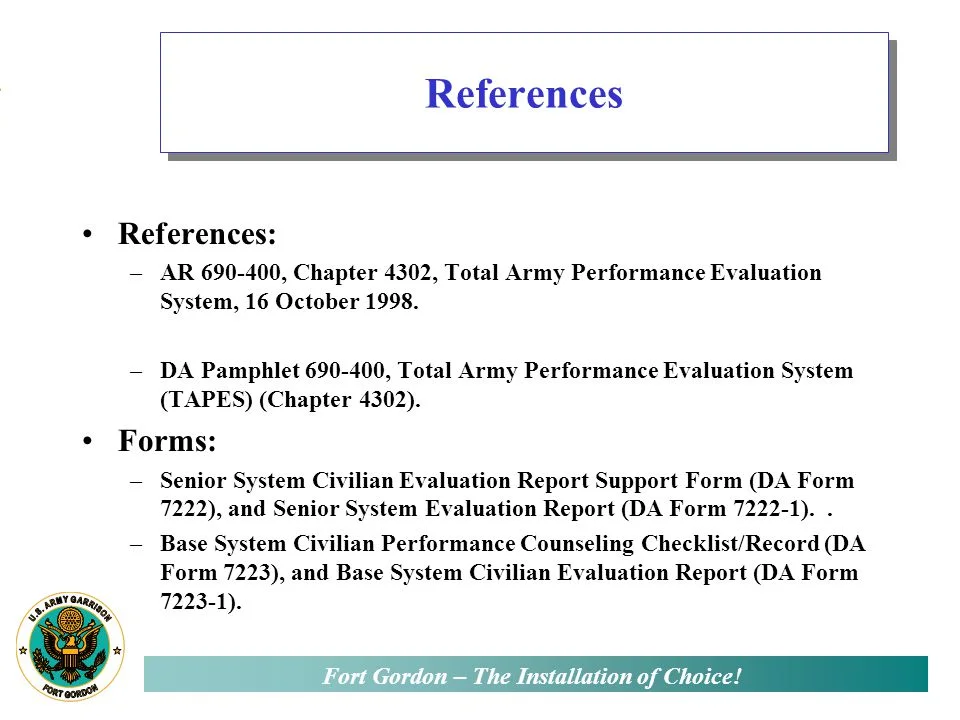
For soldiers reviewing evaluation-related files, understanding the senior rater evaluations can help distinguish an NCOER document from deployment records and other supporting evidence. An order may establish where and when a soldier served, while an evaluation addresses performance and potential.
Use consistent dates and order numbers across related records. If an amendment changes the deployment period, make sure the personnel office has the revised document and that any associated award or service record reflects the same information. Conflicting dates can create questions during a promotion, separation, or benefits review.
Build A Reliable Filing Routine
A periodic record review is easier than searching for missing documents during a reassignment or transition. Set aside time after a deployment, amendment, award approval, or demobilization to compare your personal file with the documents visible in iPERMS.
Use these practices to keep deployment records manageable:
- Save the original electronic file and a backup copy in a secure location.
- Compare every amendment with the original order before submitting it.
- Record submission dates, confirmation numbers, and rejection notices.
- Review the finalized image for completeness and legibility.
- Contact the unit S1 or authorized records office when a document remains missing or misclassified.
Protect personal and military information when storing backups. Avoid sending orders through unsecured personal messaging services, and do not share files with people who do not have a legitimate need to access them.
A complete iPERMS record gives authorized reviewers a dependable account of your service. Gather your deployment orders, prepare clean files, submit them through the approved process, and verify the finished record rather than assuming the upload alone resolved the matter.