How to use iPERMS to store your DA Form 31 leave approvals
Storing a DA Form 31 leave approval used to mean shuffling carbon copies through a paper-based system, hoping the right clerk could find the right manila folder when audit season rolled around. The shift to a digital record-keeping environment through iPERMS has changed that workflow entirely for soldiers, including those posted abroad or working joint assignments with allied forces.
For many soldiers based in places like Darwin, Townsville or Adelaide, or those rotating through exercises such as Talisman Sabre with Australian Defence counterparts, accessing the US Army's personnel systems remotely can be a learning curve. Knowing how to push your DA Form 31 approvals into iPERMS ensures your leave history stays connected to your official record, no matter where your duties take you across the Pacific.
This walkthrough covers the practical steps for getting your leave documents into the system, the file formats that upload cleanly, and the small habits that keep your digital file audit-ready when a unit HR specialist or selection board comes knocking.
Accessing iPERMS from a posting outside the continental United States
Soldiers serving in Australia, whether on an exchange posting with the Australian Defence Force, working through the Defence Cooperation Program, or supporting joint training events, can still reach iPERMS through their Common Access Card and a CAC-enabled device. The system runs on Army Knowledge Online, so connectivity through a DoD-approved VPN is the first hurdle to clear. Public Wi-Fi at a RAAF base canteen or a café in Brisbane will not route your CAC reader through to AKO.
If you have not used the portal before, start by familiarising yourself with the iPERMS website overview so you understand what the platform does and where your uploaded records end up. From there, log in, navigate to the My Documents section, and check whether your DA Form 31 history already exists in scanned form from your unit administrator.
Most soldiers find that anything older than a couple of years has been scanned at the battalion level, but anything current sits on a local shared drive waiting for the soldier to upload it themselves. That gap is where most digital leave records go missing.
Uploading your approved DA Form 31 step by step
Once you are inside iPERMS, click on the Upload Document option under the Documents tab. Choose DA Form 31 from the document type dropdown, then browse to the saved PDF or high-quality scan on your workstation. The system expects a clean, legible file rather than a photo snapped on your phone in the car park at Russell Offices.
Give the file a clear title that mirrors the form itself, including the leave period and the approving authority's rank and name. Hit submit, then wait for the system to confirm the upload with a green success banner. That confirmation matters, because it is the only proof in the moment that the file reached the server before the VPN session times out and kicks you back to the login screen.
A good habit is to log straight back in a few minutes later, search for the document under your record, and confirm it actually rendered. Australian internet routing can occasionally delay uploads, so the second check is worth the two minutes it takes.
File format and naming conventions that work
iPERMS accepts PDFs, TIFs and JPEGs, but PDFs are the safest bet because they lock the layout and prevent accidental edits. Scanned forms should be at least 300 DPI so the text remains searchable through the optical character recognition layer, which means a reviewer can pull keywords like "emergency leave" or "convalescent" without manually opening every page.
A practical naming pattern looks something like DA31_Smith_2024_12_Mar_LEAVE_APPROVED.pdf. That format tells any future reader exactly what the file contains and when it happened, without having to open it. Avoid spaces, slashes or special characters in the filename, because the upload portal occasionally chokes on anything outside standard alphanumeric input.
Verifying your leave records after upload
Verification is where most soldiers slip up. They assume that a successful upload means a successful upload, but the system sometimes accepts a file that fails to OCR or renders as a blank page. Open the document from inside your record, zoom in, and confirm every signature, date block and leave control number is legible.
Run the same check for the unit's designated records keeper, since some units require a parallel upload through the battalion SharePoint before iPERMS receives its copy. If you cannot tell whether your DA Form 31 has reached both locations, send a polite query to your S1 shop rather than waiting for an audit to surface the gap.
Items that confirm a clean record include:
- A signed leave control number visible on the digital copy
- An approving official's signature rendered clearly
- A matching entry in the unit leave tracker
- A timestamp inside iPERMS that aligns with the leave period
Common upload errors and how to dodge them
A few recurring problems show up across nearly every posting. The first is uploading the wrong document type, which forces the system to misfile the record under another category and makes it almost impossible to retrieve later. The second is uploading a draft form rather than the fully signed approval, which means the record is technically incomplete and can be challenged during a records board.
A third is overwriting a previous file with a newer one without saving the older version separately. iPERMS tracks version history, but only if each upload is treated as a new document rather than replacing an existing entry. The fourth is forgetting to log out, which on a shared device in a transient billeting facility in Townsville or Perth leaves your personnel file exposed to whoever uses the laptop next.
Practical habits that reduce upload errors:
- Always scan the signed original, never a photocopy
- Use the document type dropdown rather than leaving it on Auto
- Keep a personal backup on an encrypted drive until the iPERMS confirmation appears
- Log out fully, especially on shared or loaned workstations
Keeping your leave history audit-ready
An audit-ready file is one a reviewer can read, verify and sign off within minutes. For leave documents specifically, that means consistent formatting, clear dates, and a logical order inside the system. Sorting by calendar year rather than by upload date makes a multi-year review far less painful for the soldier and the reviewer.
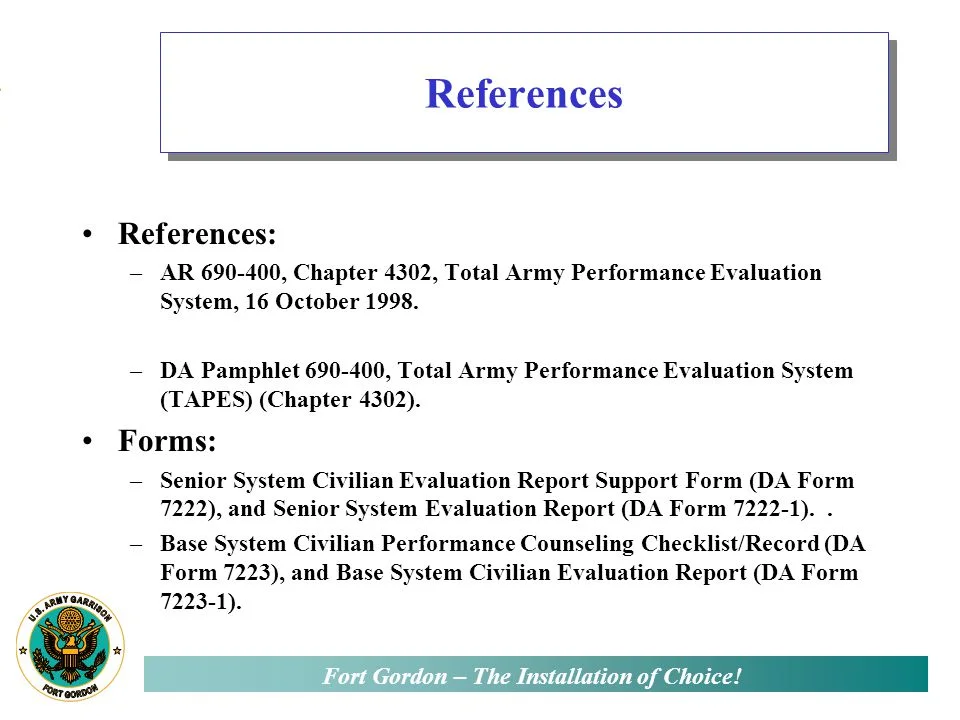
If you are preparing for a school selection or promotion board, link your leave history to your evaluation file through the iPERMS cross-reference feature. Boards reading your record want to see that periods of leave, especially emergency or convalescent leave, align with the narrative in your NCOER or OER. Reviewers familiar with the Army performance evaluation guide will look for that connection.
Soldiers who treat their digital record as a single, organised body of evidence rather than a dumping ground for individual forms generally come out ahead in board outcomes.
Putting the workflow on autopilot
The core of using iPERMS for DA Form 31 storage is consistency. Upload promptly, name files clearly, verify after each submission, and treat your record as something a stranger will need to read without you present to explain it. That mindset turns a bureaucratic chore into a quiet professional habit, and it pays off when a board, an audit or a transition counselor pulls your file months or years later.
Whether you are posted to a base in Australia, rotating through a Pacific exercise, or transitioning out of service, the same principle applies: the soldier who controls their own record controls the story their record tells.