How to Update Your Civilian Job in iPERMS for Transition
A civilian job is usually not a simple profile field that can be typed into iPERMS and saved. The Integrated Personnel and Pay System–Army-related records process is designed to preserve official military documents, while employment details after separation are generally managed through your résumé, transition paperwork, and civilian employer systems.
For a soldier preparing to leave the U.S. Army, the practical goal is to ensure that iPERMS contains accurate records supporting service history, qualifications, awards, evaluations, and separation information. Those documents can help explain your experience to employers in Sydney, Melbourne, Brisbane, or regional areas, even though iPERMS itself is not a civilian job board.
Australian employers may ask for a résumé, certificates, references, a police check, or evidence of work rights. They may also handle personal information under the Privacy Act 1988, so only upload documents through approved systems and avoid sending sensitive military records to an employer unless they are relevant.
| Record or action |
Main purpose |
Where it normally belongs |
| DD-214 |
Verifies military service and separation details |
iPERMS and transition records |
| NCOER, OER, or AER |
Shows performance, duties, and leadership |
iPERMS |
| Civilian résumé |
Describes the job you want after service |
Employer or recruitment platform |
| Civilian employment contract |
Proves a post-service role |
Personal files or employer system |
| Training certificate |
Supports military or civilian qualifications |
iPERMS if officially relevant, otherwise résumé portfolio |
Check What iPERMS Can Actually Store
Before trying to update a civilian position, review the purpose of the record. iPERMS is primarily a repository for official Army personnel documents. It may hold evaluation reports, award certificates, training records, medical or administrative documents, and separation paperwork, depending on eligibility and Army policy.
A new job with an Australian company is not normally added as a standalone employment-history entry in iPERMS. If you have accepted work with a construction firm in Perth or a technology employer in Canberra, record that role in your résumé and onboarding documents. Do not upload a private employment contract merely because you want the position to appear in your military record.
The useful connection is usually indirect: military documents verify the experience behind your civilian résumé. An NCOER describing supervision, maintenance, logistics, or training can support the way you present transferable skills to an employer.
Review Your Military Documents Before Separation
Sign in through the authorised iPERMS or Army records route and complete a careful record review. Look for missing NCOERs, OERs, AERs, awards, certificates, duty assignments, and separation documents. Check names, dates, ranks, duty positions, and service periods for inconsistencies.
If an evaluation contains a factual error, use the appropriate Army correction or records-management process rather than editing the document yourself. A signed report is an official record. Guidance on how to sign an NCOER electronically can help you complete the evaluation process correctly before transition.
Save personal copies of important records in a secure location. A password-protected drive and an encrypted cloud account are more suitable than leaving documents only in an old work email account, particularly if you will be relocating between an overseas posting and an Australian home address.
Build a Civilian Employment Record Separately
Create a civilian résumé that translates military duties into language an Australian hiring manager can understand. “Platoon sergeant” may need explanation, while “supervised 35 staff, managed safety compliance, and coordinated daily logistics” communicates responsibility more clearly.
Use the Australian market as a guide. Job advertisements on SEEK, LinkedIn, and employer websites often emphasise practical outcomes, licences, security clearances, software knowledge, and communication skills. A veteran applying for transport work in Adelaide may need to highlight fleet coordination and compliance, while a candidate seeking facilities work in Melbourne may focus on maintenance planning and contractor management.
Keep dates consistent across the résumé, LinkedIn profile, job applications, and official records. If an employer asks for proof of employment, provide a suitable service document or reference rather than granting broad access to your iPERMS account.
Upload Supporting Records Through the Correct Route
When a document belongs in the official personnel file, follow the current Army submission instructions. Depending on your status and document type, this may involve authorised personnel, a records custodian, a servicing office, or an approved upload function. File names should be clear, and scans should be complete, readable, and free from unrelated pages.
Do not upload a civilian contract, payslip, tax document, or private reference simply to show that you have found work. These records may contain bank details, tax file information, addresses, or other personal data. Australian organisations also operate under privacy obligations, and military repositories should be used only for their intended purpose.
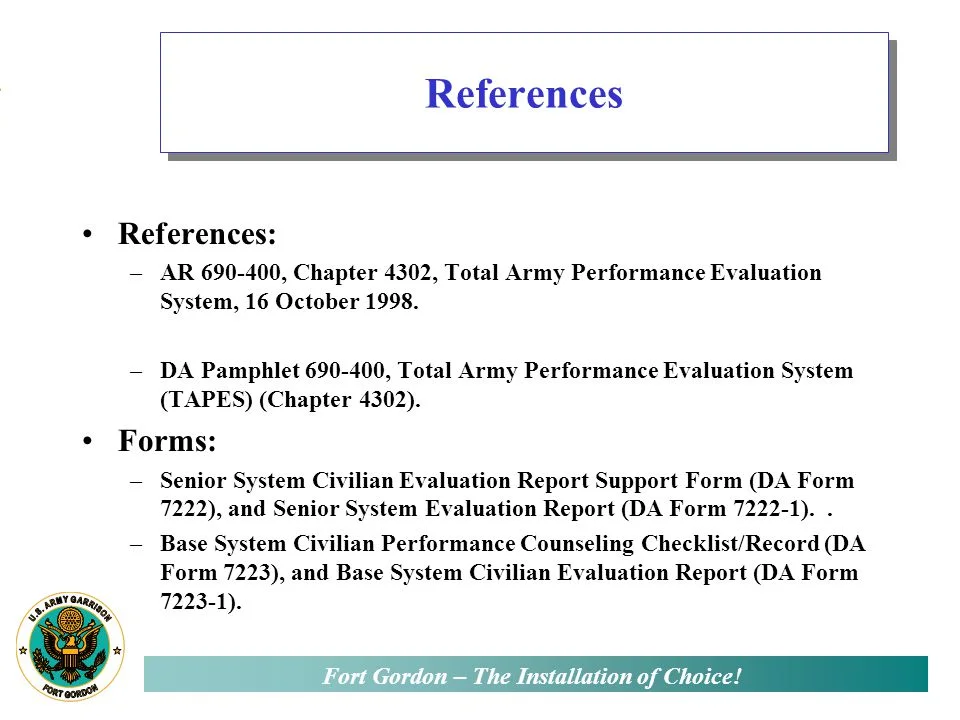
If you are uncertain whether a document qualifies, ask the responsible Army administrative office before submission. The evaluation reporting system guidance can help you understand how performance documentation fits into the wider personnel process, but it does not replace official Army instructions.
Protect Evidence of Your Experience
Keep a transition folder containing your DD-214, evaluation reports, award citations, course certificates, licences, résumé versions, references, and correspondence about corrections. Use consistent filenames such as “Surname_DD214” or “Surname_NCOER_2023,” and maintain a simple index of what each file proves.
Avoid sending unredacted records to a recruiter unless the request is legitimate and the information is necessary. Remove irrelevant identifiers where possible, but do not alter official documents in a way that changes their meaning. If an employer needs confirmation of service, a formal verification channel may be safer than emailing a complete personnel file.
For Australian applications, prepare digital copies in PDF format and keep a printed backup for interviews or induction appointments. This is particularly useful when travelling to a job interview in Sydney or using a mobile connection in a regional area.
Prepare Documents Employers Understand
Military evaluations can be valuable evidence, but civilian employers may not recognise every acronym or rating category. Convert each relevant achievement into a short accomplishment statement: what you managed, how many people or assets were involved, what standard applied, and what result followed.
For example, an NCOER bullet about leading a maintenance team can become a résumé statement about supervising technicians, reducing equipment downtime, and meeting operational deadlines. Guidance on writing a strong NCOER bullet can help you identify measurable achievements without copying military language that Australian employers may find unclear.
Check whether the target role requires Australian licences, a Working with Children Check, a White Card, a security assessment, or recognition of overseas qualifications. Military experience may support an application, but it does not automatically replace local legal or industry requirements under Australian workplace rules.
Complete These Transition Checks
Use a short final review to separate official military records from civilian employment documents:
- Confirm your DD-214 and final evaluations are present, accurate, and readable.
- Record your military duties, dates, qualifications, awards, and measurable achievements in a civilian résumé.
- Keep civilian contracts, payslips, references, and tax documents outside iPERMS unless an authorised process specifically requires them.
- Prepare PDF copies and secure backups before losing access to Army systems.
- Check Australian licence, screening, privacy, and work-right requirements for each target role.
- Contact the appropriate Army records office when a document is missing or its filing status is unclear.
A civilian job is usually demonstrated through a résumé, reference, contract, or employer verification rather than by changing an iPERMS profile. Accurate military records give that civilian application credibility, while careful document handling protects your privacy during the move from service to the Australian workforce.