How to Submit a DA Form 5501 to iPERMS
A DA Form 5501 records body fat assessment information for U.S. Army personnel and may become part of a soldier’s official military record. Submitting a clean, complete copy to iPERMS helps preserve the assessment and gives authorised administrators a reliable source for future personnel actions.
The process can look slightly different for soldiers stationed in Australia. A U.S. Army member in Sydney, Brisbane, Melbourne, Canberra, or another Australian location may work through a unit S-1, an Army support office, or a secure network connection rather than a large overseas processing centre. The Australian Defence Force uses its own forms and systems, so DA Form 5501 procedures should not be confused with ADF recordkeeping.
Confirm The Correct Body Fat Form
DA Form 5501 is generally used as the body fat content worksheet for a female soldier, while DA Form 5500 is commonly associated with the male worksheet. Always check the current form version, the soldier’s sex category as recorded for the assessment, and the applicable Army policy before scanning anything.
The completed document should show the soldier’s identifying details, measurement data, date of assessment, signatures, and any required reviewer or commander information. A form with missing signatures, unreadable measurements, or conflicting dates may be rejected by the servicing records office.
A body composition assessment can affect readiness, retention, promotion administration, and other personnel actions. It should therefore be handled as an official record rather than as a casual fitness document.
Review The Form Before Scanning
Check every field against the source worksheet and the soldier’s personnel information. Look for misspelled names, incorrect DOD ID numbers, incomplete height or circumference measurements, and figures that are too faint to read. If the assessment was completed in a field environment, verify that pencil marks and handwritten entries remain visible.
Use a flatbed scanner or a reliable multifunction printer to create a PDF. A local Australian office-supply retailer such as Officeworks may provide scanning equipment, but sensitive military records should not be uploaded to a public computer, shared drive, or commercial cloud account. A unit-controlled scanner is the safer choice.
The final PDF should be upright, complete, and free from cropped edges. Colour is useful when signatures or annotations are faint, although a high-quality black-and-white scan is normally adequate when every entry is clear.
Prepare A Secure And Recognisable File
A simple file name helps S-1 staff and iPERMS personnel identify the record without opening several nearly identical files. Follow the naming convention directed by the unit, since some commands require a particular format.
Useful preparation checks include:
- Save the document as a PDF rather than a photograph or editable word-processing file.
- Use a clear name with the soldier’s surname, form number, and assessment date.
- Confirm that the PDF opens correctly after scanning.
- Remove blank pages, duplicate pages, and unrelated documents.
- Keep the original signed form in accordance with unit records guidance.
Do not place unnecessary medical information in the file name. A name such as Surname_DA5501_2025-06-14.pdf is more appropriate than a description containing body composition results.
Access The Appropriate iPERMS Route
Sign in to iPERMS through an approved Army connection and use the current self-service upload function if the soldier has permission to do so. Depending on the unit and account status, the upload may instead be completed by the S-1, human resources specialist, or authorised records manager.
Before beginning, confirm that the document belongs in the soldier’s official personnel record and that the selected document category matches the instructions provided by the command. If the correct category is unclear, the unit records office should decide rather than guessing.
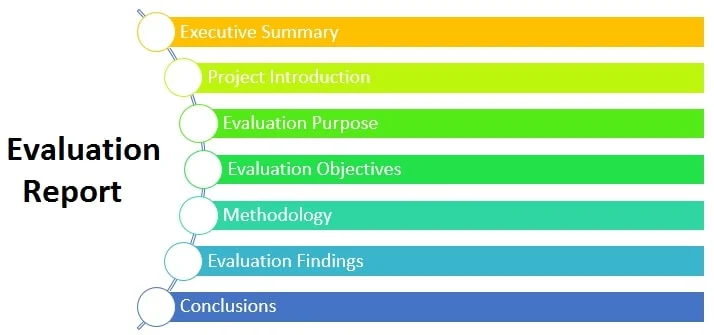
Personnel who are also managing evaluation administration may find the Army performance evaluation guide useful for understanding how official documents support wider personnel actions. A body fat worksheet is separate from an NCOER or OER, but accuracy and document control principles are similar.
Upload The DA Form 5501
Open the upload area, attach the PDF, and check the preview before submitting. Make sure all pages are visible and that the file has not been rotated, compressed beyond readability, or replaced by an older version. If iPERMS displays a document type or description field, use the closest approved option for body composition or DA Form 5501.
The system may provide a transaction number, status message, or confirmation screen. Save that information in accordance with local procedures. A screenshot can be useful for administrative follow-up, but it should be stored securely because it may contain personally identifiable information.
For a soldier working from an Australian posting, network access can vary between a U.S. installation, a shared defence facility, and off-base accommodation. Avoid using public Wi-Fi in a café or hotel when uploading personnel records, even if the connection appears convenient.
Confirm Processing And Correct Errors
An upload confirmation does not always mean the document has been fully indexed into the official record. Check the document status after processing and verify that it appears under the correct soldier account. If the file remains pending, rejected, or missing, contact the unit S-1 or iPERMS help channel rather than submitting multiple duplicates.
Common causes of rejection include an incomplete form, poor image quality, an unsupported file type, incorrect document classification, or a mismatch between the form and the soldier’s identity. Correct the source document first when the error is on the worksheet itself.
If an earlier version was uploaded by mistake, ask the records administrator how to handle replacement or supersession. Do not delete or alter a signed record without following the applicable Army records procedure.
Keep Personal Information Protected
DA Form 5501 contains personal and health-related information that should be treated carefully. Emailing it to a personal account, storing it on an unencrypted USB drive, or sending it through consumer messaging applications creates unnecessary exposure.
Use approved Army systems and limit access to people with a genuine administrative need. Australian privacy expectations are also strong, particularly when records are handled by contractors or support providers, but local privacy practice does not replace U.S. Army information-security rules.
A document-management issue can become more complicated when access permissions are involved. Guidance on the unlock rater profile process explains a separate evaluation-system problem, yet it illustrates why account access and administrative permissions should be resolved through authorised channels.
Coordinate With Unit Administration
The S-1 or servicing personnel office remains the best point of contact when a soldier cannot upload the form, lacks iPERMS access, or is unsure which record category to select. Soldiers at U.S. facilities near Brisbane or Darwin may have different local support arrangements from personnel assigned to Canberra or working with a smaller liaison office.
Keep a secure copy of the signed worksheet until iPERMS processing has been confirmed. The copy should be retained only as long as permitted by Army and unit policy, then disposed of through an approved method such as secure shredding.
For related Army administrative updates and personnel-record guidance, the resources collected on EES Army page four may provide additional context. These materials are informational and should be checked against current Army instructions, local command policy, and advice from the responsible records office.