Military ID Card Requests for National Guard Soldiers
A military identification card gives National Guard soldiers access to installations, health care systems, benefits, and secure Army networks. The exact card and renewal process depend on your duty status, eligibility record, and whether you are requesting a Common Access Card (CAC) or another Uniformed Services ID card.
Most requests are completed through a Real-Time Automated Personnel Identification System (RAPIDS) site after your status has been correctly recorded in the Defense Enrollment Eligibility Reporting System (DEERS). A smooth visit depends on making an appointment, bringing acceptable identification, and confirming that your personnel information is current before you arrive.
Identify The Card You Need
A National Guard soldier in the Selected Reserve will generally receive a CAC when eligible for military or government network access. The CAC contains your photo, identification details, and digital certificates used for systems such as Army email and other secure services. Soldiers serving in different statuses may have different access rights or card eligibility.
Family members and other eligible beneficiaries usually receive a Uniformed Services ID card rather than a CAC. A dependent’s card is linked to the sponsor’s record, so the sponsor may need to attend the appointment or provide an authorized DD Form 1172-2. Retirees, former spouses, and other beneficiaries follow separate eligibility rules.
Your personnel status must be visible in DEERS before a RAPIDS office can issue the appropriate card. If your name, address, phone number, or other identifying information is outdated, review guidance on how to update your contact information before scheduling the appointment.
Verify Your Status Before Scheduling
Start by checking with your unit administrator, S-1, readiness NCO, or personnel office. They can confirm whether your enlistment, transfer, mobilization order, promotion, marriage, or change in duty status has been processed. A RAPIDS clerk may be unable to issue a card when the supporting record has not reached DEERS.
Use the official ID Card Office Online appointment locator to find a nearby RAPIDS site. Some locations serve only active-duty personnel or require appointments several weeks in advance. Others accept limited walk-in requests. Review the site’s instructions, hours, accepted documents, and requirements for children or dependent applicants before booking.
For a CAC renewal, check the expiration date and arrange the appointment early enough to avoid a break in access. A card that is still valid may be renewed within the period allowed by the issuing office, but local procedures can differ. Soldiers with upcoming annual training, mobilization, or extended orders should address the request well before reporting.
Gather Acceptable Documents
Bring two forms of identification to most card appointments, with at least one government-issued photo ID. A current driver’s license, U.S. passport, or other accepted identity document may satisfy this requirement. The names on the documents should be consistent with your personnel record.
For a first card, replacement card, or change to personal information, additional documents may be necessary. A birth certificate, Social Security card, marriage certificate, divorce decree, court order, or citizenship document can help establish identity or eligibility. Original documents or certified copies are generally safer than ordinary photocopies.
The issuing office may also require orders, a record of service, or confirmation from your unit. Dependents should bring documents proving their relationship to the sponsor, and children may need a birth certificate or other evidence of eligibility. Do not assume that a digital image on a phone will be accepted; verify the location’s rules in advance.
Prepare For The RAPIDS Appointment
At the appointment, staff will verify your identity and eligibility, capture a photograph, and record fingerprints or other biometric information when required. You will review the information printed on the card before accepting it. Report spelling errors, incorrect rank, or an outdated expiration date immediately.
Wear clothing that produces a clear, professional photograph and remove anything that conflicts with the site’s photo rules. Bring your current card if you are renewing or replacing it. If the card was lost or stolen, notify your chain of command and follow the office’s procedure for documenting the incident.
| Request type |
Typical supporting items |
Important consideration |
| Initial CAC |
Two IDs, personnel status, orders or unit verification when requested |
DEERS must show current eligibility |
| CAC renewal |
Current CAC, two IDs, updated personnel record |
Schedule before expiration and mission requirements |
| Lost or stolen CAC |
Two IDs and loss documentation if required |
Report the loss promptly so access can be disabled |
| Dependent ID |
Sponsor information, two IDs, relationship documents |
Sponsor attendance or DD Form 1172-2 may be required |
| Record correction |
Two IDs plus documents supporting the change |
Update the personnel source record when necessary |
Protect Your Card And Account
Treat a CAC or other military ID as controlled property. Do not lend it to another person, leave it unattended, or photograph the front and back for convenience. Store the card securely and protect the PIN. A card reader may be necessary for remote access, but never install unknown software or provide your credentials to an unverified website.
If the card is lost, stolen, damaged, or retained by a malfunctioning reader, report the problem through your unit and the appropriate ID card office. A replacement may require a new photograph, supporting documentation, and a statement explaining the circumstances. Do not wait until the next drill weekend if the card is needed for work or travel.
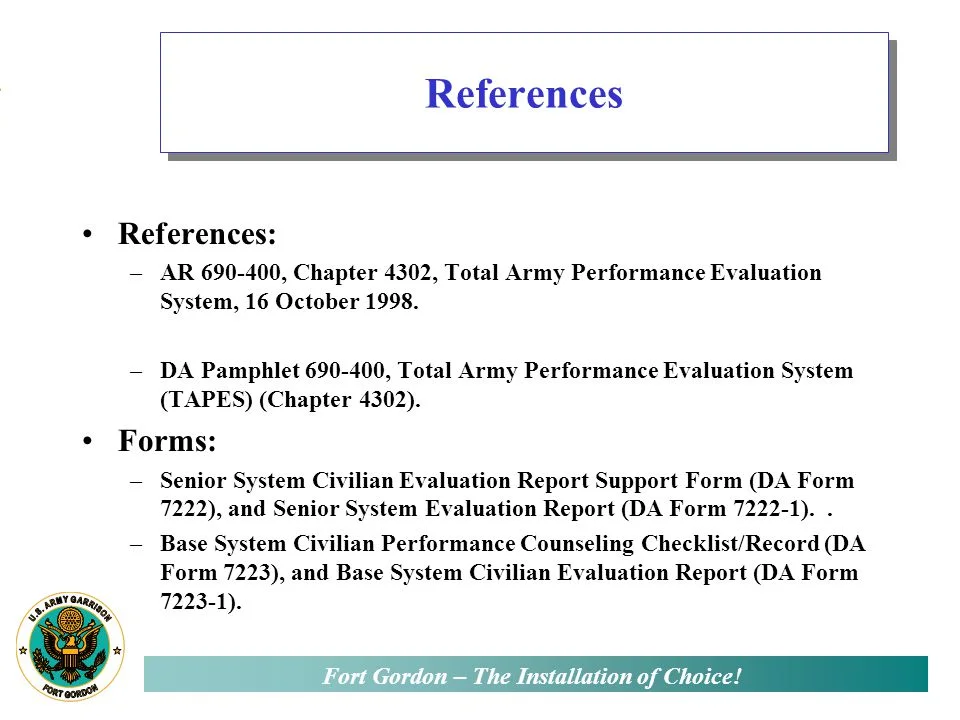
Keep your official records aligned across personnel systems. Soldiers who manage evaluations and administrative records may also benefit from reviewing the rating chain guide, since changes in assignment or status can affect multiple Army records even when they do not directly issue a new ID card.
Keep Personnel Records Consistent
A military ID appointment cannot fix every underlying personnel error. If your name, grade, component, marital status, or duty status is wrong, ask the appropriate unit or human resources office to correct the source record. DEERS, personnel databases, and local unit systems may not update at the same time.
Save appointment details, receipts, and correspondence related to a replacement or correction. If your access to Army systems depends on the CAC, plan for the possibility that certificates, middleware, or workstation permissions may need attention after a new card is issued. The Army performance evaluation process also relies on accurate personnel information, so the Army performance evaluation guide can provide useful administrative context.
Practical Steps Before You Go
- Confirm your eligibility and duty status with your unit administrator or readiness NCO.
- Locate a RAPIDS office and schedule an appointment according to its local rules.
- Bring two acceptable IDs, your current card, and any orders or supporting documents.
- Prepare relationship documents and sponsor authorization for a dependent ID request.
- Report a lost or stolen card promptly and keep the replacement paperwork.
A National Guard ID card request is usually straightforward when DEERS, personnel records, and identification documents agree. Check the issuing office’s current requirements shortly before the appointment, then keep the new card protected and monitor its expiration date so your access and benefits remain uninterrupted.