How to Request a DD-215 Correction to Your DD-214
A DD-215, Correction to DD Form 214, is used to document an approved change to a DD-214. The correction may address an incorrect period of service, award, character of service, separation data, military occupational specialty, or another item that was recorded inaccurately when the original separation document was prepared.
A DD-215 does not replace the original DD-214. It is normally kept with the DD-214 and should be presented with it whenever a veteran needs to verify military service, apply for benefits, document awards, or support employment and education applications.
The correct process depends on the type of error, the person’s current military status, and where the official personnel record is stored. Administrative mistakes may be handled differently from disputed or substantive matters, so gathering clear evidence before submitting a request is important.
Check the DD-214 Before Requesting a Change
Begin by reviewing every block on the DD-214 against supporting military records. Common mistakes include misspelled names, incorrect dates, missing awards, inaccurate service locations, omitted training, an incorrect separation code, or a wrong characterization of service. Compare the document with orders, award certificates, evaluation reports, deployment records, and separation paperwork.
It is also useful to determine whether the issue is an obvious administrative error or a decision that requires review. A missing award supported by official orders may be an administrative correction. A request to change a discharge characterization, reenlistment code, or reason for separation usually requires a formal review by the appropriate military correction board.
Before sending anything, make a complete copy of the DD-214 and organize the evidence in chronological order. Keep the original in a secure location. If the document is missing entirely, the process is different; resources explaining DD-214 processing time may help set expectations for obtaining a replacement first.
Identify the Correct Requesting Authority
A currently serving soldier should usually begin with the unit administrative office, S-1, installation personnel service center, or the branch personnel office. These offices can determine whether the correction can be made through military personnel systems or whether the request must be forwarded to a records or correction board authority.
A former Army soldier may need to contact the National Personnel Records Center for a records-related correction or obtain instructions from Army Human Resources Command or the Army Review Boards Agency. The National Archives generally uses an SF-180 or an online military records request for copies of records, but a request to alter a disputed record may require a different submission.
For significant errors involving the facts or circumstances of separation, the Army Board for Correction of Military Records may be the appropriate route. The board commonly requires a DD Form 149, Application for Correction of Military Record, along with a written explanation and supporting evidence. The board, rather than the applicant, determines whether a correction is warranted.
Prepare the Supporting Evidence
A strong request clearly identifies the exact DD-214 block that is wrong, states what the entry should say, and explains why the proposed correction is supported by official records. Avoid broad statements such as “my DD-214 is inaccurate” without identifying the specific error and the requested remedy.
Useful documents may include active-duty orders, permanent change-of-station orders, award orders, deployment records, personnel qualification records, medical documents, evaluation reports, discharge orders, and prior correspondence from a military records agency. Copies are usually safer than originals unless the receiving authority specifically asks for an original document.
The applicant should also include identifying information, such as full name used during service, service number or Social Security number when required, branch, dates of service, rank, and contact information. Sensitive personal information should be sent only through an approved government channel and not posted publicly.
Choose the Right Correction Path
The following distinctions can help determine where to begin. Agency procedures can change, so applicants should verify current instructions on the relevant official military or National Archives website before mailing or uploading documents.
| Situation |
Likely starting point |
Main evidence |
| Currently serving member has an administrative error |
Unit S-1 or personnel service center |
Personnel records, orders, and the DD-214 |
| Former service member needs a copy or basic records review |
National Personnel Records Center |
SF-180 or online records request |
| Missing award or service entry is supported by official documentation |
Branch records authority or personnel office |
Award orders, deployment records, and official rosters |
| Discharge characterization or separation reason is disputed |
Appropriate correction or discharge review board |
DD-149 or board-specific application and detailed evidence |
| Name, dates, or service information is incorrect |
Records custodian or branch correction authority |
Identity documents and authoritative military records |
A DD-215 is generally issued only after the responsible authority approves the correction. Sending a self-created replacement DD-215 or altering the original DD-214 does not correct the official record and may create problems when the document is reviewed by the Department of Veterans Affairs, an employer, or another agency.
Submit and Track the Request
Follow the submission instructions for the selected authority. Some requests require a signed form and mailed copies, while others may permit online submission. Use a trackable mailing service when paper documents are required, and retain a complete copy of everything submitted, including delivery confirmation.
Processing times vary widely. Straightforward administrative corrections may move faster than cases requiring a board decision, record searches, or responses from other agencies. A delay does not necessarily mean the request was denied. If the agency sends a request for additional information, respond by the stated deadline and address each item directly.
Keep a written log of submission dates, case numbers, correspondence, phone calls, and names of offices contacted. If the request is denied, the decision letter should explain whether reconsideration, an appeal, or a different correction authority is available.
Protect the Corrected Record
When a DD-215 is issued, store it with the original DD-214 and scan both documents into a secure, clearly labeled file. The correction document has meaning only when used with the DD-214 it amends. Provide both documents when an agency asks for a complete separation record.
Before using the corrected record for VA benefits, retirement matters, state benefits, or employment verification, confirm that the relevant organization accepts a DD-215 as the correction document. Some agencies may request a complete personnel file or may need additional proof of the corrected fact.
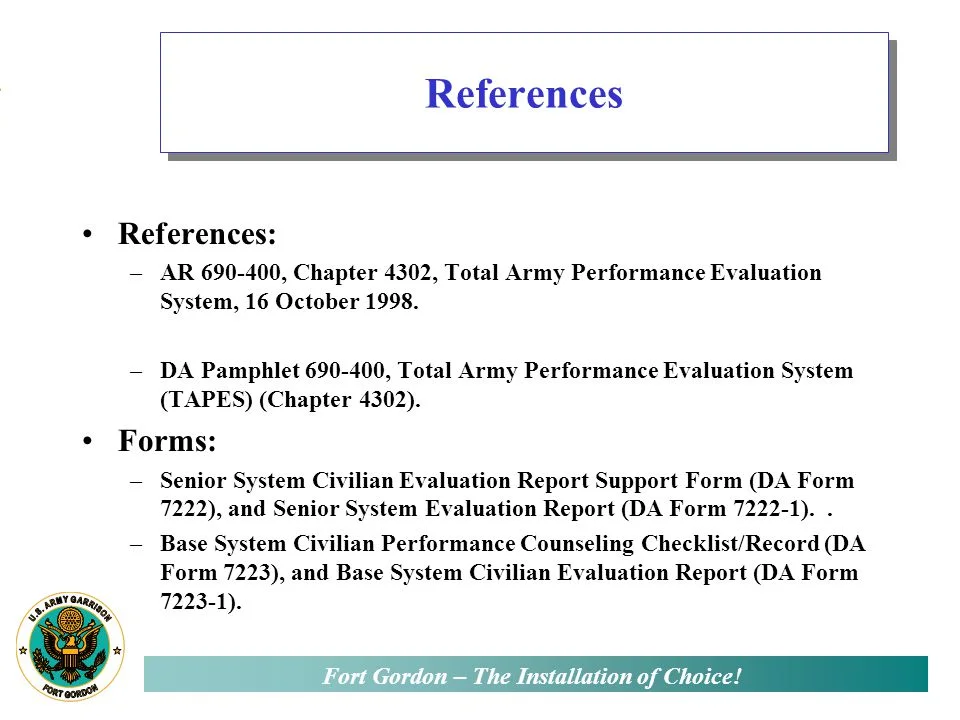
Military administrative records often intersect with evaluations and personnel databases. For Army personnel handling broader record questions, a practical rater profile check can help distinguish evaluation-system issues from separation-document issues.
Practical Steps for a Stronger Request
- Identify the exact DD-214 block, incorrect entry, and requested replacement wording.
- Gather official documents that directly prove the correction.
- Use the form and submission address required by the responsible authority.
- Keep copies of the request, evidence, delivery receipt, and all agency responses.
- Submit the DD-214 and DD-215 together whenever the corrected record is requested.
A carefully documented request gives the records authority a clear issue to review and reduces avoidable delays. Start by comparing the DD-214 with official service records, then contact the appropriate personnel office or records agency and follow its current instructions.