How to Request a DD-214 for a Reserve or Guard Member
A DD-214 is a key separation document that records a period of qualifying active military service. Reserve and National Guard members may have several DD-214s, especially when they complete mobilizations, deployments, active-duty tours, or other orders lasting long enough to require separation documentation.
The correct request process depends on when the service occurred, whether the member is still serving, and which component created the record. A request for an Army Reserve DD-214 may follow a different path from a request involving a National Guard separation document or a recent demobilization.
Before submitting paperwork, identify the exact period of service needed. This helps prevent delays and avoids requesting a document that does not exist for inactive duty training or a short drill period.
What A DD-214 Documents
The DD-214, Certificate of Release or Discharge from Active Duty, summarizes a qualifying period of active service. It generally includes dates of entry and separation, character of service, military education, occupational specialty, awards, foreign service, and the authority for separation.
A Reserve or Guard member does not automatically receive a DD-214 for every year in the component. Traditional weekend drills and many annual training periods are recorded through other personnel documents. A DD-214 is usually associated with active-duty service, active duty for training, mobilization, deployment, or another qualifying period that ends with release from active duty.
National Guard members may also need an NGB Form 22, which documents separation from the Guard, and an NGB Form 23, which summarizes retirement points. These forms do not replace a DD-214 when an employer, Department of Veterans Affairs office, or benefits agency specifically requests proof of active service.
Gather The Details Before Requesting
A complete request should identify the service member’s full legal name used during service, Social Security number or service number, date and place of birth, branch, component, approximate service dates, and last unit or duty location. Include the state for National Guard service because state-level records may be involved.
The request should also explain what is needed. For example, a benefits application may require a complete copy, while an employment verification process may need only service dates and character of discharge. If a DD-214 was lost, state that clearly and include any known separation date or deployment location.
When possible, attach supporting material such as orders, separation paperwork, award certificates, a discharge certificate, or correspondence from the unit. These documents may help a records office locate the correct active-duty period when multiple tours appear in the personnel file.
Choose The Correct Records Office
Current Reserve and Guard members should begin with their unit’s S-1, readiness NCO, personnel office, or transition assistance staff. A recent release from active duty may still be handled by the installation transition center or demobilization site that processed the separation.
Former service members can request records through the National Personnel Records Center using Standard Form 180, Request Pertaining to Military Records. Requests may generally be submitted by mail or fax according to the instructions on the form. Some veterans can also access military personnel records through milConnect and the Defense Personnel Records Information Retrieval System, depending on eligibility and record availability.
National Guard records can be more complicated because responsibility may be divided between federal and state authorities. For a DD-214 from a federal activation, begin with the Army or National Guard records channel associated with that tour. For an NGB Form 22 or state separation record, contact the state military records office, state adjutant general’s office, or the former unit’s personnel section.
| Situation |
Best starting point |
Document commonly needed |
| Recent release from active duty |
Installation transition center or unit personnel office |
DD-214 |
| Current Army Reserve member |
Unit S-1 or readiness NCO |
DD-214 for qualifying active service |
| Former National Guard member |
State military records office or former unit |
NGB Form 22 or DD-214, depending on service |
| Older separated service record |
National Personnel Records Center with SF-180 |
Copy of DD-214 and supporting records |
| Incorrect information on a DD-214 |
Issuing personnel office or correction board |
DD-215 or formal records correction |
Submit A Request For A Replacement Copy
Use the service member’s identifying information consistently throughout the request. If the name changed after separation, list the name used during service and provide the current legal name in the appropriate section. A signed request is usually required when the individual is seeking their own record.
A next of kin, authorized representative, or third party may face additional privacy requirements. The records office may require proof of death, a power of attorney, written authorization, or other documentation before releasing protected personnel information.
Do not send original documents unless the instructions specifically require them. Keep a complete copy of the request, attachments, mailing receipt, and any case number. Records requests can take time, particularly when files are incomplete, damaged, stored in multiple locations, or subject to archival retrieval.
Personnel systems may also have scheduled outages that interfere with online access or document retrieval. Checking the EES maintenance schedule before using a related Army system can help distinguish a system interruption from a problem with the request itself.
Handle Missing Or Incorrect Information
A replacement DD-214 should be reviewed carefully when it arrives. Check the name, dates, character of service, separation code, military occupational specialty, awards, foreign service, and any remarks connected to deployments or qualifying service.
If an error appears, contact the office that issued the document first and ask whether a correction can be made administratively. A DD-215 may be issued to correct certain errors without replacing the original DD-214. More complex disputes may require a petition to the Army Board for Correction of Military Records.
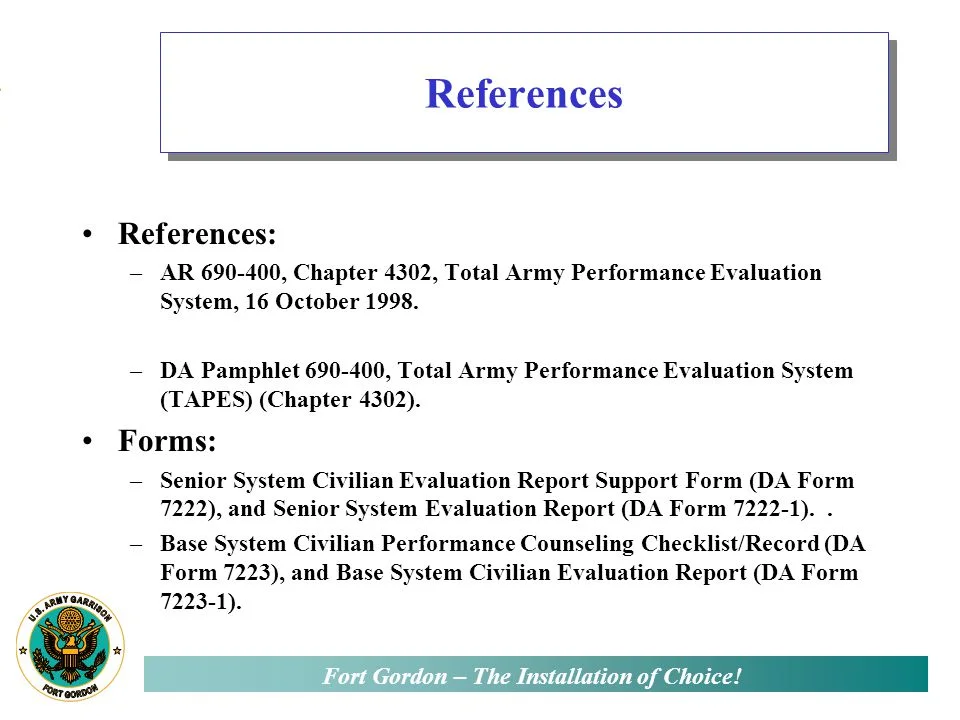
Supporting evidence matters. Orders, award citations, evaluation reports, pay records, medical documentation, and deployment records can help establish that an entry is incomplete or inaccurate. Evaluation records have a different purpose from separation documents, but understanding how official personnel records support career decisions can be useful; guidance on OER record use offers related context.
Keep The Record Secure And Usable
Store the digital copy in a secure location and keep a printed copy with other vital documents. A DD-214 contains sensitive personal and military information, so avoid posting an unredacted version publicly or sending it through an unsecured channel.
When submitting it for employment, education, home loans, veterans’ benefits, or medical care, ask whether the receiving organization needs the complete document. In some cases, a redacted copy or limited verification will protect unnecessary personal information while still meeting the organization’s requirements.
Practical Steps For A Faster Request
The following actions can reduce back-and-forth correspondence and help the records office identify the correct period of service:
- Confirm whether the request concerns a DD-214, NGB Form 22, NGB Form 23, or a correction to an existing document.
- Gather exact or approximate active-duty dates, unit information, orders, and separation location.
- Use SF-180 for older records when the former unit or personnel office cannot provide the document.
- Sign the request and include authorization documents when submitting it for someone else.
- Review every entry immediately and request corrections with supporting evidence.
Begin with the personnel office that handled the member’s most recent active-duty separation, then move to the appropriate federal or state records authority if the document cannot be located. A precise request, complete identifying information, and careful follow-up provide the best path to obtaining an accurate DD-214 for benefits, employment, and personal records.