How to Request a Correction to an Improperly Scanned iPERMS Document
iPERMS can display a document as though it is complete even when the electronic copy is blurred, cropped, upside down or missing a page. For soldiers checking OERs, NCOERs, AERs and other personnel records, that distinction matters: a scan defect is an image problem, while a correction to the underlying evaluation is a separate process. Learn more about Ess Army Oer.html.
Australian soldiers normally use the Australian Army Reporting System, so iPERMS usually enters the picture when a member is attached to a U.S. Army unit or handles a U.S. personnel action. Defence Connect, DSN email and Australian time zones add another layer, especially for teams in Darwin, Adelaide or Townsville working with a U.S.-based help desk. Learn more about Eesarmy.net.
Understand the scanning problem
An iPERMS document is an electronic representation delivered from IPPS-A. The information may have been entered correctly, but the scan used to capture the paper form can still be unreadable. Common signs include a missing signature block, cut-off text, pages out of order, or a document associated with the wrong action. Learn more about How To Request A New Cac After Your Military Id Expires 5c16.
The problem can block meaningful review even when the underlying record is sound. Keep the issue separate from disagreement with a rating: “the scan is poor” asks the Army to fix the image, whereas “the evaluation is wrong” may require the rater, senior rater and approving authority to correct the content.
General background on the system and evaluation records is available in the [independent iPERMS guides], which can help you identify the document type before contacting anyone.
Check the record and supporting evidence
Before opening a ticket, open the document in iPERMS and inspect every page. Take screenshots showing the member’s details, document title, dates and the exact portion that cannot be read.
- Record the document type and form number.
- Identify whether one page or the entire file is affected.
- Note missing, cropped, duplicated or rotated pages.
- Check whether signatures and comments are visible.
- Save a legible copy of the same document if your sponsor or local records office holds one.
Then compare the electronic image with the underlying personnel action and identify who supplied it.
- Confirm the duty period or action date.
- Note the organisation, unit or personnel office shown.
- Record the rater, evaluator or approving official.
- Check for a document already accessed or acknowledged.
- Keep the IPPS-A reference number, if one appears.
Do not rely on a screenshot alone. The support team may need the source document, its date and a clear explanation of where the image breaks down.
Choose the right correction process
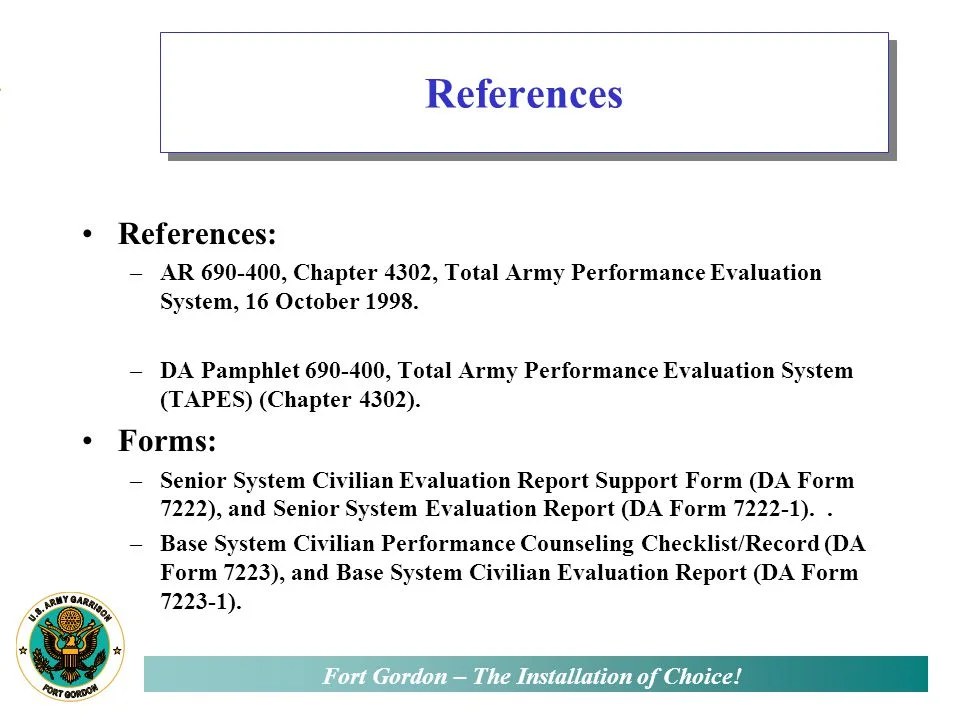
Evaluation records and non-evaluation personnel actions do not follow identical correction paths. For an OER, NCOER or AER, use the iPERMS evaluation-correction option and complete the correction form requested by the system, commonly a DA Form 4187 or 4187-1. The rater and approving officials must certify a substantive correction; a soldier cannot change ratings by editing the PDF.
The site's [OER evaluation guidance] explains the role of the evaluation forms and the officials involved in certifying changes. This matters because a request described merely as “bad scan” may be routed as an evaluation correction when the support desk needs a document-rescan request instead.
If the evaluation itself is accurate and only the imaging is defective, raise an IPPS-A document-rescan or Help Desk ticket. State clearly that no substantive change is being requested. Awards, accessions, basic training records and other non-evaluation actions also normally require an IPPS-A document or data-correction ticket rather than an evaluation form.
Build a precise request
Prepare the request in a separate document so it can be pasted into the relevant field. Include the document type, duty period, member identification already shown in iPERMS, the affected page and a short factual description of the defect.
A clear description might read: “The electronic copy of the OER for the stated duty period is illegible on page two. The signature block is cut off and part of the evaluator’s comments cannot be read. The underlying evaluation requires no content correction.” This gives the rater and help desk enough detail without introducing an argument about ratings.
Australian English can use words such as “authorised” and “organised” in the explanatory note, but reproduce official document titles and form labels exactly as printed. Attach a clear replacement or certified copy only when the help desk asks for it, and remove unrelated personal information from any scan you attach.
Submit, track and escalate
Sign in to iPERMS and locate the correction or online-forms area, usually found under Utilities. Select the affected evaluation and complete the reason, comments and supporting-document fields. Menu labels can change as the system is updated, so use the function described on the current screen rather than relying on an old screenshot.
After submitting, save the confirmation, ticket number and every attachment. For a scan-only issue in the IPPS-A Help Desk, choose the closest document, scanning or imaging category and identify the record by type and date. Keep the request open until the replacement image or corrected document is visible in iPERMS.
Follow up using the ticket reference instead of creating repeated requests. If the stated service period passes without an acknowledgement, contact the relevant help desk through its published channel and provide the original case details. If the command sponsor or local administrator supplied the source copy, ask them to confirm that the corrected version was forwarded for processing.
Protect access and keep the evidence
Most iPERMS access depends on a valid Common Access Card, CAC, and the credentials associated with the member’s role. If the card has expired or the login is blocked, resolve that problem before troubleshooting a document. The site's [CAC replacement guidance] explains the process for requesting a new CAC after a military identification card expires.
Australian personnel may need to coordinate through Defence Connect, a DSN email address or a U.S.-unit sponsor because civilian Australian support channels cannot change an Army personnel record. Remember that Australian Eastern Standard Time and daylight-saving changes can place local business hours a day apart from those advertised by a U.S. help desk.
Independent Army information sites can explain the workflow, but they cannot access or amend IPPS-A records. Keep your original document, screenshots, drafts and confirmations together so the final request has a clear audit trail for later promotion boards, personnel actions and record checks.