How to request your DD-214 from the National Archives
A DD-214 is the U.S. Certificate of Release or Discharge from Active Duty. It records important service details, including dates of active duty, character of service, military occupational specialty, awards and the reason for separation. Veterans may need it for Department of Veterans Affairs matters, employment, education benefits, health care or proof of military service.
For former U.S. service members living in Australia, the process is handled by the U.S. National Archives and Records Administration, usually through the National Personnel Records Center (NPRC). The National Archives of Australia, Defence, and the Department of Veterans’ Affairs cannot issue a replacement U.S. separation document.
Identify the record you need
Before applying, check whether you need the DD-214 itself or a broader copy of your Official Military Personnel File. Employers and benefits agencies usually request the DD-214, while a complete personnel file may include performance reports, awards, orders, medical documents and separation paperwork.
Some veterans have several versions of their separation documents. A long-form copy may show more information than a member copy, and an older service record may use a different form number. If a government office has asked for “proof of discharge”, ask whether it requires the full DD-214 or only selected service information.
A replacement document is different from a correction. If the original contains an error, a corrected DD-214 may require action through the relevant military records correction board. A DD-215 corrections guide explains how a DD-215 can be used to amend certain separation records.
Gather details before applying
The NPRC searches by identifying information, so accuracy matters. Use the name shown during service, including any former surname, along with the service number or Social Security number if available. Include the branch, dates of service, date and place of birth, and the last duty station or assignment you remember.
If you are requesting another person’s record, access rules may require proof of death, a relationship to the former service member or written authorisation. Records for recent service can have stronger privacy protections. A request with missing dates or an unclear signature may be delayed while the archive seeks clarification.
Details that make a request easier to process
- Full legal name used during military service and any name changes
- Branch of service, service number and Social Security number
- Approximate active-duty dates, birth details and discharge location
- Current postal address, email address and a clear reason for the request
Australia-based applicants should use an address where international mail can be received reliably. A residential address in Brisbane, Perth or Adelaide is generally more useful than a temporary workplace address. Keep a scanned copy of everything submitted, including identification and signatures.
Choose an official request route
The simplest option for many veterans is the National Archives’ online military records request service, commonly known as eVetRecs. You provide the information electronically, then print and sign the generated request if instructed. The signed form is sent to the NPRC so the archive can verify the request.
Another route is Standard Form 180, Request Pertaining to Military Records. It can be completed and sent by mail or fax using the destination shown on the form. Always check the current instructions on the National Archives website because the correct office depends on the service branch, discharge date and type of record requested.
| Request route |
Useful when |
Main point to remember |
| Online eVetRecs request |
You want to enter details electronically |
A signature may still be required |
| Standard Form 180 |
You prefer a printable government form |
Send it to the address listed for your record |
| Authorised representative |
You need help with a complex request |
Include written authority and identity documents |
| Correction board process |
The DD-214 contains an error |
A records request alone may not change the document |
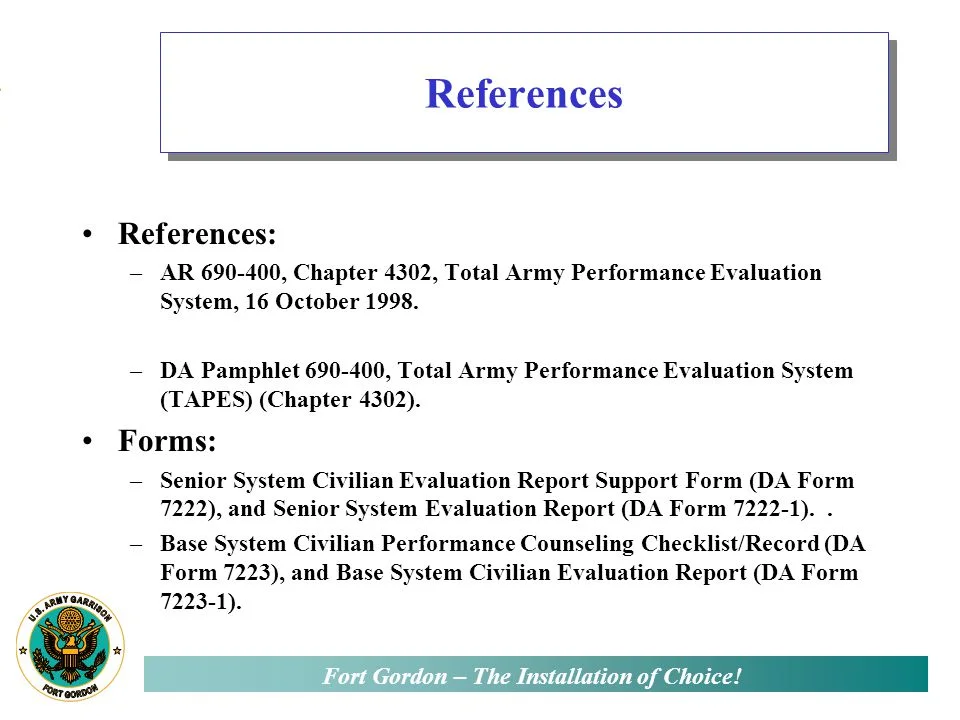
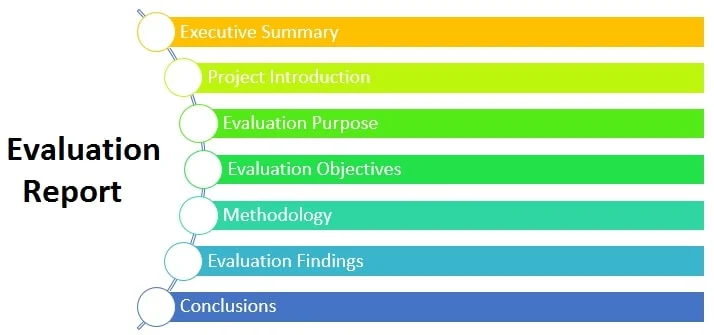
The process is separate from Army administrative systems. Understanding Army EES overview may help when researching evaluation records, but the Evaluation Entry System does not replace the NPRC request process for a DD-214.
Complete and send the request
Use plain, consistent information throughout the form. If your name changed after service, list the military name in the section asking for the name used during service, then explain the later name where appropriate. State exactly what you want, such as “one copy of my DD-214” or “my complete Official Military Personnel File”.
Sign the request by hand when the instructions require an original signature. A typed name may not satisfy the identity requirement. Do not send your original passport, birth certificate or discharge document unless an official instruction specifically requires it; provide copies instead.
For an Australian applicant, international postage through Australia Post can take longer than domestic mail, particularly around Christmas and the New Year shutdown period. Use tracked international post when sending documents and retain the receipt. Check the time difference between Australia and the United States before attempting to contact the archive by telephone.
Track access and delivery
The archive does not usually charge a fee for a basic copy of a military personnel record. Charges may apply for special services or extensive research, so read any response carefully before paying. Be cautious of private websites that charge to submit a form that is available through the U.S. government at no cost.
Processing time varies with workload, the age of the record, the complexity of the search and whether the record is complete. A fire at the NPRC in 1973 destroyed or damaged many Army and Air Force personnel records, so alternative sources may sometimes be needed. If the archive cannot locate the file, it may request more information or suggest other records.
Keep a practical record of your request
- Save the completed form, attachments and submission date
- Record the tracking number for any international post
- Keep copies of replies, follow-up requests and identity documents
- Note which agency or employer is waiting for the DD-214
If you need evidence for an Australian claim, remember that the Department of Veterans’ Affairs may ask for U.S. service records but does not control the NPRC search. Australian privacy obligations, including the Privacy Act 1988, may affect how a local organisation stores your document, but U.S. access rules govern the archive’s release.
Check accuracy and request corrections
When the copy arrives, compare the name, service dates, character of service, separation code, awards and occupational specialty with your own records. Scan the document at a readable resolution and store it securely. A password-protected digital folder and a separate backup can prevent the need for another international request.
If information is missing or incorrect, first determine whether the issue is an archive copy problem or an error in the original military record. Contact the NPRC if pages appear to be missing from the supplied file. For substantive corrections, the appropriate service correction board may require supporting evidence such as orders, award certificates, pay records or witness statements.
Administrative records often need supporting paperwork, whether the matter involves separation documents, evaluations or equipment. For a related example of formal Army documentation, an AER request guide shows why dates, descriptions and evidence should be organised before submission. A complete, legible DD-214 can then be used with the agency, employer or education provider that requested it.