Preparing for a Promotion Board as a Staff Sergeant
A promotion board for Staff Sergeant is a test of readiness, judgement and leadership, not simply a review of your service record. Board members want to see whether you can operate at the next level, develop soldiers and make sound decisions when information is incomplete.
Preparation should begin well before the board date. Build a clear record of achievements, review your military education, practise answering questions aloud and identify gaps in your knowledge. A confident appearance matters, but credible answers and professional self-awareness matter more.
For Army personnel living in Australia, practical routines may look different from those at a home station in the United States. A long commute across Sydney or Brisbane, limited access to a printer and the temptation to manage documents from a mobile phone can affect preparation time.
Local conditions do not change U.S. Army promotion requirements. If you are stationed in Australia or working with Australian Defence Force personnel, continue using approved Army systems and your chain of command. Also handle evaluation and personnel records carefully under Army policy and Australia’s Privacy Act 1988 when local workplaces or shared devices are involved.
Understand What The Board Measures
A promotion board normally evaluates your potential for increased responsibility. Expect questions about leadership, Army values, training management, counselling, physical readiness, standards and your understanding of the duties expected from a Staff Sergeant.
Your answers should connect doctrine with experience. Instead of reciting a definition, explain how you applied it during a field exercise, corrected a training deficiency or supported a soldier facing a personal problem. Use a simple structure: describe the situation, explain your action and state the result.
Review your current duty position and the role above it. A strong candidate can explain how to manage competing priorities, enforce standards fairly and preserve trust within a section or platoon. Board members may also notice whether you accept responsibility without blaming subordinates or circumstances.
Build A Reliable Record
Start with your evaluation reports, awards, military schooling, weapons qualifications, physical fitness results and leadership achievements. Check dates, duty titles and personal information against the records available to you. If something appears incomplete, raise it early through the appropriate administrative channel.
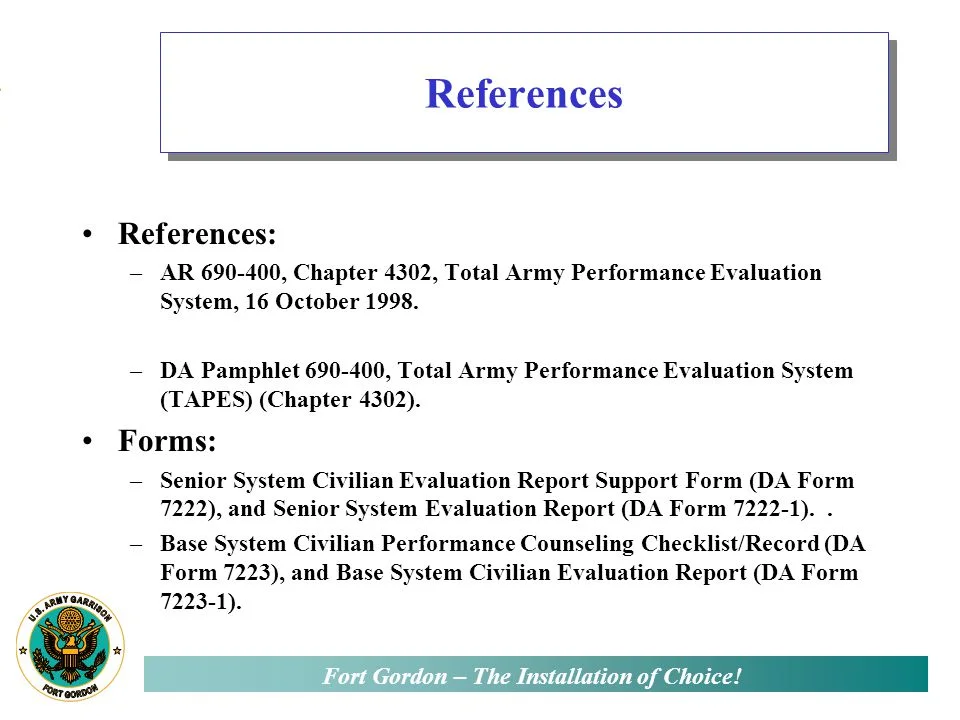
For a practical explanation of how evaluation information may be entered and reviewed, consult the EES user guide. EES Army is an informational resource rather than an official government portal, so confirm requirements with your unit, S-1 or the latest Army guidance.
Keep digital files organised with clear names and dates. A folder containing your board packet, training certificates, evaluation documents and award narratives is easier to review than a collection of screenshots. If you print documents at an Officeworks store in Melbourne or Perth, check every page before submitting anything and avoid leaving personal records on a public printer.
Turn Experience Into Strong Answers
Your record should support a consistent leadership story. Select several examples that demonstrate training improvement, disciplined initiative, care for soldiers, mission accomplishment and ethical decision-making. Prepare examples from routine duties as well as demanding exercises; board members often learn more from ordinary leadership problems than dramatic events.
| Preparation area |
Evidence to review |
What your answer should show |
| Soldier development |
Counselling, schools, coaching |
You build capable and accountable soldiers |
| Mission performance |
Training results, readiness, outcomes |
You plan, supervise and assess effectively |
| Army values |
Difficult decisions and corrections |
You act ethically under pressure |
| Professional growth |
Courses, self-study, feedback |
You recognise gaps and improve |
| Administrative accuracy |
Evaluations, awards and records |
You manage details that affect soldiers |
Practise without memorising a script. Rehearsing with a senior NCO, trusted colleague or mentor can expose habits such as speaking too quickly, giving vague answers or using excessive jargon. Ask for direct feedback on posture, eye contact, clarity and whether each response actually answers the question.
If you are preparing after work in Adelaide or Canberra, short daily sessions are often more effective than one exhausting weekend. Record yourself on a secure device, review the answer and refine it. Do not store sensitive documents or recordings on shared household accounts.
Review Promotion And Personnel Policies
Know the promotion system that applies to your rank and component. Review eligibility, required professional military education, promotion points where relevant, board procedures and the documents your unit expects. Requirements can change, so rely on current official instructions rather than an old checklist saved by a former colleague.
Also examine your evaluation history. An NCOER can influence how board members understand your performance, potential and progression. Look for consistency between duty descriptions, accomplishments, rater comments and senior-rater assessments. If a report contains an error, seek advice before the board rather than trying to explain a preventable discrepancy during questioning.
Promotion points may include education, awards, training and other recognised achievements, but points alone do not replace leadership credibility. Be ready to explain what you learned from courses and how you applied it. A certificate is evidence of participation; a measurable improvement in a team is evidence of leadership.
Prepare Your Professional Presence
Arrive early enough to manage transport delays, security procedures and last-minute document checks. In cities such as Sydney, traffic and public transport disruptions can turn a reasonable travel plan into a serious risk, so build in extra time. Wear the required uniform correctly and inspect insignia, footwear, grooming and identification the evening before.
During the board, listen to the entire question before answering. If you do not know an answer, say so professionally and explain how you would find the correct information. Guessing can damage credibility more than acknowledging a knowledge gap and showing a responsible course of action.
Your bearing should communicate confidence without arrogance. Sit upright, address the board appropriately, keep answers focused and avoid nervous filler words. Australian workplace habits may favour a relaxed conversational style, but a formal Army board still requires military customs, courtesies and clear professional language.
Complete A Final Preparation Routine
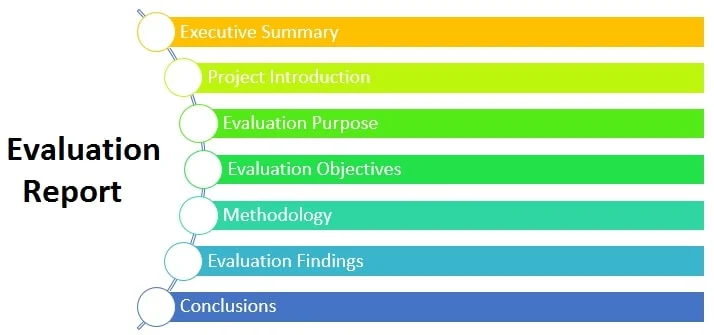
A final review should confirm that your documents, knowledge and presentation support the same message: you are ready to lead at the next level. Use the evaluation system overview to refresh your understanding of how evaluation-related information is handled, then verify details through official Army sources.
Focus on practical preparation rather than trying to predict every possible question. The following checklist can keep the final week organised:
- Confirm the board date, location, reporting time, uniform and required documents.
- Review Army values, leadership principles, current duties and the responsibilities of a Staff Sergeant.
- Check NCOERs, awards, qualifications, military education and personnel data for errors.
- Prepare several concise examples involving counselling, training, discipline and mission results.
- Conduct at least one realistic mock board with feedback from a senior NCO.
- Plan transport, meals, sleep and document storage, especially if travelling between Australian cities.
- Arrive composed, answer honestly and demonstrate that you learn from experience.
Treat the board as an opportunity to show professional maturity rather than as a performance requiring perfect memorisation. Accurate records, thoughtful examples and steady military bearing give the panel a reliable picture of how you will serve soldiers and the Army as a Staff Sergeant.