How to Locate Your iPERMS Account Using DS Logon
The Interactive Personnel Electronic Records Management System, commonly called iPERMS, stores important Army personnel documents in a secure electronic record. These files may include evaluation reports, awards, training records, separation documents, and other official items used throughout a military career.
A DS Logon provides a digital identity for accessing selected Department of Defense and Department of Veterans Affairs services. When you use it to reach iPERMS, you are generally locating your existing personnel record rather than creating a separate iPERMS username and password.
Access can vary according to your military status, account verification level, and current Army permissions. The steps below explain how to prepare, sign in, identify the correct record, and handle common access problems without creating duplicate accounts.
Understanding The iPERMS And DS Logon Connection
iPERMS is connected to personnel information maintained by the Army. It is not a general cloud storage account where users independently register and upload every document. Your records are associated with identifying information such as your name, Social Security information or service number, date of birth, and military status.
DS Logon acts as the authentication method for many military-related online services. A basic account may allow limited access, while a verified Level 2 account is commonly required for viewing protected personal records. If the system cannot confirm your identity, the sign-in process may stop before your iPERMS files appear.
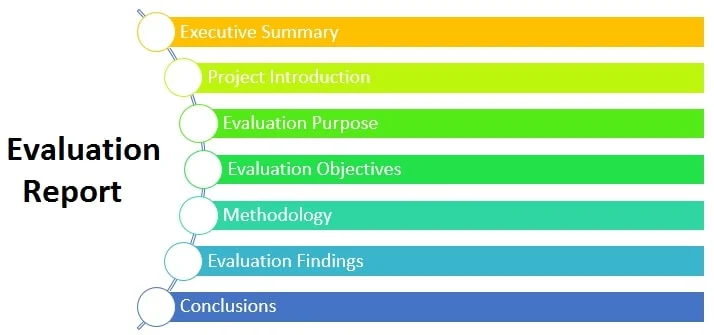
The Army’s EES Army guides can also provide broader background on evaluation reports, personnel records, and related administrative systems. This is useful when you need to understand what should be visible in your record after signing in.
Preparing Before You Sign In
Use a current browser on a trusted computer or mobile device. Enable cookies and JavaScript, avoid private browsing if the login page behaves unexpectedly, and make sure pop-up windows are allowed for official military websites. A CAC reader may be useful for some Army portals, but DS Logon access is intended to provide an identity-based alternative when available.
You should know the email address or username associated with your DS Logon and have access to the account’s verification method. If you have never created a DS Logon, use the official milConnect or Defense Manpower Data Center registration process. Identity proofing may require personal information from your military or government records.
Have your current contact details available before starting. An outdated email address or phone number can prevent password resets and multifactor authentication. Do not create a second account simply because the first login attempt fails; duplicate identities can make record matching more difficult.
Signing In And Locating Your Record
Begin at the official iPERMS access page or reach it through an authenticated Army personnel portal. Select the DS Logon option when it is offered, then enter your credentials and complete any multifactor authentication step. Read the security notice carefully and continue only through a legitimate .mil or approved government sign-in page.
After authentication, look for a personnel records, documents, or iPERMS option. The exact menu name can change as Army systems are updated. If the portal redirects you to another approved service, follow that transition rather than opening several login pages at the same time.
Once inside, confirm that the displayed name, branch, service dates, and other identifying details belong to you. If the record opens but appears incomplete, use the available search, category, or document filters. Evaluation reports may be listed under performance documents, while awards, certificates, and separation paperwork may appear in different folders.
Matching The Login Method To The Problem
Different access problems require different remedies. A forgotten password is not the same as a missing document, and a disabled DS Logon is not necessarily an iPERMS outage. Identifying the category first can reduce repeated login attempts and unnecessary account changes.
| Situation |
What It Usually Means |
Appropriate Next Step |
| DS Logon credentials are rejected |
The username, password, or verification method may be incorrect |
Use the official password recovery or account support process |
| Identity verification fails |
Personal details do not match government records |
Check entered information and contact the designated support office |
| Login succeeds but iPERMS is unavailable |
The account may lack permission or the service may be temporarily unavailable |
Confirm eligibility and check official system notices |
| iPERMS opens but documents are missing |
The record may not yet be indexed, transferred, or complete |
Contact the appropriate records or personnel office |
| A different person’s record appears |
The identity match may be wrong or the session may be stale |
Sign out immediately and report the problem through official support |
A successful DS Logon does not guarantee that every Army application will be available. Access depends on whether your status and role are authorized for that service. Former service members, retirees, National Guard personnel, Reserve members, and currently serving soldiers may see different options.
Fixing Common Access Problems
If the login page loops, clear the browser cache, close old government portal tabs, and try a supported browser. A second attempt from a different network can help identify whether the problem is local. Avoid repeatedly submitting incorrect credentials because security controls may temporarily lock the account.
When DS Logon credentials work but iPERMS does not open, check whether the portal requires CAC authentication, a specific account level, or a separate application permission. The Army may change access pathways during system maintenance or modernization. Current Army personnel guidance may help you distinguish an authentication issue from a records-management issue.
A missing document should be handled separately from a login failure. First confirm that you are viewing the correct personnel record and that filters are not hiding files. If the document is still absent, contact your unit S-1, servicing personnel office, transition assistance office, or the official iPERMS support channel. Provide the document type and relevant dates, but do not email sensitive records to an unverified address.
Protecting Access And Preserving Records
iPERMS contains personally identifiable information and career documents, so use only trusted devices and secure networks. Sign out when finished, especially on shared computers, and never save DS Logon passwords in a public browser. Treat unexpected emails requesting credentials or document uploads as potential phishing attempts.
After locating your account, review important files and note any missing evaluations, awards, or separation documents. Download or print copies only when permitted, and store them in an encrypted or otherwise protected location. Keeping a personal reference folder can make future promotion, retirement, benefits, or employment paperwork easier.
Use these habits when maintaining access:
- Keep your DS Logon contact information current.
- Use the official recovery process instead of opening duplicate accounts.
- Verify your name and service details each time a record loads.
- Record missing documents and report them through your personnel support channel.
- Sign out and protect downloaded files after every session.
Regularly checking your electronic personnel record can reveal errors before they affect a promotion packet, transfer, separation, or benefits application. Start with the official sign-in route, verify the identity information displayed, and escalate unresolved access or document issues through authorized Army support channels.