How to Interpret Your OER Part IV Rater Comments
Your Officer Evaluation Report (OER) Part IV contains the rater’s written assessment of your performance in the Army’s leadership framework. It should explain how you demonstrated character, presence, intellect, leads, develops, and achieves—not simply state that you performed well.
The most useful way to read these comments is to look for evidence, scope, results, and comparisons with expected standards. A strong narrative connects your actions to mission outcomes, team development, readiness, or organizational improvement.
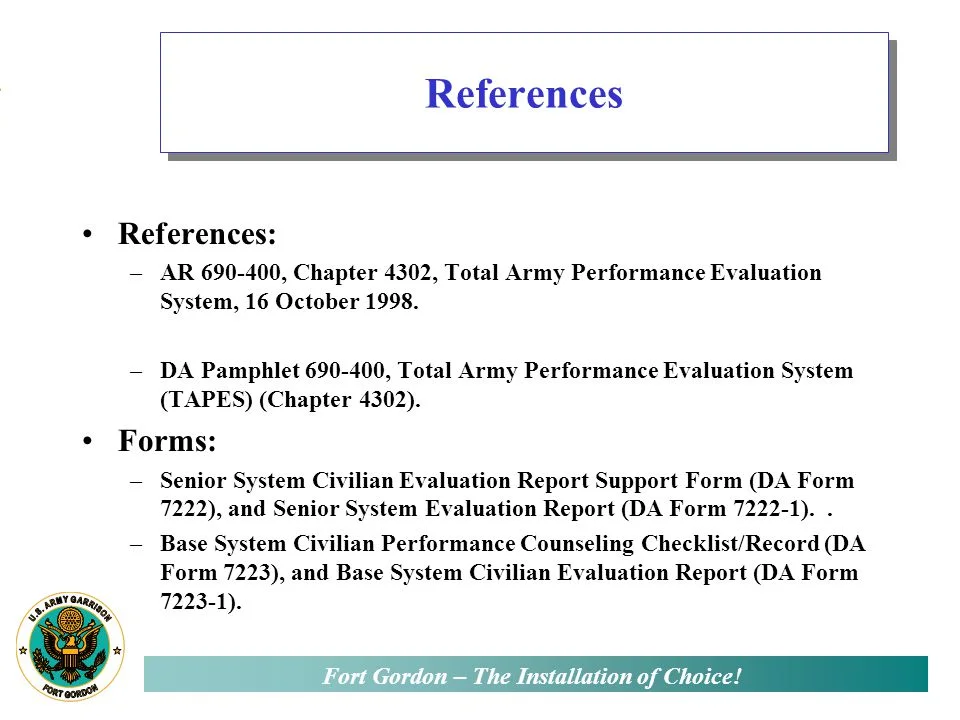
Because the OER can influence assignments, promotions, and future evaluations, review the language carefully before signing. The Army evaluation guide can provide broader context on evaluation responsibilities, forms, and administrative procedures.
Read The Structure Of Part IV
Part IV is the rater’s performance evaluation. It addresses the officer’s demonstrated attributes and competencies during the rating period. The comments should support the boxes and narrative judgments shown in the same section rather than introduce an unrelated assessment.
Begin by identifying which leadership attribute or competency each sentence supports. For example, a statement about maintaining equipment readiness may support Achieves, while coaching junior officers may support Develops. A single accomplishment can demonstrate several competencies, but the wording should make the connection understandable.
Translate Praise Into Evidence
Words such as “outstanding,” “dedicated,” and “proficient” are positive, but they are less informative than specific evidence. Look for the action the officer took, the environment or scope in which it occurred, and the measurable effect. “Led a battalion training overhaul that raised qualification rates from 82% to 96%” provides far more meaning than “excellent trainer.”
Comments may also describe influence beyond an immediate duty position. References to coordinating across units, managing a complex staff process, improving a command program, or advising senior leaders show the level at which the officer operated. Scope helps distinguish routine duty performance from contributions with broader organizational value.
Separate Performance From Potential
Part IV primarily describes what the officer did during the rating period and how effectively those responsibilities were performed. It should be read separately from the senior rater’s assessment of future potential. A rater’s strong performance comments do not automatically equal a particular future assignment recommendation.
| Comment Feature |
What It Usually Shows |
What To Examine |
| Specific action |
The officer’s direct contribution |
Whether the action is clearly attributed |
| Measurable result |
Mission or organizational impact |
Numbers, readiness gains, savings, or completion rates |
| Scope and scale |
Level of responsibility |
Team, company, battalion, brigade, or joint influence |
| Leadership behavior |
How the officer led or developed others |
Coaching, decision-making, accountability, and trust |
| Comparative language |
Standing against peers or standards |
Whether the comparison is clear and credible |
| Future-oriented wording |
Potential or suitability for broader duties |
Whether it belongs in Part IV or the senior rater section |
When comments refer to readiness for increased responsibility, interpret the wording in context. A rater may explain why an officer is prepared for more demanding duties, but the formal potential assessment and future placement recommendations generally appear in the senior rater portion.
Examine The Leadership Framework
Character comments may address trust, accountability, Army Values, ethical judgment, and the willingness to enforce standards. Presence can involve confidence, resilience, fitness, bearing, and the ability to remain effective under pressure. Intellect often appears through sound judgment, innovation, technical expertise, and adaptability.
The competency areas describe how those attributes were applied. Leads may involve influencing teams and making decisions; Develops may involve counseling, mentorship, and building subordinate capability; Achieves usually focuses on accomplishing missions and producing results. Read the entire passage instead of isolating a flattering phrase from the larger assessment.
Check Ratings Against The Narrative
The narrative and check-box ratings should tell a consistent story. If the rater marks a competency at a high level but provides only generic comments, the evaluation may lack the detail needed to explain that judgment. Conversely, a dramatic accomplishment should normally be reflected in the appropriate performance ratings.
Consider whether the comments describe sustained performance or a single event. One successful project can be important, but the evaluation period should show how consistently the officer met responsibilities. Also check whether any negative or limiting language is easy to miss, such as “with supervision,” “in a limited role,” or “met expectations in routine duties.”
The rater profile is a separate consideration from the wording of Part IV. Profile information reflects how the rater distributes assessments among officers and can affect how a report is viewed. The narrative still matters because it gives promotion and assignment boards the evidence behind the recorded ratings.
Practical Steps Before Signing
Read the OER several times, first for the overall message and then for factual accuracy. Compare the comments with counseling records, award narratives, mission results, and documented responsibilities from the rating period.
- Mark every action, result, number, and scope indicator in the narrative.
- Confirm that names, dates, organizations, duty titles, and accomplishments are accurate.
- Identify vague phrases that do not explain your contribution or measurable impact.
- Check that the narrative supports the selected attributes and competencies.
- Prepare concise factual corrections and discuss them through the proper rating chain.
A disagreement does not automatically mean the report is administratively invalid. The Army evaluation process gives the rated officer an opportunity to review and comment, while formal appeals generally require evidence of an error, injustice, or violation of policy. Keep copies of the signed report and related supporting documents for your records.
Use The OER As A Career Record
Your Part IV comments can reveal how the rater sees your leadership identity. Repeated references to developing people, solving complex problems, building readiness, or influencing outside your assigned section may help you recognize strengths to carry into future positions.
They can also identify gaps. If the report emphasizes technical achievement but says little about mentorship, communication, or organizational influence, those areas may deserve attention in the next rating period. Resources on a senior rater narrative can help distinguish performance evidence from broader potential language.
For officers preparing for a board, the OER should be part of a larger record review. Ensure that accomplishments in the evaluation are consistent with your official file and that supporting documents are available in the appropriate personnel systems. Guidance on preparing for a command selection board may help you connect evaluation language with your professional record.
Read Part IV as an evidence-based explanation of your performance, not as a collection of compliments. When each comment is tied to an action, result, leadership competency, and appropriate scope, you can better understand the assessment and identify factual issues before the report becomes part of your permanent record.