Identifying the Right Senior Rater for Your NCOER
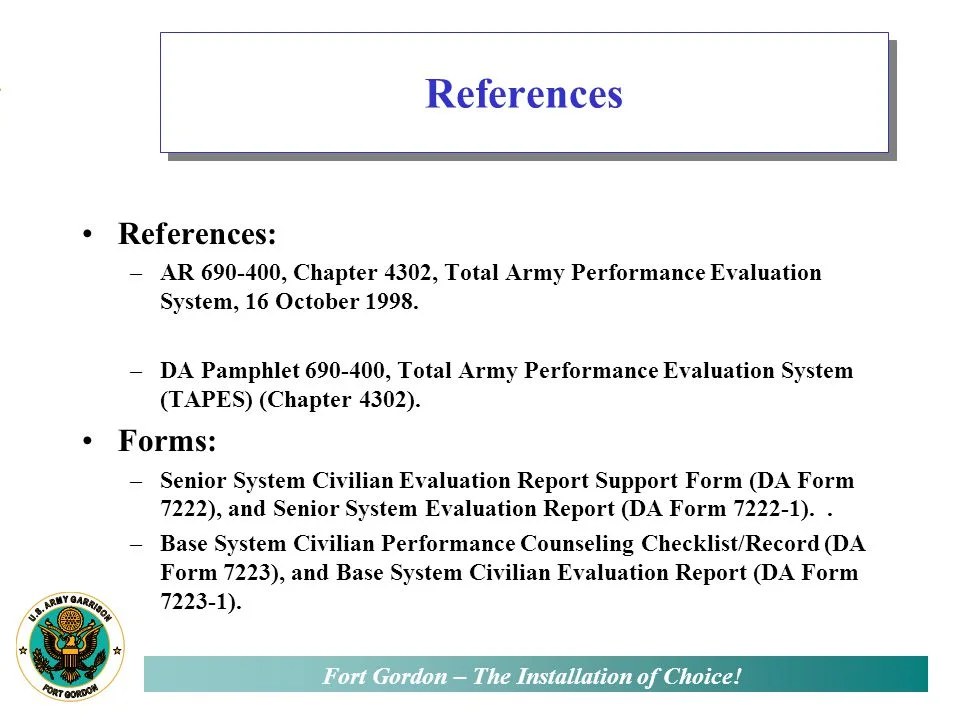
An NCOER records a Noncommissioned Officer’s performance and potential during a defined rating period. Its senior-rater block identifies the senior Noncommissioned Officer who reviewed the evaluation, not necessarily the Soldier’s day-to-day supervisor. Getting that name and rank right matters because the record can be used during promotion consideration, assignments and career reviews.
Australian readers should not transfer local Army assumptions directly to the U.S. system. An Australian Warrant Officer Class 2 may be called a sergeant major, while the U.S. NCOER structure uses ranks such as Sergeant, Staff Sergeant and Sergeant First Class. Diggers may casually call a senior NCO “boss”, but an official NCOER needs the formal name, grade and leadership position.
This guide explains the general process for finding and confirming the correct person. It is not official Army direction: the applicable regulation, unit orders and the decisions of authorised personnel or human-resources staff take precedence. Dates are another difference to watch; an Australian date such as 27/04/2026 may appear as 04/27/2026 on a U.S. record.
Separate the senior rater from the rater
The rater is the supervisor responsible for evaluating the Soldier’s performance. The senior rater is normally the next senior NCO above that rater in the chain of command and normally holds the next higher grade. Depending on the unit, a platoon sergeant may review a squad leader, while a first sergeant or command sergeant major may occupy the next review level. The senior rater provides a second check that the evaluation is accurate, supported and fair.
Being the highest-ranking NCO available does not automatically make someone the correct senior rater. Position, chain of command and the circumstances of the rating period matter. The individual named for the senior-rater role must have held the proper relationship to the rated Soldier when the evaluation was completed. General terminology and related NCOER explanations are available in the EES Army guides, but official unit instructions remain controlling.
Trace the chain of command
Begin with the NCOER’s rating period and the Soldier’s assignment. Identify the immediate rater, then move through the leadership chain to the senior NCO position that should review that evaluation. Use the unit organisation chart, duty position, official orders, the Army Evaluation Entry System and IPPS-A data to test each link. A familiar organisational chart showing today’s leaders may not show who held authority months earlier.
Local addresses do not determine command authority. For example, a family living in Logan, a local government area south of Brisbane, may have an Australian postal address while the NCOER belongs to a U.S. unit elsewhere. The City of Logan website helps residents find local services, but neither an Australian address nor a family relationship identifies the senior rater. The Soldier’s official assignment is the relevant starting point.
Match the senior rater to the rating period
Read the dates on the evaluation before searching for a current holder of a position. A Soldier may have changed companies, detached to another formation, deployed or served under a temporary leader. The current command sergeant major, for instance, may have arrived after the rating period. Conversely, someone who no longer holds the job may have been the correct senior rater when the NCOER was prepared.
Temporary duty also needs care. A Soldier performing a leader’s duties can affect day-to-day supervision without automatically changing the formal rater or senior-rater designation. Ask the unit to determine the correct treatment using the governing directive, the documented source of authority and the dates attached to the assignment. Do not infer the answer solely from a current personnel profile or a signed statement in an email.
Resolve gaps and disputed assignments
A mismatch can result from a vacancy, backfill, transition between formations, leave or an administrative entry error. It is not sound to replace the printed name simply because another NCO is better known or is currently in the role. Preserve the original record, note the exact discrepancy and send it through the unit’s personnel or NCO leadership channel for determination.
Contact details also need checking before anyone tries to obtain a statement. iPERMS records hold information used to reach personnel, and the dependent records guide explains how family-record updates are handled. Correcting an iPERMS entry may make contact easier, but it does not establish command authority or identify the proper senior rater.
A practical verification checklist
Work through identity and authority before treating the name on the form as settled. Separate factual checks from the administrative request for correction.
First, establish the Soldier’s position and leadership chain:
- Compare the NCOER rating dates with IPPS-A assignments and personnel data.
- Identify the immediate rater, then identify the next senior NCO above that rater.
- Confirm the person’s grade, duty position and leadership relationship at the time.
- Check unit orders, the organisation chart and any authorised temporary-duty documentation.
- Ask the unit S1 personnel office, first sergeant or command sergeant major to confirm the reporting line.
Next, test the proposed senior rater against the record:
- Was the person in the required place in the chain during the rating period?
- Did the person hold the proper senior-NCO or acting appointment?
- Could leave, deployment, vacancy or reassignment explain the apparent mismatch?
- Does the senior-rater block match the name, rank and component shown elsewhere?
- If evidence conflicts, seek a formal unit decision before accepting the NCOER.
A clean match should connect a name and rank to a documented position, dates and reporting line. If those elements conflict, treat the discrepancy as a record issue rather than choosing the most plausible-looking individual. The reviewer should also explain which period is covered and whether the evaluation needs correction.
Confirm the outcome and preserve the evidence
Keep copies of the NCOER, the assignment documents and any written determination from the unit. If the senior rater was entered incorrectly, follow the unit’s approved correction process rather than annotating the form informally. Personnel staff should establish the governing authority and document the resolution in the system of record, especially where the report could be reviewed outside the originating unit.
For related personnel and administrative topics, the more EES Army stories collection can help explain iPERMS, identification and evaluation processes without replacing official guidance. When contacting a U.S. unit from Australia, remember that Queensland remains on Australian Eastern Standard Time without daylight saving, while many units work on Eastern or Pacific Time. An email sent during Australian office hours may arrive after the U.S. unit has closed for the day.
The defensible identification is the person whose formal position, grade and chain-of-command relationship align with the NCOER’s rating period, and whose identity is confirmed by the authorised unit record. Rank, personal familiarity or length of service alone cannot replace those checks.