Handling a Lost Military ID Card While on Leave Overseas
Losing a military identification card while travelling can turn a relaxing break into an urgent administrative problem. A Common Access Card (CAC), dependent ID, or other U.S. military ID may be needed for identification, travel, accommodation, base access, and access to online systems. Acting quickly helps reduce the risk of misuse and gives your chain of command a clear record of what happened.
Australia adds a few practical considerations. Distances between cities can be substantial, public holidays may close offices, and a trip from Sydney to Cairns, Perth, or Darwin can make an in-person replacement difficult. The process is manageable when you report the loss promptly, secure your personal information, and coordinate with the nearest U.S. military support office.
Take immediate steps after the loss
Retrace your movements while keeping the search brief. Check taxis, rideshare vehicles, hotel reception, airport security points, beach bags, rental cars, and venues visited during the day. If the card was lost at a major airport such as Sydney, Melbourne, or Brisbane, contact the airport’s lost property team as soon as possible.
Do not delay reporting the loss while waiting to see whether someone returns it. Contact your unit, duty officer, sponsor, or command representative and explain when and where the card disappeared. If you believe it was stolen, report the matter to the local police. In Australia, call Triple Zero (000) only for an emergency; for a non-urgent report, use the relevant state or territory police process and request an event or reference number.
If your wallet contained bank cards, cancel or freeze them through your financial institution. Change passwords if the card was stored with written login details, and monitor accounts for unusual activity. A CAC does not usually contain the same information as a bank card, but its loss can still expose personal and military details.
Notify the right military office
The first military contact should normally be your unit or command, not a random office found online. Your unit can explain local reporting requirements, notify security personnel, and identify the nearest replacement option. Keep a record of names, times, phone numbers, and instructions, particularly when dealing with several time zones.
A U.S. embassy or consulate may provide consular assistance and help you communicate with military authorities, but it generally does not issue a replacement CAC. The U.S. Embassy in Canberra and consulates in cities such as Sydney, Melbourne, and Perth can advise on emergencies and official contacts. They may also help if your passport or other travel document was lost at the same time.
Ask whether you need a formal statement, command memo, police report, or DD Form 2875-related documentation. Requirements vary according to the card type, installation, and circumstances. A dependent or contractor may have a different replacement route from an active-duty soldier, so identify the cardholder category clearly.
Arrange a replacement or temporary credential
A replacement CAC normally requires an authorised ID card facility, such as a RAPIDS site, and identity verification. The office may ask for a passport, driver’s licence, military orders, sponsor information, or a police report. Bring every available identity document, but do not assume an Australian driver’s licence alone will meet U.S. military requirements.
Call before travelling to an ID office. Confirm opening hours, appointment rules, accepted documents, and whether the office can handle an overseas leave case. This matters during Australian public holidays, when offices may close even though hotels, airports, and shops remain open. It also matters in regional areas, where the nearest suitable office may be several hours away.
If immediate replacement is impossible, ask your command what temporary documentation is available. A letter from your unit may support travel or administrative needs, but it is not automatically a substitute for a CAC at a controlled installation. Do not try to enter a military facility using another person’s card or an altered document.
Protect travel and accommodation arrangements
A lost military ID can affect flights, domestic transport, hotel check-in, and access to restricted areas. Contact your airline or travel provider if the card was part of the identification used for a booking. Carry your passport separately from other documents, and keep photocopies or secure digital copies of relevant records without storing sensitive images in an unsecured public folder.
Australian accommodation providers usually accept a passport or Australian driver’s licence for check-in, but individual policies differ. If you are travelling with a vehicle, keep your licence, rental agreement, and insurance information available. For public transport, replace or secure local payment cards such as an Opal card in New South Wales or a Myki card in Victoria if they were lost with the wallet.
Long distances can complicate a same-day appointment. Someone staying near Hobart, Alice Springs, or the Gold Coast may need to coordinate with a distant support location. Ask your unit whether leave dates, travel arrangements, or a change of location should be documented while the replacement is pending.
Keep an organised record of the incident
Create a short written timeline covering the last confirmed sighting, likely loss location, police report details, command notification, and replacement appointment. Save emails and screenshots of official instructions. This evidence can be useful if the card is later used improperly or if your unit needs to review the incident.
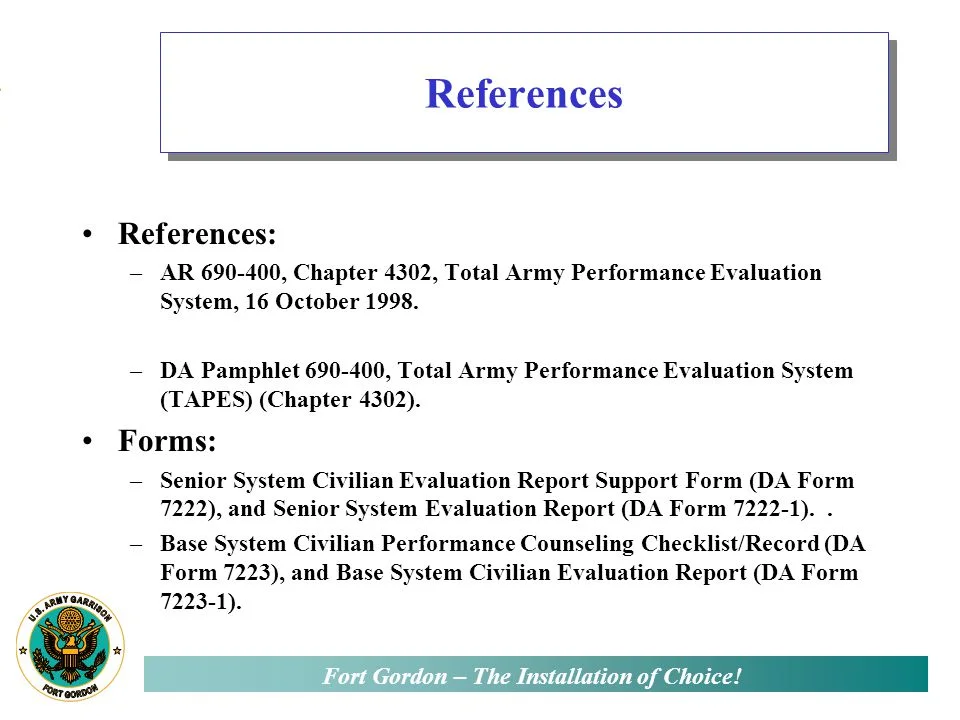
Use official military and government channels when searching for instructions. General administrative knowledge can help you understand related processes, including the Army evaluation system, but an informational website is not a substitute for your command, a RAPIDS facility, or embassy guidance.
Follow information-security requirements after the loss. If you used the card to access Army systems, follow your unit’s instructions for credential suspension, account review, and possible certificate revocation. Avoid posting photographs of the card, report, or replacement paperwork in social media groups, even when asking for local advice.
Complete follow-up after the replacement
Once a new card is issued, test the functions you actually need. Confirm access to approved systems, installation entry, travel-related records, and any dependent or family services. If the old card is recovered, do not use it; follow the issuing office’s instructions for return or destruction.
Update your wallet and document storage habits. Keep the CAC separate from your passport, use a secure sleeve, and avoid leaving it in a rental car, checked luggage, or unattended hotel room. Store command contact details offline so you can call for help if your phone is lost as well.
The incident may also prompt broader personnel administration. Keep copies of official reports with your leave paperwork and review any deadlines affected by the disruption. If the lost card delays access to records connected with career administration, resources explaining promotion points may provide background, while your S-1 or career counsellor remains the proper source for current Army decisions.
A practical checklist for overseas leave
- Notify your unit, duty officer, or command representative immediately.
- Report suspected theft to the relevant Australian state or territory police service.
- Obtain a police event number or written report when available.
- Contact the nearest U.S. embassy or consulate if travel documents were also lost.
- Confirm replacement requirements with an authorised RAPIDS or military ID office.
- Secure bank cards, passwords, accounts, and local transport cards.
- Keep a written timeline and copies of every official instruction.