Resolving Conflicting NCOER And OER Dates
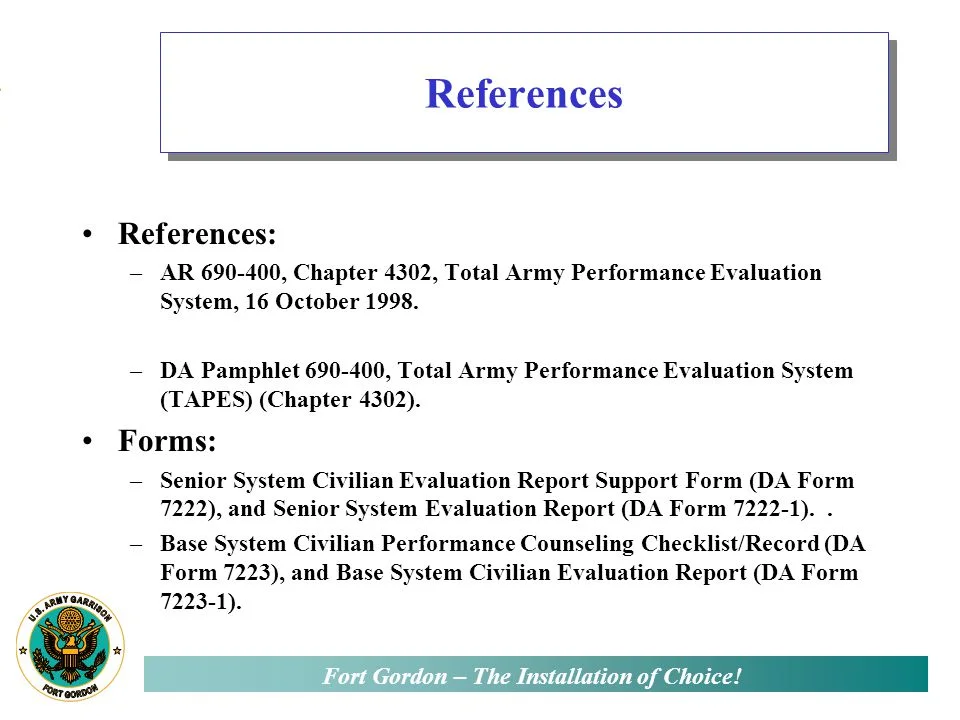
A date mismatch between an NCOER and an OER can affect a Soldier’s official performance history, promotion file, and command review. The discrepancy may involve the evaluation period, the “Thru” date, the date of signatures, or the date the document was uploaded to the Army Military Human Resource Record.
For Australian readers supporting U.S. Army personnel in Sydney, Melbourne, Canberra, or at joint activities such as Exercise Talisman Sabre, the terminology can be unfamiliar. An NCOER generally applies to non-commissioned officers, while an OER applies to commissioned officers and warrant officers. Their systems, forms, and approval routes are related but not identical.
The first priority is to identify which dates conflict and where each date appears. A document may show an accurate rating period while iPERMS or another personnel record displays a later filing date. Treating every difference as an error can create unnecessary delays, so compare the source documents before requesting a correction.
Identify The Type Of Date Discrepancy
The evaluation period is the period during which the rater observed and assessed the Soldier. The “Thru” date normally marks the end of that period. This date is different from the date the rater or senior rater signed the form, the date the commander approved it, and the date the record was uploaded.
A common problem occurs when a report is signed after the rating period has ended. For example, an NCOER might cover duties through 30 June, receive final signatures on 12 July, and appear in the personnel record on 20 July. Those dates are not automatically inconsistent. The problem becomes material when the form itself shows the wrong period or overlaps another evaluation.
Check whether the discrepancy is between an NCOER and an OER for the same person, between successive reports, or between a form and the personnel database. Also look for gaps, duplicate periods, an incorrect change-of-duty date, or an evaluation that appears to cover time assigned to a different unit.
Gather The Supporting Record
Download or obtain readable copies of both evaluations and preserve the original file names. Compare the first and last day of each rating period, duty position, rated months, reason for submission, rater identity, senior-rater identity, and signature dates. A screenshot of a search result is useful, but the complete signed form is stronger evidence.
Review related records such as assignment orders, change-of-duty paperwork, leave records, relief-for-cause documentation, and approved amendments. If the issue involves a transfer between an Australian posting and a U.S. installation, note the actual reporting and departure dates rather than relying on local calendar entries or email timestamps.
The EES Army login may help you access general system guidance, but it should not be treated as an official government portal. Do not send personal identifiers, evaluation forms, or service records to an unauthorised commercial contact merely because the website discusses Army administrative procedures.
Raise The Issue Through The Correct Channel
Begin with the unit S1 or administrative office and the rating chain. Explain the issue in a short chronology: what the correct rating period should be, what the document states, where the conflicting date appears, and which records support your position. Clear documentation is usually more effective than an allegation that the report is simply “wrong.”
If the evaluation is still in preparation or awaiting signatures, the chain of command may be able to correct it before final submission. If it has already been filed, ask the S1 or servicing personnel office which correction or appeal route applies. The appropriate authority can vary according to the error, the form involved, and whether the report is administrative or substantive.
For a Soldier in Australia, time-zone differences can complicate communication with U.S.-based offices. Canberra and eastern Australian locations may be many hours ahead of the United States, with daylight-saving changes affecting the difference. Keep copies of emails, ticket numbers, and call notes so the timeline remains clear when offices respond during different business hours.
Protect Promotion And Record Deadlines
A date error can become urgent when a promotion board, command evaluation, transfer, or separation action is approaching. Ask the personnel office whether the disputed report is already visible to the board or included in the official performance file. Do not assume that submitting a correction request automatically removes or replaces the original document.
If a board deadline is near, identify the available administrative remedies and comply with the published suspense date. You may need to submit a statement, supporting documents, or a request for correction through the command channel while the underlying review continues. Keep the language factual and explain the practical effect of the discrepancy on service history or eligibility.
A command evaluation preparation guide can help organise documents and identify missing records; the evaluation file guide is a useful general reference. It does not replace instructions from the rating chain, S1, Human Resources Command, or the applicable Army regulation.
Keep A Complete Correction Trail
Maintain a private folder containing the original NCOER or OER, the disputed version, supporting orders, correspondence, submission receipts, and any corrected copy. Use consistent file names that include the report type and rating period, such as “NCOER_2023-07-01_to_2024-06-30.” Avoid editing the original form yourself because an altered copy may be rejected as unreliable.
After a correction is approved, verify the result in the relevant personnel record rather than relying only on a verbal assurance. Confirm that the corrected document is legible, the rating period is accurate, signatures remain valid, and the old version has been handled according to the responsible office’s instructions.
Australian-based personnel should also consider record security. A local printing shop, migration adviser, or private military administration service may offer scanning or document assistance, but these businesses do not have authority to amend U.S. Army records. Use approved channels, secure devices, and official contact details when handling performance documents.
Practical Steps For A Clean Resolution
- Compare the NCOER or OER rating period with assignment, duty-status, and transfer records.
- Separate the “Thru” date from signature, approval, upload, and filing dates.
- Ask the unit S1 or administrative office whether the problem is administrative or substantive.
- Create a short chronology with copies of the evidence and the specific correction requested.
- Check promotion-board or command-review suspenses before submitting the request.
- Verify the corrected record after approval and retain the complete correspondence trail.