How to Get a Retiree ID Card After Leaving Active Duty
Leaving active duty does not automatically mean you can receive a military retiree identification card. Eligibility depends on your retirement status, length of service, medical retirement determination, or another qualifying category recognized by the Department of Defense.
The process is usually completed through a Real-Time Automated Personnel Identification System (RAPIDS) site. Before visiting, confirm your status in the Defense Enrollment Eligibility Reporting System (DEERS), gather the required records, and schedule an appointment through the official ID Card Office Online locator.
Confirm Your Retiree Eligibility
A standard retiree ID card is generally available to service members who have completed the required career service and entered military retirement. Many regular Army Soldiers qualify after 20 years of active service, while medical retirees and certain early-retirement categories may qualify under different rules.
Leaving active duty after a normal separation does not create retiree status by itself. Veterans who separated without retirement eligibility may instead qualify for a Department of Veterans Affairs identification card, a Veterans Health Identification Card, or another credential based on service-connected disability or benefits.
Retired Reserve members may receive a retiree card when they reach the applicable retirement age, commonly age 60, although some categories allow earlier eligibility. Because individual records can include reduced-age retirement or medical provisions, check your official status rather than relying only on your separation date.
Check DEERS And Your Military Records
DEERS is the database used to verify eligibility for military benefits and identification cards. If your retirement has not been properly reflected, a RAPIDS operator may be unable to issue the card even when you completed the necessary service.
Review your retirement orders, DD-214, and other separation documents before booking an appointment. If you need to locate your service identification information, this guide on finding your military ID number can help you identify the details commonly requested during record checks.
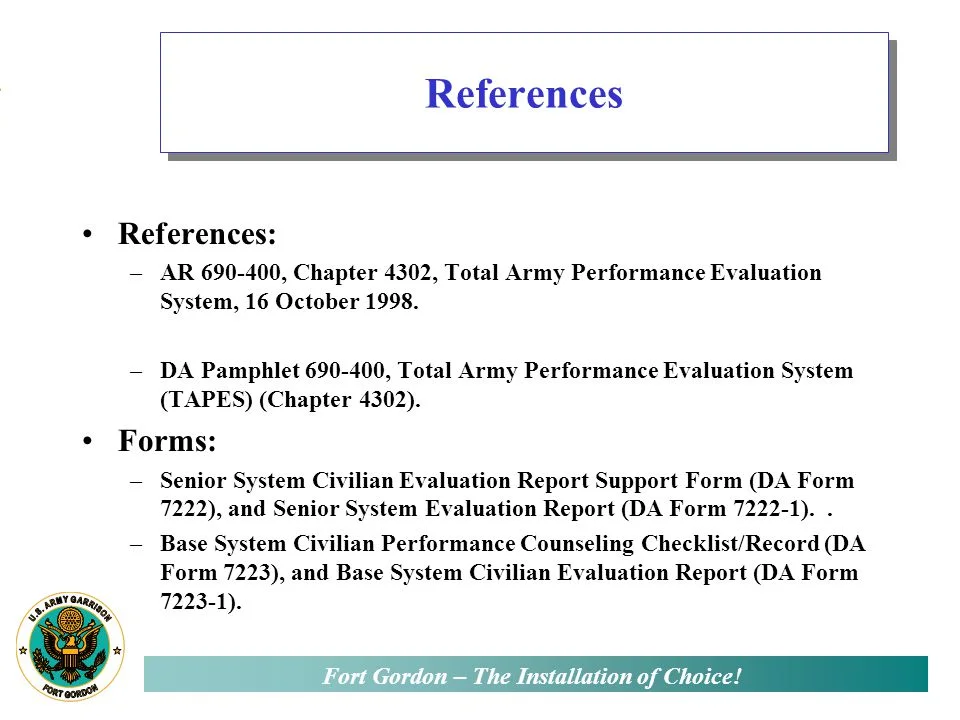
Your personnel file may also contain documents that support retirement processing. For example, Soldiers can review evaluation records through NCOER access in iPERMS, although an NCOER is not normally a substitute for retirement orders or a DD-214.
Gather Documents For The Appointment
Bring original documents or acceptable official copies. The precise requirements can vary by installation and situation, but a retiree should generally prepare a retired pay statement, retirement orders, DD-214, and a valid government-issued photo ID.
If the card is for a spouse or dependent, the sponsor’s eligibility must be established in DEERS. The dependent may need proof of identity, a birth certificate, marriage certificate, adoption record, or another document proving the relationship. Documents that are not in English may require an authorized translation.
| Situation |
Common Supporting Records |
Likely Credential |
| Regular military retirement |
Retirement orders, DD-214, government photo ID |
Retiree ID card |
| Medical retirement |
Medical retirement orders, disability documentation, photo ID |
Retiree ID card |
| Retired Reserve status |
Retirement orders or notification, photo ID |
Retired Reserve ID card |
| Separated veteran without retirement |
DD-214 and VA eligibility records |
VA or other veteran credential |
| Retiree dependent |
Sponsor record and relationship documents |
Dependent ID card |
Bring your current military ID if you still have one. When a new card is issued, the old credential may be collected or electronically invalidated. A RAPIDS site may also require additional paperwork if your name, marital status, citizenship, or other personal information has changed.
Schedule A RAPIDS Appointment
Use the official ID Card Office Online site to locate a nearby RAPIDS facility and review its appointment instructions. Some sites accept walk-ins, but appointments are usually more predictable, particularly at busy installations or during permanent-change-of-station seasons.
Select the appointment category that matches a retiree or dependent ID card request. If you are uncertain whether your record is active in DEERS, contact the site before traveling. The operator can often explain what must be corrected and whether a sponsoring office, retirement services office, or Defense Finance and Accounting Service record update is required.
Take your documents and arrive early enough for check-in. The appointment normally includes identity verification, a review of eligibility, a photograph, and issuance of the card. Do not assume every installation follows the same local procedures, because accepted documents and appointment availability can differ.
Handle Record Errors Before Issuance
A missing retirement order, incorrect service date, or incomplete DEERS record can delay the process. Start with the installation’s retirement services office if the issue concerns retirement status or orders. For pay-related discrepancies, DFAS records may need to be corrected separately from personnel records.
If your service history is incomplete, compare the dates on your DD-214, retirement orders, and pay documents. Keep scanned copies in a secure location, but bring official originals or certified copies when the ID card office requires them.
Evaluation documents may help you maintain a complete personnel archive, but they do not establish retiree eligibility by themselves. Understanding how evaluation records are organized, including the senior rater profile guide, can make broader record management easier while you resolve administrative issues.
Plan For Card Renewal And Family Access
Retiree identification cards have expiration dates and should be renewed before travel, medical appointments, or other situations that depend on current credentials. The expiration period can vary according to age, status, and the type of card issued.
Dependents should also monitor their own cards. A marriage, divorce, change in custody, loss of eligibility, or a sponsor’s change in status can affect dependent access. Report lost or stolen cards promptly so they can be invalidated and replaced.
Appointment Preparation Checklist
- Confirm that your retirement or medical retirement status appears correctly in DEERS.
- Locate your DD-214, retirement orders, retired pay statement, and valid photo identification.
- Gather relationship documents for any spouse or dependent requesting a card.
- Schedule a RAPIDS appointment and check the site’s local document requirements.
- Bring current military credentials and verify the new card before leaving the facility.
The fastest path is to verify eligibility first, then correct record problems before visiting the ID card office. Keep your retirement documents together, use an authorized RAPIDS location, and arrange renewal early enough to avoid a lapse in access.
Begin by checking your DEERS status and assembling your records. If anything appears inconsistent, contact a retirement services office or the selected RAPIDS site before scheduling the appointment so the retiree ID card request can be handled with fewer delays.