How to Replace an Expired Military ID Card
An expired military identification card can affect access to installations, medical services, commissaries, exchanges, and other benefits. The replacement process depends on your card type, eligibility status, location, and whether your information in the Defense Enrollment Eligibility Reporting System (DEERS) is current.
Most replacements are handled through a Real-Time Automated Personnel Identification System (RAPIDS) site. Before visiting, verify the required documents and appointment rules for the location you plan to use. Procedures can vary for active-duty soldiers, family members, retirees, reservists, contractors, and surviving dependents.
Why an Expired ID Card Matters
A military ID card is used to verify identity and entitlement, not simply to enter a base. Once it expires, a gate guard, medical facility, or benefits office may refuse it as valid identification. An expired card can also create problems when traveling, accessing secure buildings, or completing personnel transactions.
Some facilities may accept an expired card for a limited purpose or after additional verification, but this should not be assumed. If the card has already expired, begin the renewal or replacement process promptly rather than waiting for an upcoming trip, move, medical appointment, or retirement action.
If the card is damaged, lost, or stolen rather than merely expired, explain that circumstance when scheduling the appointment. The issuing office may apply different identity-verification requirements or direct you to a security or law-enforcement office first.
Confirm Your Eligibility And Card Type
Start by identifying the category of card you need. Common types include the Common Access Card (CAC) for eligible military and civilian personnel, the Uniformed Services Identification (USID) card for dependents and retirees, and other credential types for reserve members, contractors, and authorized beneficiaries.
Your sponsor’s status may affect renewal eligibility. A dependent may need an active sponsor record in DEERS, while a retired service member may need retirement information reflected correctly. If a marriage, divorce, adoption, birth, death, promotion, retirement, or change of address occurred recently, update the underlying personnel record before requesting a new credential.
The EES Army resource center provides general information about military administrative processes, but it is not a replacement for instructions from a RAPIDS site, personnel office, or official Army channel. Use the local issuing facility as the final authority for appointment requirements and eligibility questions.
Gather The Required Documents
Bring the expired card and any documents needed to establish identity and eligibility. A primary identity document, such as a valid state-issued driver’s license or passport, may be required. The exact combination depends on the cardholder’s situation and the issuing office’s policy.
For dependent or beneficiary renewals, the sponsor may need to attend or provide authorization. Legal documents can be important when the record has changed, including marriage certificates, divorce decrees, adoption papers, birth certificates, custody orders, or name-change documentation. Originals or certified copies may be required instead of ordinary photocopies.
Before the appointment, check whether the site requires two forms of identification, a power of attorney, a sponsor letter, or a specific form. A missing document can result in a cancelled transaction even when the expired card is available.
Schedule A RAPIDS Appointment
Use the official ID card appointment system or contact a nearby RAPIDS site to find available times. Some locations accept walk-ins, but appointment availability is often limited and local rules may change. Select the correct service, such as CAC renewal, dependent ID renewal, or USID replacement, so the staff can reserve the appropriate transaction type.
The following overview shows common expectations, but it does not replace the instructions provided by the selected facility.
| Cardholder situation |
Common next step |
Documents or details to verify |
| Active-duty service member |
Schedule CAC renewal or replacement |
Expired CAC, identity documents, current personnel record |
| Military dependent |
Request USID renewal through a RAPIDS site |
Expired card, sponsor information, proof of identity and eligibility |
| Retiree |
Confirm retirement eligibility in DEERS |
Expired USID, government-issued identification, updated records |
| Reservist or National Guard member |
Verify current duty or reserve status |
Expired CAC or USID, orders or status information if requested |
| Lost, stolen, or damaged cardholder |
Report the circumstance and follow site instructions |
Identity documents and any required report or authorization |
Arrive early with the appointment confirmation and all documents. Do not email sensitive personal information unless the office specifically provides a secure method. If the site cannot complete the renewal because of a record problem, ask which personnel, benefits, or sponsor-support office must correct it.
Resolve Common Record Problems
A RAPIDS clerk can issue a card only when the eligibility record supports the transaction. A name mismatch, inactive sponsor status, incorrect expiration date, missing dependency relationship, or outdated contact information may stop the process. These problems are administrative, but they usually must be corrected before a credential can be produced.
If the sponsor is deployed, stationed elsewhere, deceased, or otherwise unavailable, ask the issuing facility what alternatives are accepted. A power of attorney, eligibility letter, or other official authorization may help in some cases, but requirements differ by situation. Do not rely on an informal letter unless the office confirms it is sufficient.
Keep copies of relevant orders, retirement documents, dependency records, and appointment confirmations in a secure location. Military administrative records can involve several systems, so organized documentation makes it easier to explain a discrepancy and request correction.
Protect Your Records After Renewal
After receiving the replacement card, inspect the name, rank or status, expiration date, and other visible information before leaving the office. Report errors immediately. A mistake discovered later may require another appointment and can interrupt access to benefits or facilities.
Destroy or return the expired card according to the issuing office’s instructions. Do not post photographs of the front or back of a military ID online, since the card contains personal and machine-readable information. Store digital copies of supporting documents securely and limit access to people who need them for an official transaction.
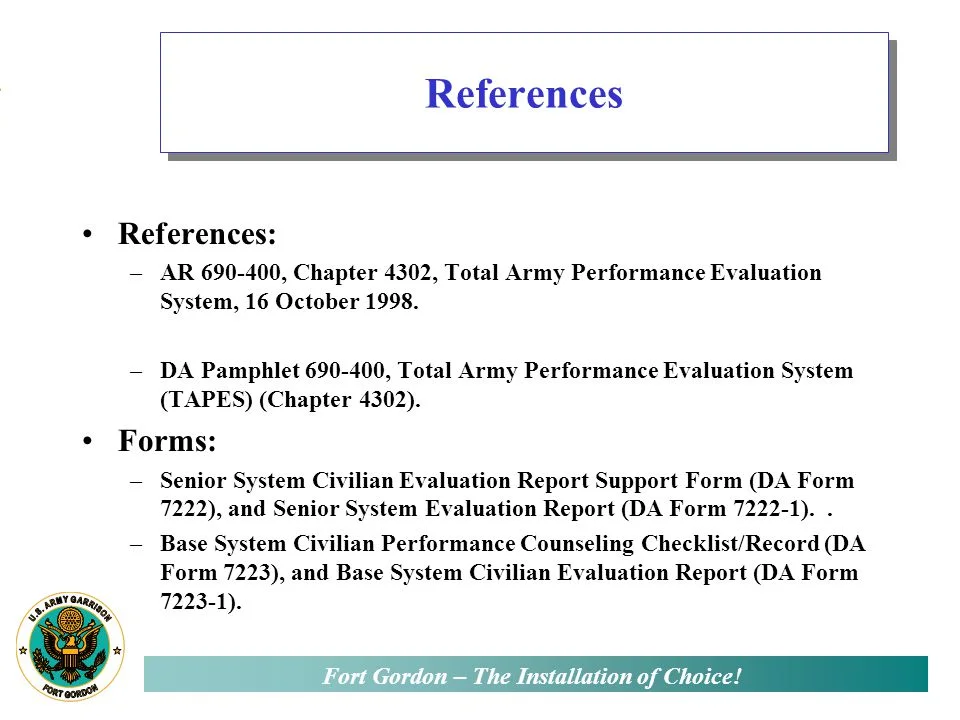
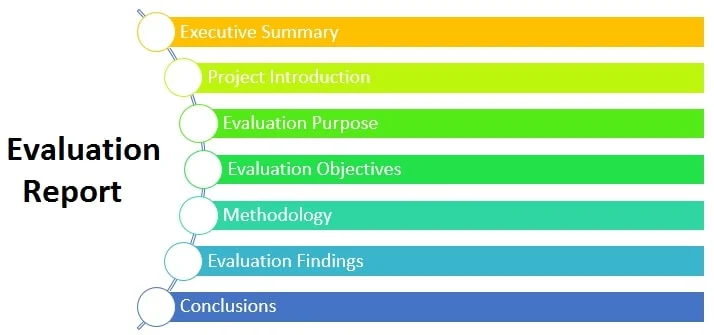
The same habit of checking official records applies to broader military administration. For example, understanding documents and evaluation processes can help personnel maintain accurate files; the rater profile guide is one example of general Army administrative information that may support record awareness.
Replacement Visit Checklist
- Confirm that your eligibility and sponsor information are current in DEERS.
- Locate a RAPIDS site and schedule the correct appointment type.
- Bring the expired card, valid identity documents, and any required legal records.
- Verify local rules for dependents, retirees, reservists, and unavailable sponsors.
- Review the new card for errors before leaving the issuing office.
Begin the renewal process as soon as your military ID expires or you discover that it will expire before an important obligation. Check the selected RAPIDS location’s current instructions, assemble your documents, and attend the appointment prepared to prevent avoidable delays.