How to Get a DD-214 for a Deceased Veteran
A DD-214 is one of the most useful documents for confirming a veteran’s military service. Families may need it to arrange burial honors, apply for survivor benefits, establish eligibility for veterans’ programs, or complete estate and memorial matters. When the former service member has died, the request follows different privacy and documentation rules than a request made by the veteran.
The National Personnel Records Center (NPRC) in St. Louis usually maintains Army separation records, including DD-214 forms. The Department of Veterans Affairs, a county veterans service office, or another agency may also have a copy, but the NPRC is often the central starting point for older military personnel files.
The process is free for most standard requests, although locating records can take time. Providing complete identifying information and proof of death can reduce delays, especially when the discharge occurred many years ago or the file was affected by the 1973 NPRC fire.
Who Can Request The Record
A surviving spouse, child, parent, or sibling may generally request a deceased veteran’s military records as next of kin. The exact order of eligibility can matter when several relatives submit requests. An authorized representative, such as an attorney or funeral director, may also request the document with appropriate written authorization.
Records less than 62 years old may be subject to privacy restrictions. The requester should include proof of the veteran’s death, such as a death certificate, obituary, funeral home statement, or official memorial record. A death certificate is usually the clearest option, but NPRC may accept other evidence depending on the circumstances.
After 62 years have passed from the veteran’s date of separation, many records become available to the public under archival access rules. Even then, providing proof of death and a clear explanation of the request can make the search easier.
Information And Documents To Gather
Before submitting a request, collect the veteran’s full name used during service, service number or Social Security number, branch, date and place of birth, dates of service, and last known unit or duty station. The separation date is especially helpful because it distinguishes between records from different periods.
Include the requester’s full name, mailing address, telephone number, email address, relationship to the veteran, and signature. A copy of the death certificate or other acceptable proof of death should accompany the request when available. If the veteran’s name changed after service, provide both the military name and later legal name.
A DD-214 may have been issued under older form numbers or may be described as a Certificate of Release or Discharge from Active Duty. If the family needs the record for burial honors, state benefits, or federal compensation, explain that purpose in the request and ask for the complete separation document rather than a limited service verification.
Choose The Right Request Method
The standard method is to complete VA Form request? Need accurate: Standard Form 180 (SF-180), Request Pertaining to Military Records. Can submit via mail or fax to NPRC. eVetRecs online request can initiate, but print/sign/mail sometimes. National Archives says online request through eVetRecs. For Army records, NPRC. Army HRC? Recent service less than? Military personnel records after 1992? NPRC. Could mention current service records held by branch? deceased veteran likely NPRC.
Write: Use SF-180, eVetRecs, or letter. "A handwritten letter is acceptable if contains required details." Do not imply email.
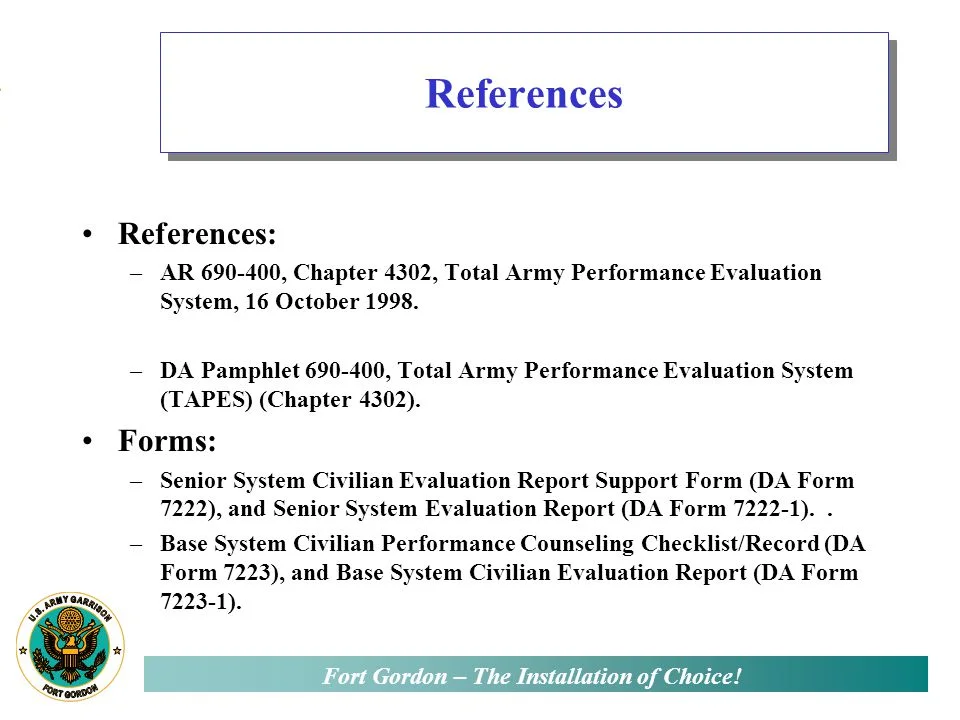
People managing broader Army administrative paperwork may find Army records guidance useful for understanding related personnel documents, although the site is informational and is not a substitute for NPRC or official Army instructions.
Send requests to address based on branch and service period shown on SF-180. Fax number listed on current form. Avoid making up. Online request at National Archives eVetRecs.
Compare Common Request Paths
Each route has the same basic goal, but the best choice depends on access to a printer, the urgency of the request, and how much supporting evidence the family has. Use the current SF-180 instructions because NPRC addresses and submission details can change.
| Request path |
Best use |
What to include |
Important limitation |
| eVetRecs |
Starting an online request |
Veteran details, requester information, purpose, and signature if required |
Some requests still require a printed and signed form |
| SF-180 by mail or fax |
A complete, documented request |
Form, proof of death, identification details, and signature |
Processing time can vary substantially |
| Written letter |
When the form is unavailable |
All identifying information, relationship, purpose, and signature |
Missing details may lead to follow-up delays |
| County or state veterans office |
Help with paperwork or benefits |
Death evidence and any service documents already held |
The office may need to refer the record request to NPRC |
| Funeral home or authorized representative |
Burial honors or estate matters |
Authorization, veteran details, and proof of death |
Authority must be documented clearly |
For an urgent funeral or memorial service, contact the funeral director and local veterans service office at the same time as submitting the NPRC request. They may know how to request military funeral honors or locate alternate proof of service while the official record search continues.
Handle Missing Or Damaged Records
Some Army personnel files were damaged or destroyed in the 1973 NPRC fire. If NPRC cannot locate the original DD-214, it may search alternative sources or issue a response explaining that the record requires reconstruction. This does not necessarily mean the veteran’s service cannot be verified.
Helpful substitute documents may include a separation certificate, discharge certificate, DD-4 enlistment document, award orders, military identification records, VA claims files, state discharge records, or copies kept by the veteran’s family. A county clerk may have a recorded discharge document if the veteran filed it locally after leaving service.
When the initial response is incomplete, review the explanation and submit a follow-up request with additional evidence. Include the NPRC reference number, a copy of the prior response, corrected identifying information, and a specific description of what is still needed.
Avoid Common Delays
Small omissions can cause a request to be returned or placed in a lengthy research queue. The requester should verify spelling, dates, service branch, Social Security number, and the veteran’s name at separation before sending the packet.
Use these practical steps:
- Attach clear proof of death and identify the requester’s relationship to the veteran.
- Request a complete DD-214 or equivalent separation document, not only a service verification letter.
- Provide every known name, service number, unit, date of birth, and separation date.
- State whether the record is needed for burial honors, benefits, employment, legal, or family purposes.
- Keep copies of the request, supporting documents, and any NPRC correspondence.
A response may take longer when the record is archival, incomplete, fire-damaged, or subject to privacy review. Avoid sending multiple identical requests before receiving a response, since duplicate submissions can complicate tracking.
Submit the request through the current eVetRecs system or the appropriate SF-180 mailing or fax instructions, and retain the confirmation or copy of the packet. If the search does not produce the DD-214, use the response to guide a follow-up request and contact a county veterans service officer for help assembling alternate proof of service.