How to Generate a Promotion Points Worksheet Using ACT
The Army Career Tracker (ACT) helps U.S. Army personnel review training, education, assignments and career development information. Soldiers often use it alongside their promotion points worksheet to identify missing achievements before a promotion board or monthly eligibility check.
For readers in Australia, the first distinction is important: ACT is a U.S. Army system, not the Australian Defence Force’s PMKeyS platform. An ADF member in Canberra, Brisbane or Perth should use the relevant Defence channels instead. This guide is intended for U.S. Army soldiers, families and veterans based in Australia, or anyone supporting U.S. Army administrative work from the local defence community.
A promotion points worksheet summarises the qualifying information held against a soldier’s record. It may include military training, awards, education, physical fitness results, weapons qualification and other promotion-related data. ACT can help locate career and training information, while the official points calculation may be completed through IPPS-A or the personnel office, depending on the soldier’s component and current Army procedures.
Screens and menu names can change after system updates, and access may depend on a Common Access Card, browser settings and account permissions. Treat the worksheet as an administrative record that needs checking, rather than assuming every figure displayed online is automatically correct.
Understand What ACT Can Provide
ACT, short for Army Career Tracker, brings together information about a soldier’s professional development. After signing in, users can generally review completed training, military schools, civilian education, credentials, assignments and career goals. These records can support a promotion points review, even when the final worksheet is produced elsewhere.
The system may also show incomplete or unverified items. A course can appear in a learning history without carrying the correct date, credit value or completion status. A soldier should compare the ACT record with certificates, training rosters, award documents and the latest personnel record before relying on it for a board packet.
Promotion rules vary by rank, military occupational specialty and component. Points for Sergeant and Staff Sergeant promotions may be calculated under different rules from other advancement processes. The current Army regulation, MILPER message and local S-1 guidance should take priority over an old screenshot or informal advice found online.
Sign In and Locate the Worksheet Tools
Use a supported browser and connect the CAC reader before opening the Army’s authentication page. A soldier working from Australia may need to account for local network restrictions, time-zone differences and help-desk operating hours in the United States. Defence-related workplaces in Canberra or Sydney may also apply stricter browser or USB policies than a personal computer.
After authentication, open the ACT dashboard and look for areas labelled around career development, training, goals, records or promotion. The exact navigation path can change. If ACT does not display a direct worksheet button, follow its link to the personnel or IPPS-A function that provides the current promotion points record.
Select the relevant record or promotion-related option, then allow the system to load the soldier’s latest data. Do not create a second profile or manually alter information simply to make the totals appear correct. If the data is wrong at source, the proper correction normally goes through the unit S-1, training manager, education office or human resources specialist.
Review Each Promotion Category Carefully
Read the worksheet from top to bottom and compare each category with supporting documents. Common areas include military education, civilian education, awards, decorations, weapons qualification, physical fitness, combat training and approved credentials. A missing course completion date can be just as significant as a missing course itself.
Check that names, dates and identification details are consistent across ACT, IPPS-A and the soldier’s official record. Australian-based personnel may hold qualifications from local institutions such as TAFE or an Australian university, but those credentials may need an Army-approved evaluation before receiving promotion credit. A local transcript or certificate alone may not be enough.
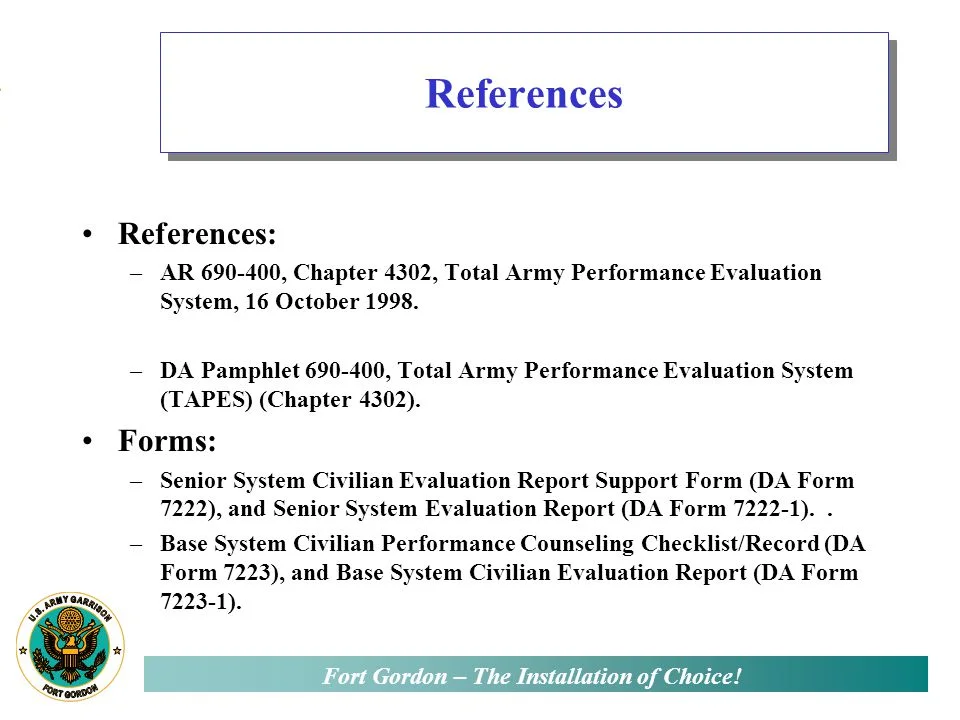
The same care applies to evaluation and assignment information. If an officer evaluation or another record appears incomplete, review the relevant evaluation support guidance and then contact the responsible administrative office. An evaluation error may affect a career record even when it does not directly change the points total shown on the worksheet.
Download or print a copy after reviewing the entries. Keep the file in a secure location, because it may contain personal service information. Avoid sending it through ordinary email or storing it in an unapproved cloud account, particularly when working from a shared computer in a public library, university or commercial office.
Correct Missing Data Before Using the Total
When a course, award or qualification is absent, gather evidence before opening a correction request. Useful documents can include graduation certificates, DA Forms, award orders, official transcripts, training completion records and approved test results. Ensure that scans are readable and that names match the soldier’s personnel record.
Raise discrepancies through the chain of support that owns the information. The unit S-1 may handle some personnel entries, while Army schools, the education centre or the appropriate records office may be responsible for others. ACT is a tracking and career-management tool; it is not always the authority that edits every promotion data field.
Review personal information as well as points. A spelling error in a surname, an incorrect middle name or a mismatch between identity records can delay corrections and create problems with future documents. Soldiers needing to address a name problem on a separation document can consult this DD-214 correction guide for background on the issue and possible administrative steps.
Allow time for updates to flow between systems. A correction submitted in Brisbane on a Friday may not appear in the relevant U.S. Army system until the responsible office processes it during its own business hours. Keep submission receipts, ticket numbers and copies of correspondence until the worksheet reflects the approved change.
Practical Checks Before Submission
Before providing the worksheet to a first sergeant, S-1 or promotion board representative, compare the displayed total with the current eligibility guidance. A promotion point worksheet can change when a fitness result expires, a qualification lapses or a revised Army policy takes effect. The date on the printout matters.
Use the following checks as a final administrative review:
- Confirm the name, rank, DOD identification information and component are correct.
- Match military courses and civilian education against official certificates or transcripts.
- Check awards, decorations and badges for accurate titles and effective dates.
- Verify weapons qualification and physical fitness entries against the latest authorised results.
- Save a dated PDF or printout and keep evidence for every disputed entry.
- Submit corrections through the responsible S-1, school, education office or personnel channel.
Once the record is accurate, use the worksheet according to local instructions rather than treating an ACT screen as final proof of eligibility. A recruiter, transition adviser or Army support organisation in the Australian employment market may ask for career evidence, but promotion points remain an internal U.S. Army administrative matter. Keep official records separate from documents prepared for civilian employers in Melbourne, Adelaide or elsewhere.