Finding Your iPERMS Record After Moving to the IRR
Moving from the Selected Reserve to the Individual Ready Reserve (IRR) can change how you access Army personnel systems. Your service record does not disappear when your status changes, but your sign-in route, permissions, contact details and record ownership may be different.
For soldiers living in Australia, the process can feel less straightforward because U.S. Army portals may use American time zones, CAC authentication and U.S.-specific identity services. The Australian Defence Force uses separate personnel systems, so an ADF account, myGov login or Medicare details will not provide access to an Army iPERMS file.
Understand what changes after an IRR transfer
iPERMS, the Interactive Personnel Electronic Records Management System, stores official documents such as evaluation reports, award certificates, orders, training records and separation paperwork. A transfer to the IRR generally changes your personnel status rather than deleting the documents already filed in your Army record.
Access can still be affected by the loss of a unit administrator, a new assignment relationship or an inactive CAC. Your record may also contain documents uploaded shortly before the transfer that have not yet completed quality control. This is why an apparently empty or incomplete file does not necessarily mean that records were lost.
Check the effective date of the IRR transfer on your orders. That date helps Army personnel staff determine which unit, regional office or records-management team should handle your request.
Use the correct Army access route
Start with the Army’s current iPERMS login page or the official Army human resources portal, using a compatible browser and an active Common Access Card where required. If you are in Brisbane, Sydney or Melbourne, remember that U.S. maintenance windows may occur during Australian daytime or overnight hours.
A CAC reader, middleware and valid certificates may be necessary on a personal computer. Avoid installing certificates or browser extensions from unofficial websites. If your CAC has expired, your card reader is not recognised or your certificates fail validation, solve that authentication problem before treating the issue as a missing-record problem.
Some former or reserve personnel may have access through an approved non-CAC identity method, but availability depends on their status and the system’s current rules. Do not assume that a personal email address, an ADF smartcard or a myGov identity can substitute for Army authentication.
Confirm your identity and personnel details
Have your full legal name, former unit, component, rank, dates of service, DoD ID number and IRR transfer orders ready. If your name changed through marriage or another legal process, include the previous name used on older evaluations and awards.
Your Army records may still display an old U.S. mailing address even if you now live in Perth or Canberra. Update contact information through the appropriate Army channel, but do not send identity documents to an unverified email address. The Australian Privacy Act 1988 applies to many organisations operating in Australia, yet it does not replace the U.S. Army’s identity-verification requirements for federal personnel records.
Before requesting corrections, compare iPERMS with your own secure copies. A document can appear under an unexpected category or filing date. Personnel who are checking promotion eligibility may also find it useful to review this promotion points worksheet guidance alongside their record.
Documents worth checking first
- DD-214 or other separation documents
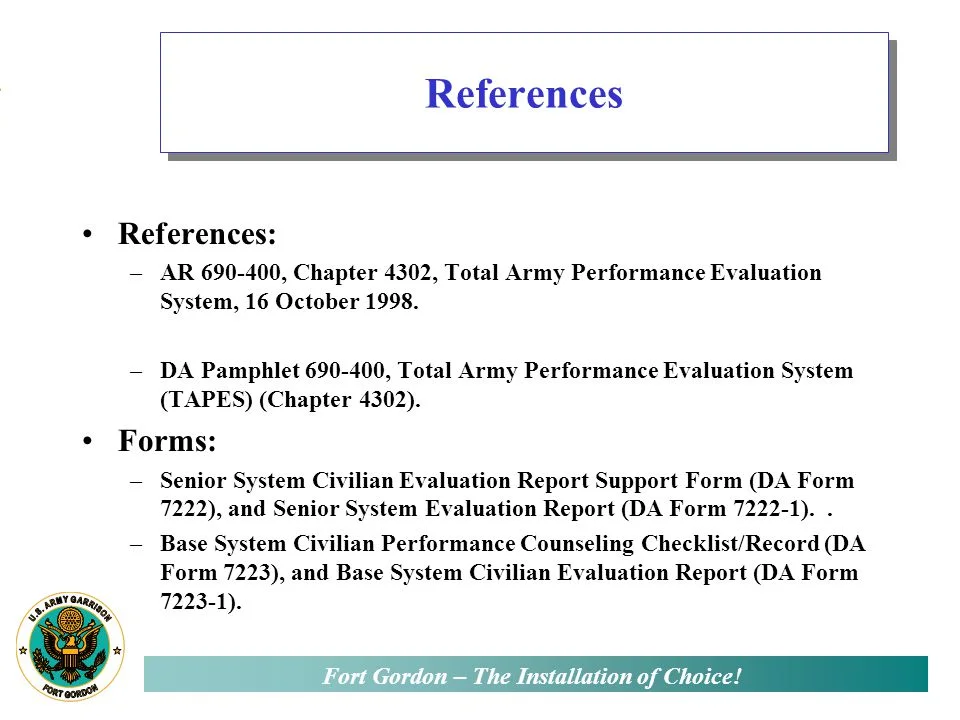
- NCOERs, OERs and AERs
- Awards, decorations and certificates
- Training, qualification and school records
- Orders showing the transfer to the IRR
- Medical or administrative documents that were officially filed
Search by record category and date
Once signed in, review the document index instead of relying only on a broad search. Look for categories connected with evaluations, performance, awards, military education, orders and separation. Use the document date, issuing organisation and title to distinguish duplicates from missing items.
NCOERs and OERs may be filed under different labels depending on the reporting period and record type. An evaluation that was signed by the rating chain may still be waiting for processing, while an older report may be present in a scanned image that is difficult to read.
Keep a private inventory showing the document title, date, category and whether the image opens correctly. Store downloaded copies in an encrypted location rather than leaving sensitive personnel files in a shared computer folder or an ordinary public cloud account.
Request help when the file is incomplete
If a document is missing, contact the personnel-support channel responsible for your current status. Explain that you transferred to the IRR, identify the missing document and provide the relevant order number or reporting period. A concise request is easier to route than a general message saying that the entire record is unavailable.
The appropriate office may ask for a readable copy of the document, proof of identity or evidence that it was previously approved. Send only what is requested through a verified Army channel. Australian mobile plans and email services can make large attachments convenient, but file size and security rules may still limit what the recipient can accept.
For broader background on Army administrative records, the site’s records guidance can help explain related personnel processes. It is general information, not an official Army records office, so official instructions and authenticated Army portals take priority.
Details to include in a records request
- Full name and former names
- DoD ID or other requested identifier
- Current IRR status and effective transfer date
- Missing document type and approximate date
- Former unit or command
- Secure contact details and preferred time zone
Protect the record after you regain access
After locating the file, open several documents rather than assuming every entry is usable. Check that pages are complete, signatures and dates are visible, and the document belongs to you. An evaluation with a missing page or an unreadable award citation may need a correction request even though it appears in the index.
Save a controlled personal copy with clear filenames, such as the document type and date. Avoid storing records on a work laptop used by an Australian employer or on a family device. Data minimisation is sensible in any country, especially when documents contain service numbers, addresses, evaluations or medical information.
If an evaluation is relevant to a promotion or career review, understand its context before relying on it. Guidance on an OER senior rater profile can help explain why an evaluation record may require careful reading rather than a quick visual check. A complete iPERMS file is valuable, but the record’s meaning still depends on the applicable Army policy and personnel status.