How to Correct a Discharge Status on Your DD-214
A DD-214 is one of the most important documents in a service member’s military record. It summarizes active service, including the separation date, character of service, narrative reason for separation, separation code, and reentry eligibility information. An incorrect entry can affect veterans’ benefits, employment, education, and future military service.
Correcting a discharge status on a DD-214 requires identifying the type of error and sending the request to the right Army authority. Some mistakes can be fixed through an administrative records correction, while others require review of the discharge decision itself.
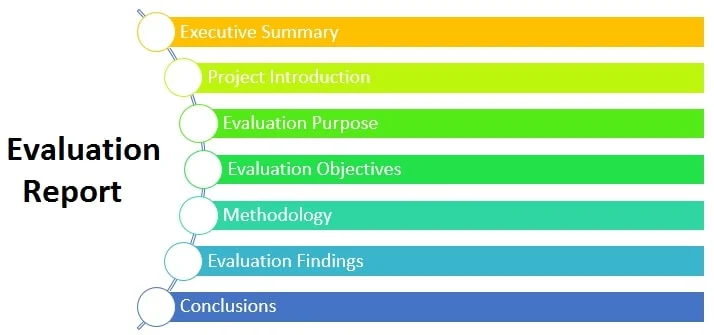
The process is separate from updating performance documents such as NCOERs and OERs. Personnel managing multiple records may find an evaluation records guide useful when checking whether other entries in the official file also need attention.
What the discharge entry means
The character of service generally appears as Honorable, General (Under Honorable Conditions), Other Than Honorable Conditions, or Uncharacterized. This entry is different from the narrative reason for separation, separation authority, separation code, and RE code. A veteran may need to challenge one field without disputing every part of the DD-214.
An RE code affects eligibility to reenlist, but it is not the same as the character of discharge. Likewise, a VA determination about benefits does not automatically change the Army’s discharge characterization. The requested correction should identify the exact field that is inaccurate and explain why the existing entry is wrong or unjust.
Review the DD-214 and supporting records
Begin with the member’s copy of the DD-214 and compare it with other documents from the separation period. Useful records may include separation orders, counseling statements, medical evaluations, administrative separation paperwork, court-martial documents, award certificates, deployment records, and correspondence from the chain of command.
Check names, dates, pay grade, service periods, awards, lost time, separation authority, narrative reason, and character of service. A clerical error, such as a wrong date or omitted award, may require a different remedy from a request to upgrade an Other Than Honorable discharge.
A complete military personnel file can help establish the timeline. Current and former service members should review available records in iPERMS or request copies through the appropriate Army records channel. Keep copies of everything submitted, including the original DD-214 and any later DD-215 issued to correct it.
Choose the correct correction path
The first question is whether the problem is an administrative error or a disputed discharge decision. An administrative correction may be appropriate when the record contains a factual mistake that can be verified with official documents. A discharge review is generally needed when the applicant wants to change the character, reason, or circumstances of the separation.
| Record problem |
Common review option |
Typical filing document |
Main purpose |
| Wrong date, award, grade, or service data |
Administrative records correction |
Written request with evidence |
Correct a factual or clerical mistake |
| Disputed character of service |
Army Discharge Review Board |
DD Form 293 |
Review the fairness or propriety of the discharge |
| Older discharge or broader military-record issue |
Army Board for Correction of Military Records |
DD Form 149 |
Request correction of an error or injustice |
| Incorrect reenlistment code |
Appropriate records review authority |
DD Form 149 or related request |
Seek correction of the RE code with supporting facts |
| Correction already approved but not reflected |
Records update request |
Copy of board decision or correction document |
Ensure the personnel record and DD-214 match |
The Army Discharge Review Board generally reviews discharges issued within its statutory period, commonly 15 years from the date of separation. The Army Board for Correction of Military Records can consider older cases and broader requests, although filing deadlines and waiver rules apply. Applicants should verify current instructions and mailing or electronic submission requirements before filing.
Build a persuasive correction request
A strong application is specific, chronological, and supported by evidence. State the exact DD-214 block or entry at issue, describe the requested correction, and explain how the existing information is inaccurate, unjust, or inconsistent with the service record. Avoid broad statements that do not connect the requested change to documents or events.
Evidence may include medical records, witness statements, awards, command correspondence, personnel evaluations, and proof of post-service conduct. If the case involves mental health, sexual trauma, combat exposure, harassment, or other mitigating circumstances, explain how those factors affected the events leading to separation and provide relevant documentation.
The record should remain professional and factual. For broader military administrative writing, guidance on writing strong evaluation bullets can help demonstrate the value of concise, evidence-based statements, although an NCOER correction and a discharge review are separate processes.
Submit the application through the right board
Use DD Form 293 when seeking review by the Army Discharge Review Board, if the case falls within that board’s authority. Use DD Form 149 for the Army Board for Correction of Military Records when requesting correction of a broader military record or when the discharge review period has passed. The forms require identifying information, the requested relief, reasons for the request, and supporting evidence.
Read each form’s current instructions carefully. Sign the application, include legible copies, and organize attachments with labels or page numbers. Keep the explanation focused instead of sending an unorganized collection of records. If representation is used, an accredited veterans service organization, attorney, or qualified military records counselor may help prepare the submission.
The board may decide the case from the written record, request additional information, or offer a personal appearance when permitted. A personal appearance is not guaranteed, and the written application remains important. Never send original documents unless the instructions specifically require them.
Avoid common delays and mistakes
Applicants often request a discharge upgrade when the real problem is a missing award, incorrect separation date, or inaccurate RE code. Separating these issues makes the request easier to evaluate. It may be possible to ask for alternative relief, such as correcting the narrative reason or separation code if a full upgrade is not granted.
Common problems include missing signatures, vague explanations, duplicate submissions, unsupported allegations, and failure to address an unfavorable document already in the record. A request should acknowledge difficult facts when necessary and explain any mitigating circumstances with evidence rather than relying on general statements about good post-service conduct.
Use these practical steps before submitting:
- Obtain and review the complete available military record.
- Identify each incorrect DD-214 entry separately.
- Gather official documents and concise witness statements.
- Select DD Form 293 or DD Form 149 based on the type and age of the case.
- Keep a complete copy of the application and proof of submission.
What happens after approval
If a correction is granted, the Army may issue a DD-215 or another official record update rather than replacing the original DD-214. Review the corrected document carefully for spelling, dates, character of service, narrative reason, codes, and awards.
After the record is updated, provide the corrected document to organizations that relied on the old version, such as the Department of Veterans Affairs, employers, schools, or state agencies. Some benefits decisions may require a separate application even after the military record changes.
Start by obtaining the complete record, identifying the precise discharge entry in dispute, and matching the evidence to the appropriate review board. A careful, document-based submission gives the correction authority a clear basis for deciding whether the DD-214 should be amended.