How to Appeal a non-selected NCOER average score
A low NCOER average can weigh heavily on an NCO promotion file, yet a non-selection notice does not prove the report contains a scoring error. The average may be one factor among the board’s assessment of experience, performance, potential and promotion points. The strongest challenge identifies a measurable record or calculation problem.
A promotion decision and the evaluation behind it are reviewed through different channels. An NCOER appeal challenges the content or score of an evaluation. A promotion rebuttal responds to non-selection under the board’s rules. A soldier may need both, but one process does not automatically suspend the deadline for the other.
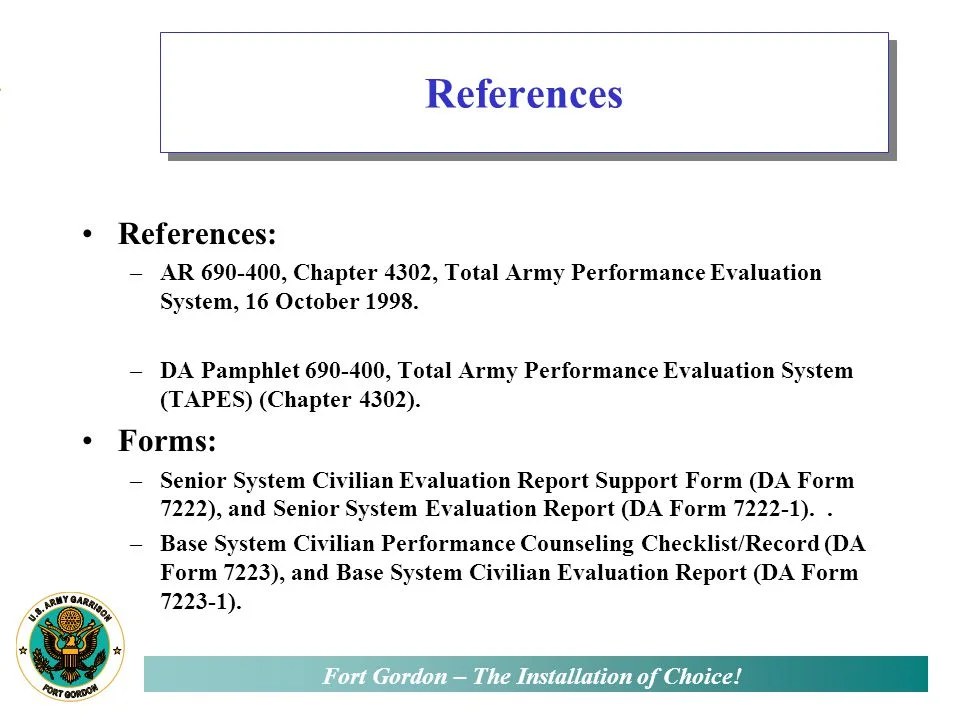
Use the controlling sources: Army Regulation 623-25, the current DA PAM 611-21, unit promotion instructions and the notices issued for the board. These materials change, particularly where scoring and filing windows are concerned.
For personnel based in Australia, U.S. Army law and Army administrative channels remain controlling. Local time zones, public holidays, postal practices and privacy legislation can affect handling, but they do not create a new appeal route or extend a military deadline.
Separate the score from the selection decision
Check the NCOER average in iPERMS against the report’s prescribed components and the periods counted for that cycle. Confirm that the board used the same report, calculation and coded position. A correct score can still lead to non-selection, while an incorrect score should be corrected even if other factors also affected the result.
Choose the remedy that matches the defect. An arithmetic error or unsupported entry calls for an NCOER correction or appeal. A missing performance fact may belong in a letter of correction and promotion rebuttal. A claim that the board applied the records differently belongs in the board’s response process.
Verify the report and calculation
Obtain the official NCOER, including every page, and compare duty periods, position titles, value codes, component scores, comments and signatures. Ask the S1 or promotion office to trace the average used by the board and identify whether any report was excluded, adjusted or substituted.
A rater profile can reveal recurrent patterns across evaluations, but a pattern alone does not prove that a particular report is wrong. A rater profile overview can help a soldier decide whether to seek a wider review; the claim still needs document-level evidence.
Prepare a short discrepancy schedule showing the official entry, supporting evidence, applicable instruction and effect on the promotion file. Separate demonstrable errors from opinions. If no source supports the alleged error, an appeal may have little practical weight.
Build a focused evidence packet
Start with the required appeal form, disputed NCOER, board notice, signed statement and the smallest set of evidence that proves the issue. State the requested change plainly: correct a component, remove an unsupported statement or recalculate the average. Relevance is stronger than volume.
Use reliable records: orders, unit logs, training documents, performance awards, task returns and dated letters. Identify each item and how it supports the correction. Keep originals and a clean electronic set so a reviewer can verify the source.
Character evidence may also be relevant, but a petition is not official evidence merely because it is sincere. The example petition wording reflects a different religious tradition; such material should not replace the Army’s required form, factual statement and records.
File through the correct channel
An NCOER appeal proceeds under AR 623-25 to the appeal authority named in the current regulation. Use DA Form 4187 when required, attach the relevant report and submit through the authorised personnel channel. The usual filing period is two years from the NCOER, with special handling near separation or retirement; anyone outside that period should seek prompt guidance.
If the rater is deployed or unable to sign, obtain written instructions on an authorised substitute rather than waiting. The practical rater deployment guidance explains the handling issue, but a deployment does not pause the soldier’s own appeal deadline.
Handle non-selection separately. A rebuttal, letter of correction or higher-level response must follow the promotion notice and current DA PAM 611-21. Board instructions often allow a short period, such as 30 calendar days, for a non-selection response; the actual notice controls. File a correction before the board if the rules permit it, and do not contact individual board members.
Handle Australian logistics carefully
A deadline can arrive at an awkward hour because U.S. boards and Australian units operate in different time zones. Brisbane normally uses Australian Eastern Standard Time, while Sydney and Melbourne shift during daylight saving. Convert the cut-off, record both time zones and allow a margin.
Australia Post and commercial couriers add transit time, while public holidays and business hours affect delivery options. Many Australian offices work electronically, but confirm whether the Army requires an original, wet signature or portal upload. Retain proof of delivery and submission.
The Privacy Act 1988 may apply to an Australian organisation storing the packet, but it does not displace U.S. Army personnel rules or create an Army appeal right. If a local affidavit is accepted, check whether an Australian notary public or Justice of the Peace can witness it and whether an apostille is required. Australian Army ranks do not map automatically onto U.S. Army equivalents, so use U.S. codes on every form.
Request further review when allowed
If the first decision is denied, read its reasons and the deadline for the next level. Where higher-level review is available, focus the request on a factual error, relevant evidence and the change required. Repeating that the board should have selected the soldier is not a substitute for showing an error.
Use an Inspector General, legal or command channel for suspected fraud, retaliation or a clear procedural violation when ordinary review cannot address it. Keep that claim separate from disagreement with scoring judgement, and preserve evidence of altered records or conflicts of interest.
Keep the record audit-ready
A concise covering statement can state what the record says, what the evidence shows, which instruction applies, how the issue affected the average or selection, and what remedy is requested. Number the supporting documents and quote only the words needed.
Submit early enough to obtain acknowledgment, track requests for further information and preserve the final decision. A complete, timely record gives the score and promotion file the best chance of being reviewed on their merits.