DD-214 Corrections: How to Fix Errors in Your Separation Document
The DD Form 214 is one of the most important records issued when a service member leaves active duty. It verifies military service, dates of service, character of discharge, awards, occupational specialties, education, and the reason for separation. Errors on this document can affect VA benefits, employment, retirement credit, education programs, and future military records.
A correction request should begin with a careful comparison between the DD-214 and supporting documents. The right office depends on whether the mistake is an obvious administrative error, a missing award or qualification, or a disputed discharge-related entry. Keeping the request focused and well documented can make the review more efficient.
Review Every Block Before Filing
Obtain the most complete copy of the separation document available and inspect each entry. Common problems include incorrect entry or separation dates, missing deployments, inaccurate rank, omitted awards, wrong military occupational specialty, incomplete foreign service, and mistakes in the narrative reason for separation.
Pay special attention to the character of service, separation code, reenlistment eligibility code, and separation authority. These entries may have significant consequences, but they are not always corrected through the same process as a typographical error. Compare the DD-214 with official orders, award certificates, evaluation records, deployment documentation, and personnel files.
If the error is discovered before the final separation appointment, notify the installation transition assistance or separation office immediately. A correction made before the document is finalized is usually simpler than requesting an amendment years later.
Determine Which Correction Path Applies
A clear administrative mistake may be handled through a DD Form 215, Correction to DD Form 214, Certificate of Release or Discharge from Active Duty. The correction document is issued to amend specific information on the original DD-214. Examples can include an omitted decoration, an incorrect date, or a missing service entry supported by official records.
Former service members should generally start with the Army personnel or records office that can verify the underlying information. The National Archives, the Department of Veterans Affairs, or a military records custodian may help locate records, but they do not all have authority to change every DD-214 entry. The responsible Army office may vary based on the type of correction and the age of the record.
When the requested change involves a disputed matter, a denied administrative correction, or an issue that requires a formal decision, the Army Board for Correction of Military Records may be appropriate. A DD Form 149 is commonly used to ask the board to correct an error or remove an injustice from an Army record.
Build Evidence That Supports the Request
A persuasive packet explains exactly what is wrong, what the entry should say, and why the attached evidence proves the requested change. Avoid sending a large collection of unrelated records without identifying the relevant pages. A short chronology can help reviewers understand the service member’s assignments, deployments, awards, and separation timeline.
Useful evidence may include permanent orders, award certificates, deployment orders, travel vouchers, official memoranda, medical documentation, performance records, sworn statements, and correspondence from military offices. For a name or date issue, civil documents may be relevant, but official military records are usually more persuasive when they directly address the disputed entry.
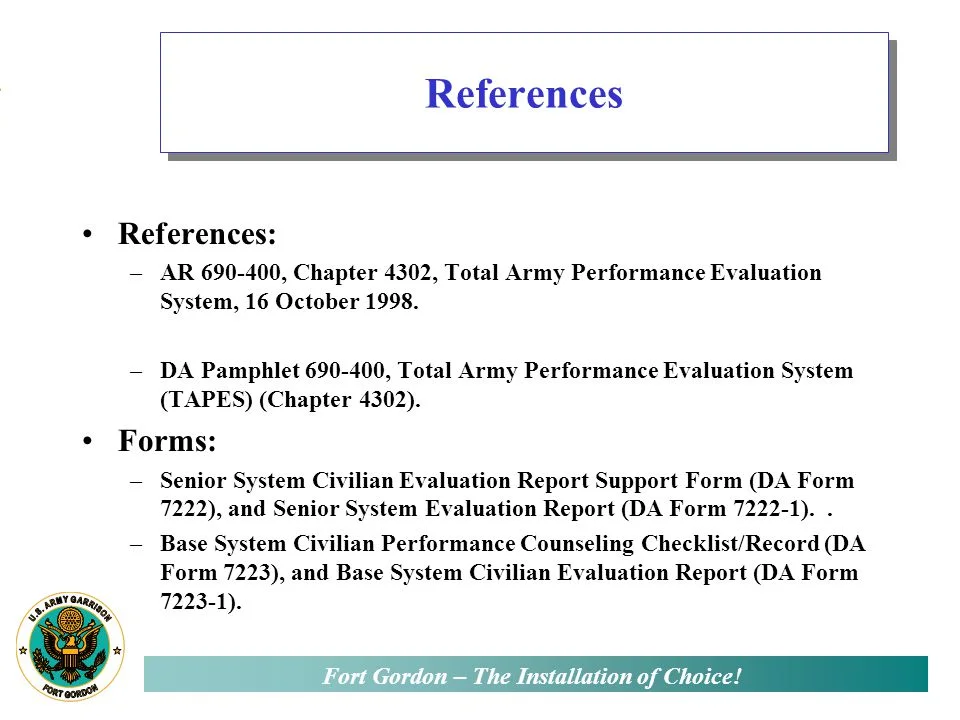
Personnel administration can involve several connected documents, so reviewing broader Army administrative guides may help clarify terminology and identify records that could support a correction. Do not alter the original DD-214 or submit questionable documents. Preserve the original file and label copies clearly.
Compare the Main Options
The best route depends on the nature of the error, the available proof, and whether the requested relief concerns an administrative detail or the circumstances of separation.
| Situation |
Typical route |
Helpful evidence |
Likely result |
| Typographical or administrative mistake found before separation |
Transition or separation office |
Official personnel record, orders, identity documents |
Corrected DD-214 before issuance |
| Missing award, service, or qualification |
Records custodian or Army correction channel |
Permanent orders, award certificate, deployment record |
DD Form 215 or other record update |
| Disputed entry or denied administrative request |
Army Board for Correction of Military Records |
DD Form 149, records, statements, supporting argument |
Board decision granting or denying relief |
| Request to change discharge characterization |
Army Discharge Review Board or correction board, depending on circumstances |
DD Form 293 or DD Form 149, service and post-service evidence |
Possible discharge review or record correction |
| Lost or damaged separation document |
Records repository or authorized records request process |
Identity and service information |
Replacement copy, not necessarily a correction |
A replacement copy is different from a correction. Ordering another copy can confirm what the government currently has on file, but it will not fix an inaccurate entry. Requesting a replacement first may still be useful when the veteran is unsure whether the error appears on every available version.
Submit a Focused Board Application
The Army Board for Correction of Military Records generally expects applicants to explain the error or injustice and provide relevant supporting material. The application should identify the exact relief requested, such as adding a specific award, correcting a service date, or changing a particular record entry. Broad requests with unclear wording can make the issue harder to evaluate.
There is generally a three-year filing period from the date the applicant discovered, or reasonably should have discovered, the alleged error or injustice. The board can waive that limitation when it finds doing so is in the interest of justice, but applicants should not rely on a waiver. File promptly and explain any delay when relevant.
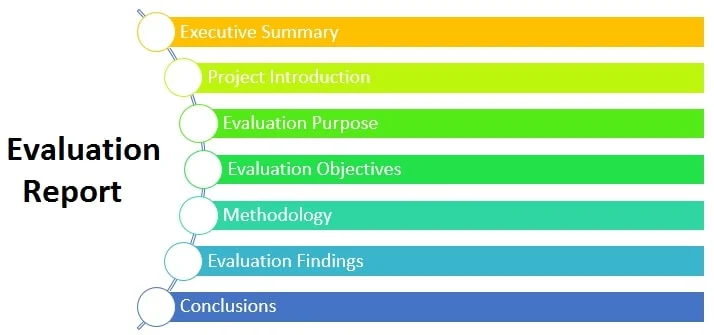
A correction request should remain factual and professional. If the issue concerns an evaluation, personnel action, or another administrative record connected to separation, related military processes may provide useful context; resources such as NCOER guidance can help explain how evaluation records fit into a personnel file.
Know When Discharge Review Is Different
A request to correct a factual mistake is not the same as a request to upgrade a discharge. The Army Discharge Review Board may review certain discharges and normally uses DD Form 293. The Army Board for Correction of Military Records uses DD Form 149 and has broader correction authority, although the appropriate forum depends on the requested relief and the facts.
Changes to the narrative reason for separation, separation code, reenlistment code, or character of service may require a detailed review of the circumstances surrounding discharge. Applicants should state whether they are seeking an administrative correction, a discharge upgrade, or both, and should provide evidence supporting each form of relief.
Prepare a Strong Correction Packet
- Make a copy of the DD-214 and highlight each disputed entry.
- State the exact correction requested in plain, specific language.
- Attach official documents that directly support each requested change.
- Include a short timeline and explain any delay in filing.
- Keep proof of submission and protect personal identifiers in every copy.
Once the request is submitted, keep the original documents in a secure location and monitor correspondence from the reviewing office. Processing times vary, and an office may request additional information. Responding within the stated deadline helps prevent an otherwise supportable application from being closed for lack of evidence.
A corrected DD-214 or DD Form 215 should be shared with the VA, state veterans agency, employer, school, or other organization only when necessary. After receiving a decision, compare the amended information with your personnel and benefits records so that the same error does not continue in another system. Start by gathering your separation document and strongest official evidence, then send the request through the channel that matches the specific correction.